Pittosporum, Genus, multiflorum, Species,
- Genus & species
orange thorn
Overview
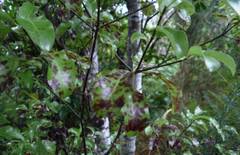
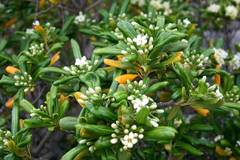
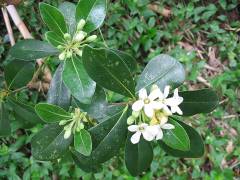
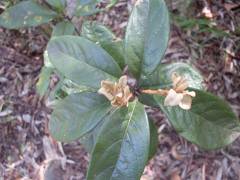
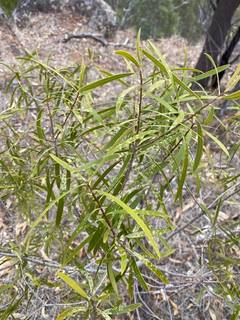
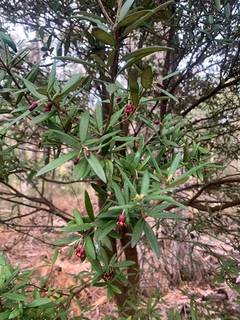
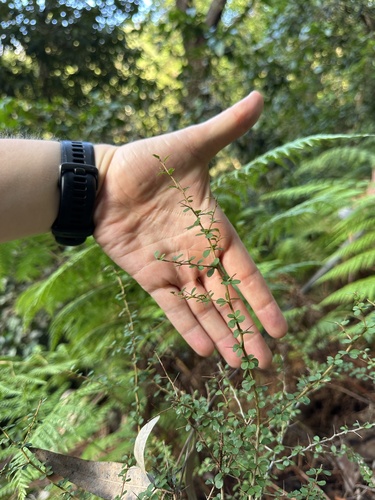
Pittosporum multiflorum is an evergreen shrub in the Pittosporaceae reaching 3-10 feet (0.9-3 m) tall and 3-6 feet (0.9-1.8 m) wide, with a dense, intricately branched habit and rigid spine-tipped branchlets. Leaves are small, oblong to wedge-shaped, 0.4-1.2 inches (1-3 cm) long, glossy dark green with a notched or toothed tip, crowded along the stems. Small cream to pale yellow flowers 0.2-0.3 inch (5-8 mm) across appear singly or in small clusters in spring, followed by round orange berries 0.3-0.6 inch (8-15 mm) across that ripen in autumn and split to reveal sticky seeds. The spiny branches form a dense thorny thicket. Growth is slow to moderate. The plant grows in shaded understorey conditions and tolerates dry shade once established. Sharp spines make the shrub difficult to handle and prune.
Native Range
Native to eastern Australia, from Queensland through New South Wales to eastern Victoria. Grows in and along the margins of rainforest and moist eucalypt forest, in the shaded understorey on fertile, well-drained soils.Suggested Uses
Planted as a dense barrier or hedge and in shaded understorey and habitat plantings, spaced 3-5 feet (0.9-1.5 m) apart. The spiny growth is used as a screening and security planting. Berries are eaten by fruit-eating birds.How to Identify
Appearance
Size & Dimensions
Height3' - 10'
Width/Spread3' - 6'
Colors
Bloom Information
Flowers in spring, roughly September to November, with small cream flowers opening over several weeks. The flowers are followed by orange berries that ripen through autumn and persist into winter. Flowering is light in deep shade.
Detailed Descriptions
Flower Description
Cream to pale yellowFoliage Description
Dark greenGrowing Conditions
Sun Requirements
Requires 2-6 hours of direct sunlight daily
• Full Sun: 6+ hours of direct sunlight
• Partial Shade: 3-6 hours of direct sunlight
• Full Shade: Less than 3 hours of direct sunlight
Care & Maintenance
Care Guide
Grows in part to full shade in moist, fertile, well-drained soil, and tolerates dry shade once established. Water through the first year to establish; mature plants withstand short dry periods. The dense spiny growth needs room, as the branches catch on passers-by. Pruning is awkward because of the sharp spines. Few pests trouble the plant, and birds eat the berries and spread the seed.Pruning
Prune lightly in late winter to shape and contain the dense growth; the spines make the work slow. The shrub reshoots from older wood after cutting. Removing lower branches raises the canopy but reduces its density as a barrier planting.Pruning Schedule
Prune: July–August
winter
Container Growing
Suitable for container growing
Minimum container size: 7 gallons