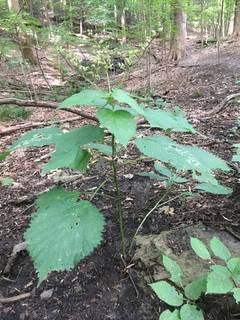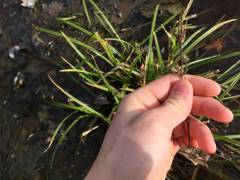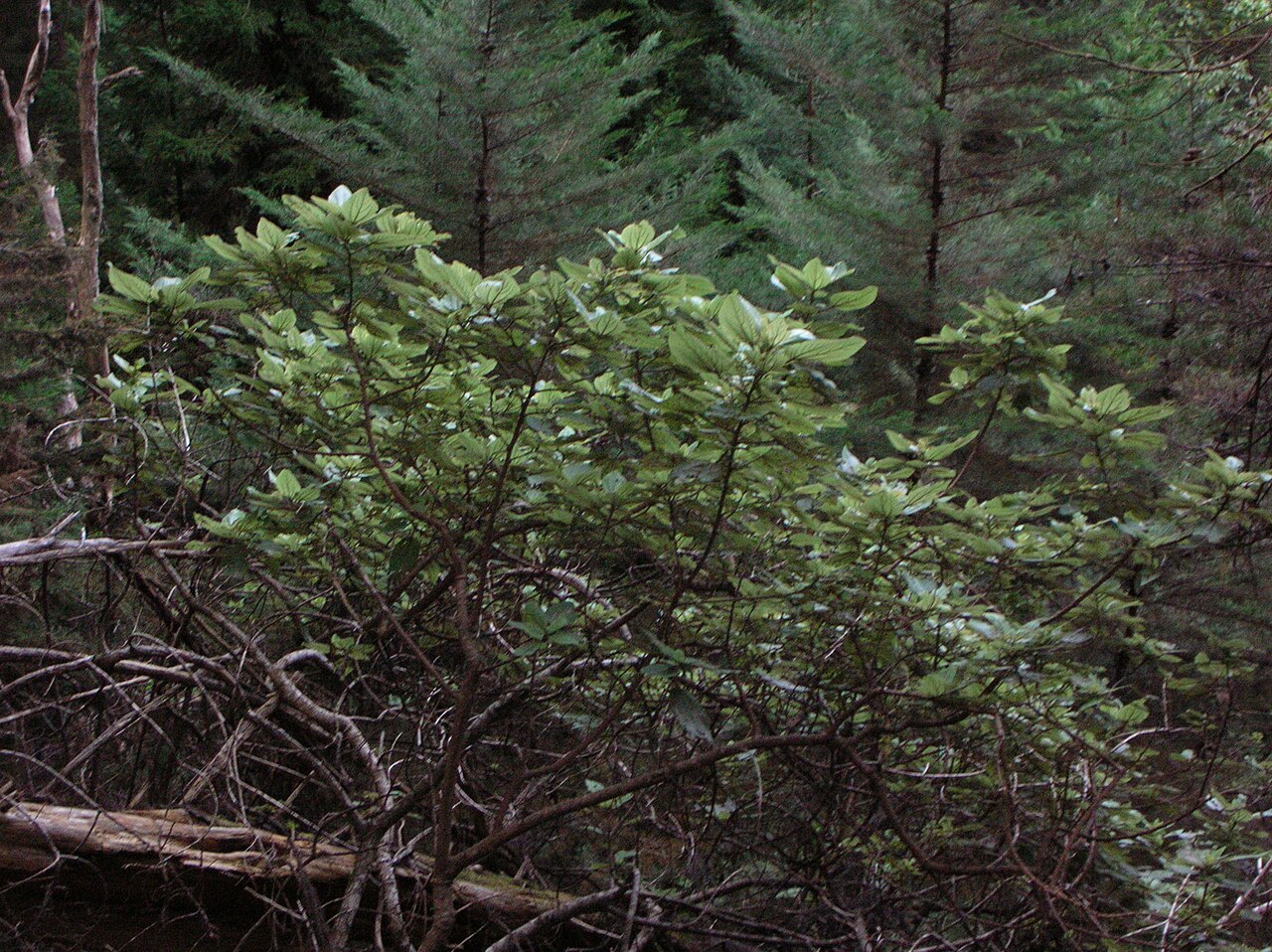
Pipturus, Genus, albidus, Species,
- Genus & species
Mamaki
Overview
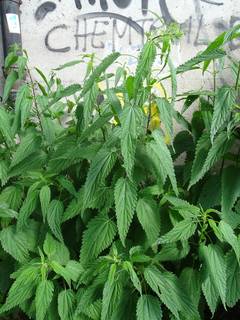
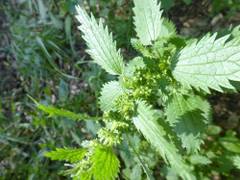
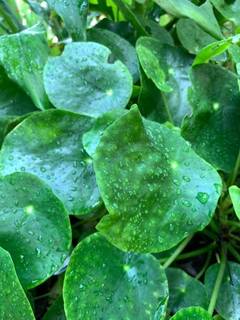
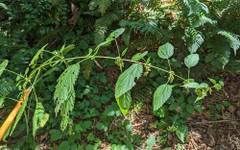
Pipturus albidus is an evergreen shrub or small tree in the Urticaceae, reaching 6-20 feet (1.8-6 m) tall and 6-12 feet (1.8-3.7 m) wide, occasionally forming a single-trunked tree to 30 feet (9 m) with a trunk 8 inches (20 cm) across. The plant carries no stinging hairs, in contrast with most members of the nettle family. Leaves are alternate, ovate, 3-8 inches (7.5-20 cm) long, with toothed margins and three veins running from the leaf base; the upper surface is dark green and the underside is densely white-woolly, while petioles and main veins are frequently flushed red or pink. Flowers are unisexual, greenish-white, under 0.1 inch (2 mm) across, and packed into dense clusters along the stems at leaf axils. Fruit is a white fleshy aggregate 0.2-0.4 inch (5-10 mm) across holding many seeds under 0.04 inch (1 mm) long. Stem growth runs 24-48 inches (60-120 cm) per year on young plants, and seedlings fruit within 2-3 years. Bark peels in fibrous strips. Plants defoliate during droughts longer than 3-4 weeks, take 6-8 weeks to releaf, and show leaf burn on sites exposed to salt spray.
Native Range
Endemic to the Hawaiian Islands, present on Kauai, Oahu, Molokai, Lanai, Maui, and Hawaii Island. It grows in mesic and wet forest, along stream banks, and in disturbed gulches from near sea level to about 6,000 feet (1,830 m). Populations are concentrated between 1,000 and 4,000 feet (300-1,220 m) on windward slopes.Suggested Uses
Planted in native Hawaiian gardens, restoration sites, and butterfly gardens at 8-10 foot (2.4-3 m) spacing, where it acts as the larval host for the Kamehameha butterfly, Vanessa tameamea. Leaves are dried for mamaki tea and the fibrous bark is processed into kapa cloth. Container culture succeeds in pots of 10 gallons (38 L) or larger, with plants held at 4-6 feet (1.2-1.8 m) by annual cutting back.How to Identify
Appearance
Size & Dimensions
Height6' - 20'
Width/Spread6' - 12'
Bloom Information
Flowering peaks from March through October, with scattered flowers in other months on plants below 2,000 feet (610 m). Male and female flowers occur on separate plants, so only female plants carry the white fruit. Fruit ripens 4-8 weeks after flowering, and flowers and ripe fruit commonly occupy the same stem. Cool wet winters above 4,000 feet (1,220 m) suspend flowering for 6-10 weeks.
Detailed Descriptions
Foliage Description
dark green above, white-woolly beneath, veins red to pinkGrowing Conditions
Sun Requirements
Requires 3-8 hours of direct sunlight daily
• Full Sun: 6+ hours of direct sunlight
• Partial Shade: 3-6 hours of direct sunlight
• Full Shade: Less than 3 hours of direct sunlight
Care & Maintenance
Care Guide
Plants grow from seed or from 4-6 inch (10-15 cm) softwood cuttings and reach 3 feet (90 cm) within a year under regular irrigation. Water two to three times weekly through the first year, then weekly; leaves wilt and drop after 3-4 weeks without water, and regrowth takes 6-8 weeks. Soil should hold moisture while draining freely, at pH 5.0-6.5 with 30-40 percent organic matter. Chinese rose beetles skeletonize leaves at night from April through September, removing 40-60 percent of leaf area on plants in sheltered positions. Sooty mould forms on foliage below aphid and scale colonies. Lifespan in cultivation runs 10-15 years, after which stems thin and are replaced by seedlings or coppice shoots.Pruning
Stems are cut back in late winter or early spring, taking up to one third of the canopy; cut stems resprout from dormant buds within 4-6 weeks. Plants coppiced to 12 inches (30 cm) regenerate a full canopy in 12-18 months. Leaves harvested for tea come from the current season growth, and repeated stripping of all foliage halves stem extension in the following season. Dead lower branches are removed at the trunk as the canopy rises.Pruning Schedule
Prune: February–March
late springearly spring
Container Growing
Suitable for container growing
Minimum container size: 10 gallons