Pinus, Genus, strobus, Species, 'Nana', Cultivar,
- Genus & species
- Cultivar
dwarf white pine
Eastern North America — Newfoundland to Georgia and Manitoba to Iowa; mixed coniferous-deciduous forests at low to moderate elevations
Overview
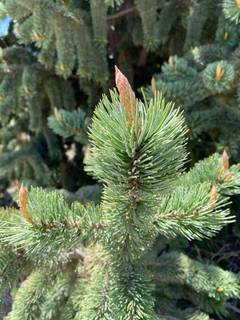
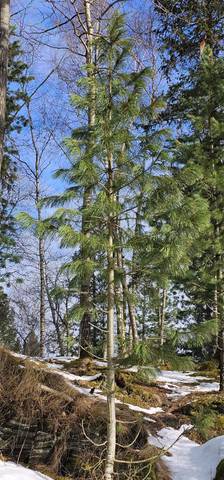
Pinus strobus 'Nana' is dwarf white pine (dwarf eastern white pine), a mounding evergreen conifer growing 3-5 feet (0.9-1.5 m) tall and 4-6 feet (1.2-1.8 m) wide. Soft blue-green needles 2.5-4 inches (6-10 cm) in fascicles of 5 — the only northeastern North American native pine with 5-needle fascicles. Yellow pollen strobili in May-June. In Pinaceae. Strobus = ancient name for an aromatic gum-yielding tree. The species (eastern white pine) is native to eastern North America and was historically used for Royal Navy ship masts in the colonial era. Susceptible to white pine blister rust (Cronartium ribicola) — an introduced fungal disease requiring Ribes (currants/gooseberries) as alternate host. This blister rust susceptibility is the primary disease limitation. Also susceptible to white pine weevil. Acid soil required (pH 4.5-6.5). Pinch candles in late spring to control size. Slow-growing — 15-25 years to mature. Non-toxic. Zones 3-8. Part sun to full sun. Growth rate is slow.
Native Range
Native to eastern North America — Newfoundland to Georgia and Manitoba to Iowa. Found in mixed coniferous-deciduous forests at low to moderate elevations.Suggested Uses
Grown as a dwarf evergreen accent in mixed conifer beds, foundation plantings, rock gardens, and in containers of at least 10 gallons (38 L), spaced 4-6 feet (1.2-1.8 m). Soft blue-green foliage. Slow-growing. Non-toxic. Zones 3-8.How to Identify
Appearance
Size & Dimensions
Height3' - 5'
Width/Spread4' - 6'
Colors
Bloom Information
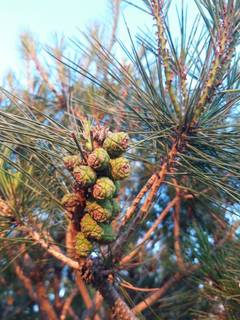
Late spring (May-June). Yellow male pollen strobili 0.4 inch (10 mm) at branch tips. 2 weeks. Wind-pollinated. Coniferous reproduction (cones, not flowers).
Detailed Descriptions
Flower Description
Yellow male strobili (pollen cones) 0.4 inch (10 mm) in clusters at branch tips; May-June; female cones develop into the cylindrical 4-8 inch (10-20 cm) long pendulous cones characteristic of white pine — coniferous reproduction, not flowersFoliage Description
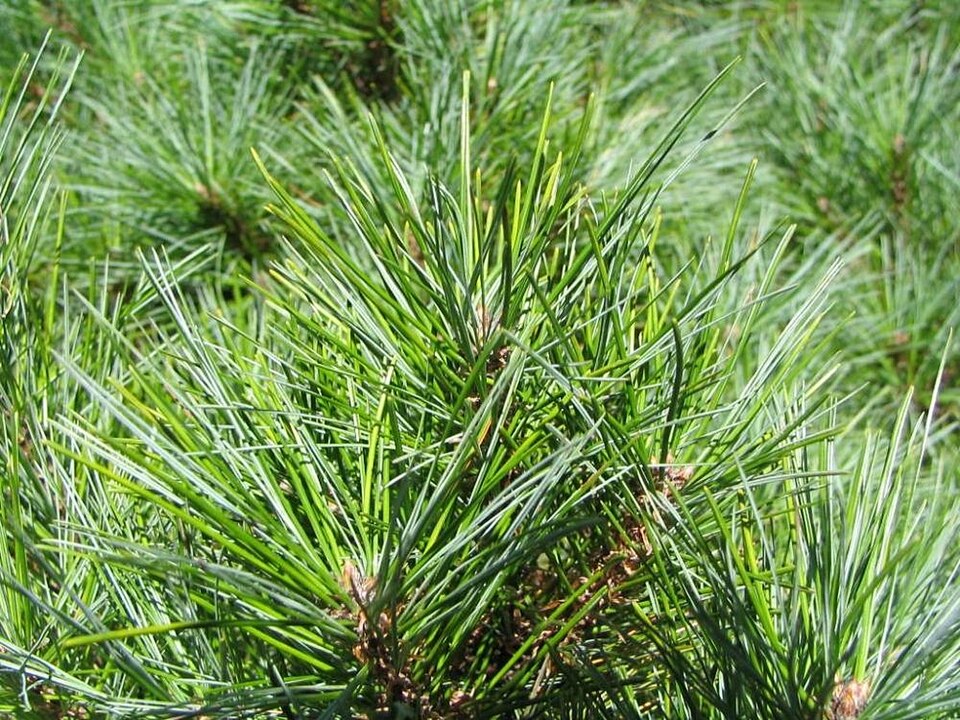
Soft blue-green needles 2.5-4 inches (6-10 cm) in fascicles (bundles) of 5 — the only northeastern North American native pine with 5-needle fascicles; needles bear white stomatal lines on the inner faces; soft flexible texture (unlike the stiff needles of P. nigra or P. sylvestris)Growing Conditions
Sun Requirements
Requires 4-10 hours of direct sunlight daily
• Full Sun: 6+ hours of direct sunlight
• Partial Shade: 3-6 hours of direct sunlight
• Full Shade: Less than 3 hours of direct sunlight
Care & Maintenance
Care Guide
Part sun to full sun (4-10 hours). Moist well-drained acidic soil pH 4.5-6.5. Susceptible to white pine blister rust and white pine weevil. Pinch candles in late spring (May-June) to control size. Slow-growing. Non-toxic. Zones 3-8.Pruning
Pinch (do not cut) the candles (new growth shoots) by half in late spring (May-June) when fully extended but before needles fully unfurl. This controls size and creates denser branching. Never cut into bare wood — pines do not regenerate from leafless branches.Pruning Schedule
Prune: May–June
late spring
Container Growing
Suitable for container growing
Minimum container size: 10 gallons