Pinus, Genus, pinea, Species,
- Genus & species
Italian stone pine
Mediterranean basin (Portugal, Spain, southern France, Italy, Greece, Turkey, North Africa; coastal sandy lowlands to 3000 feet / 900 m; cultivated since antiquity for edible pine nuts)
Overview
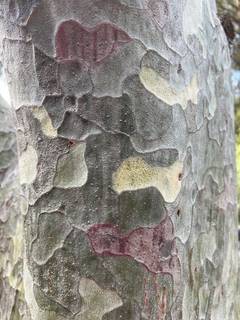
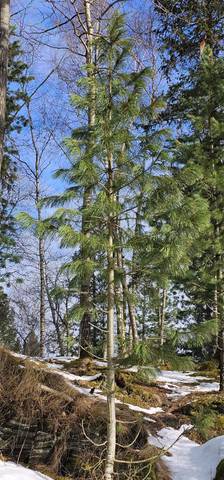
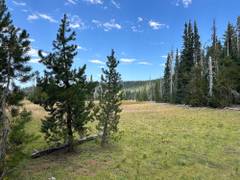
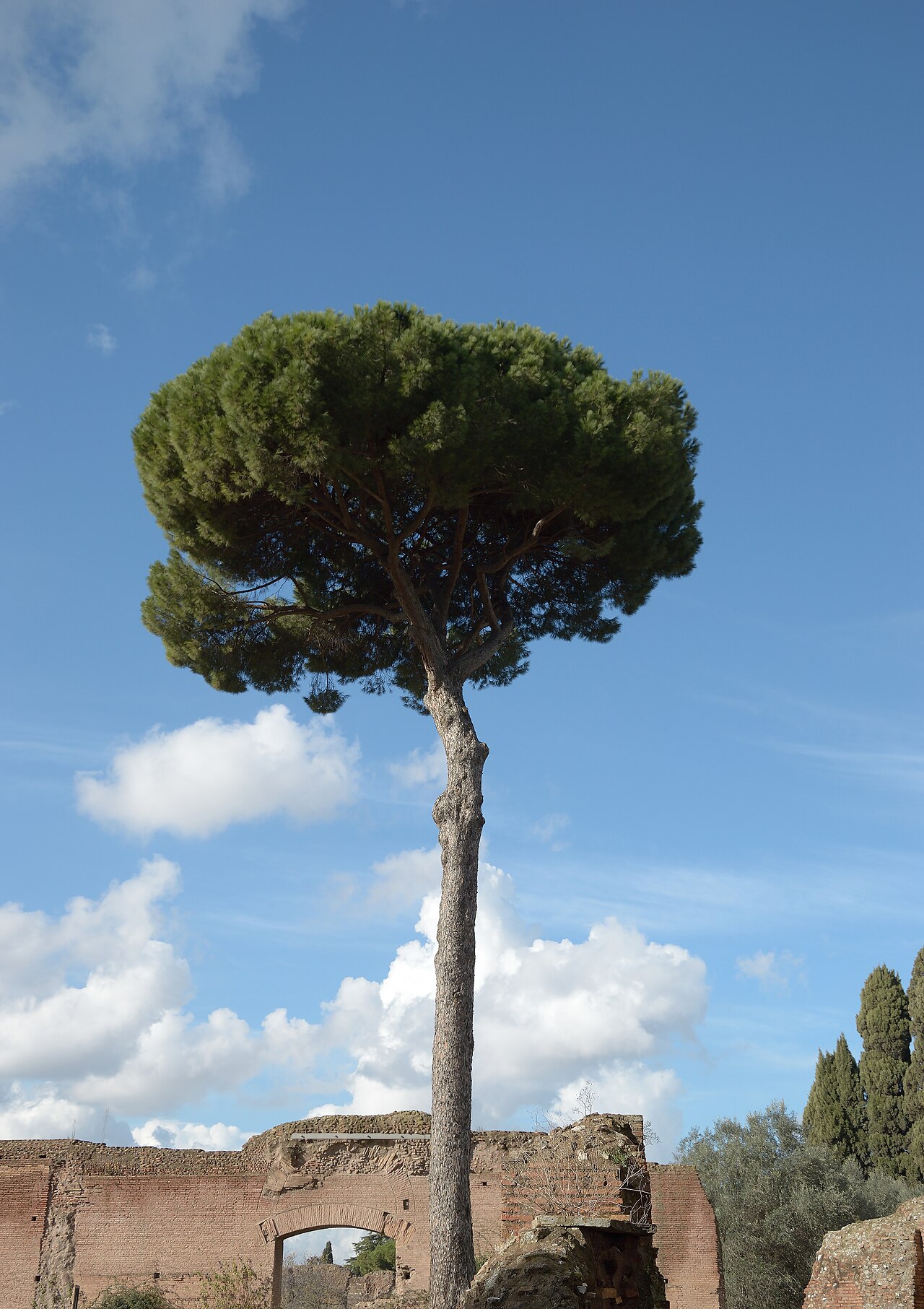
Pinus pinea is an evergreen conifer in the pine family (Pinaceae) reaching 40–80 feet (12–24 m) tall with a spread of 40–60 feet (12–18 m), carrying an umbrella-shaped or parasol crown on a stout and often short trunk. The mature umbrella silhouette reads as a defining feature of the species — no other pine in the genus develops this flat-topped parasol crown form at maturity. This two-needle pine carries needles 4–7 inches (10–18 cm) long, slightly twisted, bright green to dark green in color, held in fascicles of 2 (and occasionally in fascicles of 3 on juvenile growth). Cones run broadly ovoid at 4–6 inches (10–15 cm) long, glossy brown in color, holding large edible seeds 0.5–0.8 inch (13–20 mm) across — these are the pine nuts of Mediterranean cuisine, commercially harvested from the species across several millennia of cultivation history. The bark develops thick deeply-fissured reddish-brown to orange-brown plates on mature trunks. Growth rate runs moderate. Hardy to zone 8. The species reads as the iconic umbrella pine of Italian landscapes, Roman ruins, and Mediterranean coastal scenery. Young trees carry a conical form — the flat umbrella crown develops across the 10- to 20-year maturation window.
Native Range
Pinus pinea is native to the Mediterranean basin, where wild populations range from Portugal and Spain east through southern France, Italy, Greece, and Turkey into North Africa. The species grows in coastal areas and sandy lowland habitats from sea level up to 3,000 feet (900 m) elevation across the native range. The species has been cultivated since antiquity for its edible pine nut crop.Suggested Uses
Grown as a specimen tree in large Mediterranean-style gardens at 30–50 foot (9–15 m) spacing. The umbrella silhouette runs as the defining ornamental feature once the crown develops after 10 to 20 growing seasons. Edible pine nut harvest carries commercial and garden value across mature specimens. Drought and heat tolerance suit the species to dry warm climate zones. Mature canopy spread at 40–60 feet requires ample open space — small garden footprints cannot accommodate the mature spread. Small garden settings, cold climate zones below zone 8, and sites requiring immediate umbrella form at planting time are all unsuitable given the cultural profile and maturation window.How to Identify
Appearance
Size & Dimensions
Height40' - 80'
Width/Spread40' - 60'
Bloom Information
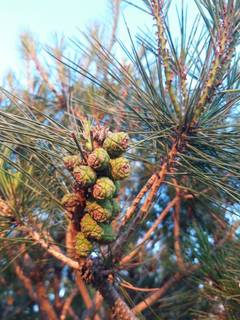
Male strobili release pollen during April and May. Female cones mature across a 3-year development cycle — a longer cycle than most pines carry — to 4–6 inches (10–15 cm) long, broadly ovoid in outline, glossy brown in color, holding the large edible pine nut seeds for commercial harvest.
Detailed Descriptions
Flower Description
Male strobili during April and May; female cones broadly ovoid 4-6 inches long glossy brown with large edible pine nut seeds on a 3-year maturation cycleFoliage Description
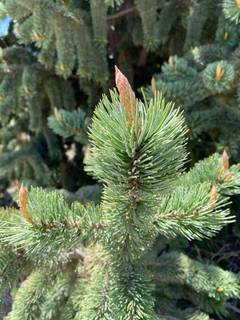
Bright green to dark green slightly-twisted needles 4-7 inches long in fascicles of 2Growing Conditions
Sun Requirements
Requires 6-12 hours of direct sunlight daily
• Full Sun: 6+ hours of direct sunlight
• Partial Shade: 3-6 hours of direct sunlight
• Full Shade: Less than 3 hours of direct sunlight