Pinus, Genus, pinaster, Species,
- Genus & species
maritime pine
Western Mediterranean (Portugal, Spain, France, Italy, Morocco, Algeria, Tunisia; coastal dunes, sandy plains, rocky slopes from sea level to 6000 feet / 1800 m)
Overview
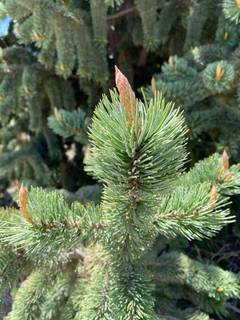
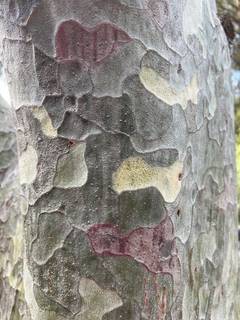
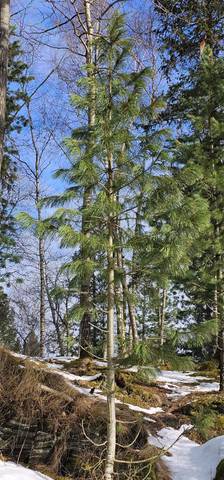
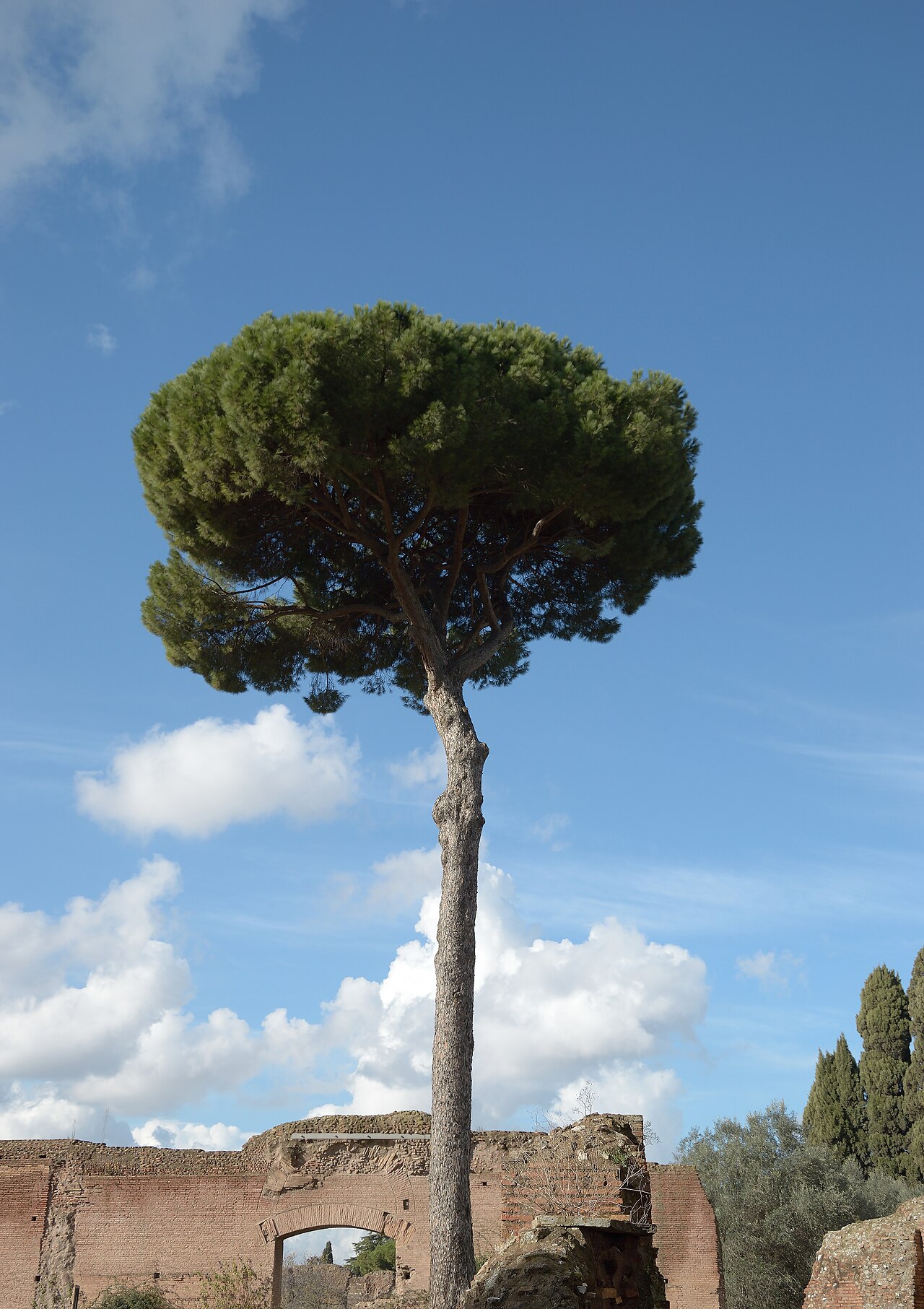
Pinus pinaster is an evergreen conifer in the pine family (Pinaceae) reaching 60–100 feet (18–30 m) tall with a spread of 30–50 feet (9–15 m), carrying a broadly conical crown that opens into a rounded flat-topped silhouette with age on a stout and often leaning trunk. This two-needle pine carries needles 6–10 inches (15–25 cm) long, thick, rigid, and dark green to gray-green in color, held in fascicles of 2 — the needle length runs longer than most two-needle pines in cultivation. Cones run large at 4–7 inches (10–18 cm) long, narrowly conical in outline, glossy reddish-brown with stout prickles on the outer cone scales, and persist on the tree across multiple seasons. The bark develops thick deeply-furrowed reddish-brown to purple-brown plates across mature trunks — the bark texture runs deeper than most pines in commercial cultivation carry. Growth rate runs fast. Hardy to zone 7. The species is native to the western Mediterranean and is widely planted across Europe for resin production, timber harvest, and coastal dune stabilization. Sandy acidic maritime conditions run within the cultural tolerance range.
Native Range
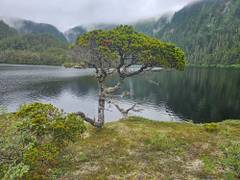
Pinus pinaster is native to the western Mediterranean basin, where wild populations grow across Portugal, Spain, France, Italy, Morocco, Algeria, and Tunisia. The species grows in coastal dune habitats, sandy inland plains, and rocky slope formations from sea level up to 6,000 feet (1,800 m) elevation across the native range.Suggested Uses
Grown as a large specimen tree or coastal windbreak at 25–40 foot (7.6–12 m) spacing in maritime or sandy-soil sites. The deeply furrowed purple-brown bark and long stiff needles carry year-round ornamental character on mature specimens. Fast growth rate suits the species to reclamation plantings and windbreak installations where rapid canopy development matters. Maritime conditions and poor sandy soils both run within the cultural tolerance range, which suits the species for coastal landscape applications. Mature size at 60–100 feet exceeds the footprint of small garden settings. Alkaline soils, cold inland climate zones below zone 7, and confined garden spaces are all unsuitable given the cultural profile.How to Identify
Appearance
Size & Dimensions
Height60' - 100'
Width/Spread30' - 50'
Bloom Information
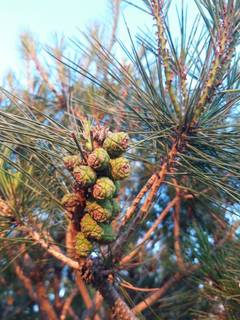
Male strobili release pollen during March and April. Female cones mature across a 2-year development cycle to 4–7 inches (10–18 cm) long, narrowly conical in outline, glossy reddish-brown in color, with stout prickles on the outer scales. Cones persist on the tree across multiple seasons rather than shedding promptly after seed release.
Detailed Descriptions
Flower Description
Male strobili during March and April; female cones narrowly conical 4-7 inches long glossy reddish-brown with stout prickles; cones persist on the tree across seasonsFoliage Description
Dark green to gray-green stiff thick needles 6-10 inches long in fascicles of 2; needle length runs longer than most two-needle pines in cultivationGrowing Conditions
Sun Requirements
Requires 6-12 hours of direct sunlight daily
• Full Sun: 6+ hours of direct sunlight
• Partial Shade: 3-6 hours of direct sunlight
• Full Shade: Less than 3 hours of direct sunlight