Pinus, Genus, muricata, Species,
- Genus & species
bishop pine
California coast in scattered fog-belt populations from Humboldt County to Santa Barbara County and Baja California; coastal bluffs, closed-cone pine forests, and marine terraces
Overview
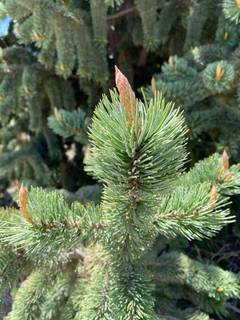
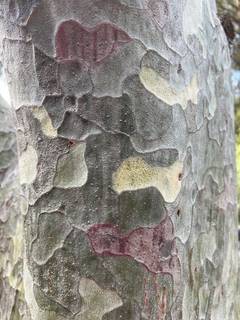
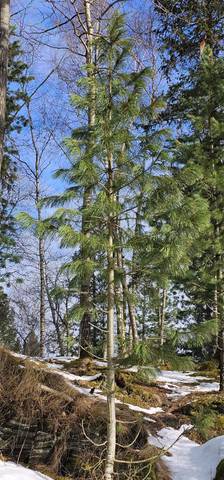
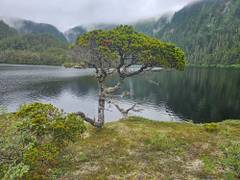
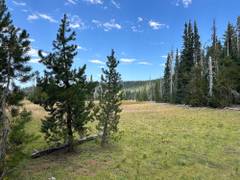
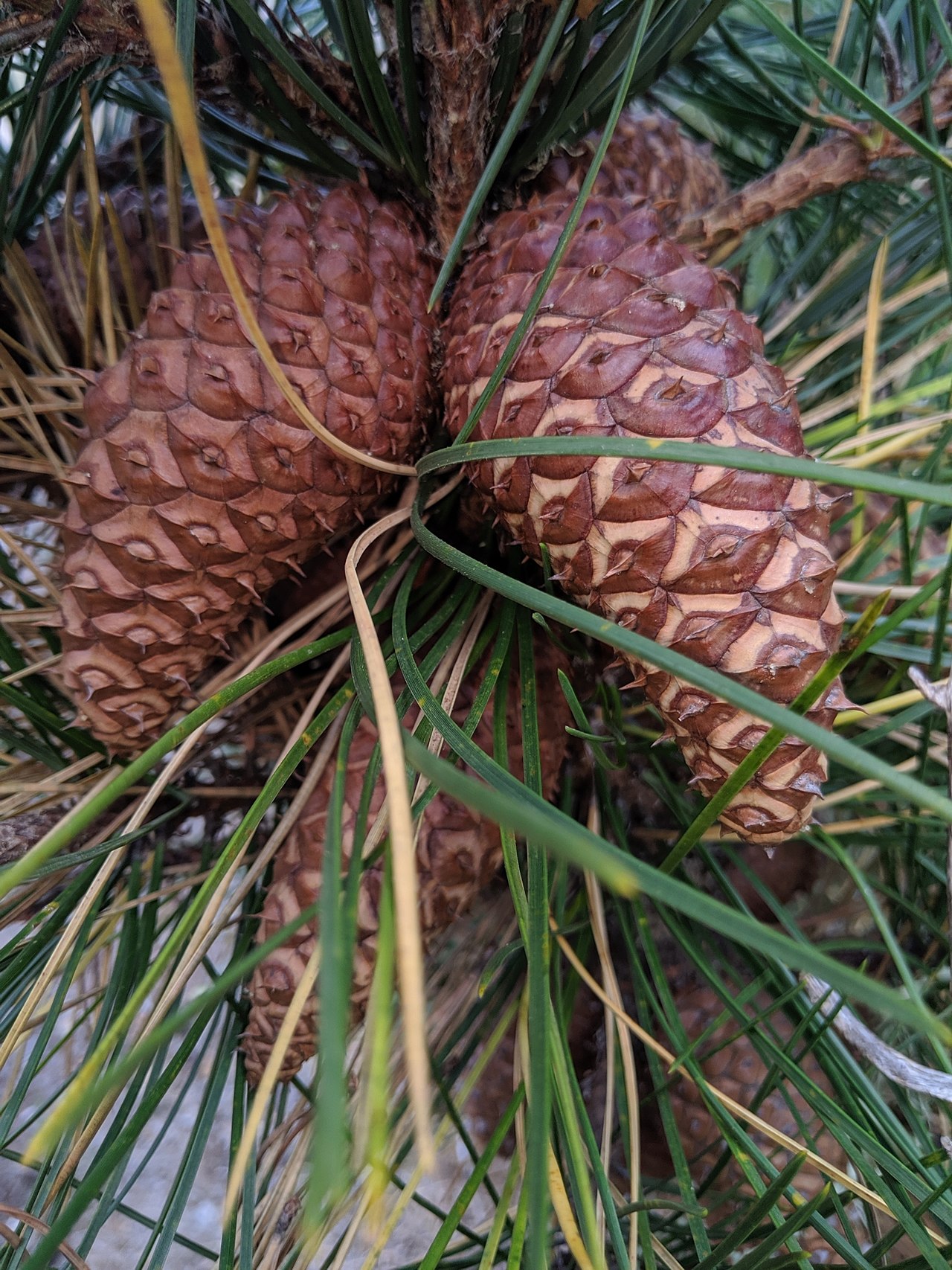
Pinus muricata is an evergreen conifer reaching 40–75 feet (12–23 m) tall and 20–35 feet (6–10.7 m) wide, with a dense broadly rounded to flat-topped crown that is often leaning or wind-sculpted in exposed coastal settings. The species is a two-needle pine; needles measure 4–6 inches (10–15 cm) long, are dark green and stiff, and are held in fascicles of 2. Cones are asymmetric and ovoid, 2–3.5 inches (5–9 cm) long, with sharp prickles on the outer scales, variably serotinous depending on population, and borne in tight whorls of 3–7 that persist on the trunk and branches for many years. Bark is thick, dark gray-brown to blackish, and deeply furrowed. Growth rate is fast near the coast. Hardy in USDA zones 7–10. The species is a California-endemic coastal pine with a restricted natural range in scattered fog-belt populations; hot interior climates are outside its adapted range, mature size of 40–75 feet (12–23 m) tall exceeds the space available in small gardens, and the sharp cone prickles make fallen cones a handling hazard.
Native Range
Pinus muricata is native to the California coast in scattered disjunct populations from Humboldt County to Santa Barbara County, and Baja California. The species grows on fog-belt coastal bluffs, in closed-cone pine forests, and on marine terraces, typically within a few miles of the ocean.Suggested Uses
Planted as a specimen, windbreak, or coastal screen at 20–30 foot (6–9 m) spacing in USDA zones 7–10, in maritime climates where salt spray, wind, and fog rule out most other conifer species. The dense rounded crown shades and shelters a broad footprint. The species is a California endemic with a restricted native range, supporting conservation and native-plant interest in coastal restoration-adjacent plantings. Hot interior climates, small gardens at the 40–75 foot (12–23 m) mature height, and positions where the sharp-prickled fallen cones would be walked on are the main planting limitations.How to Identify
Appearance
Size & Dimensions
Height40' - 75'
Width/Spread20' - 35'
Bloom Information
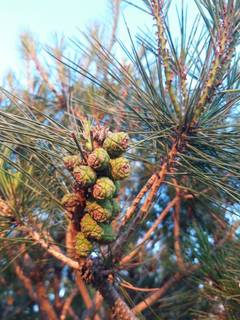
Produces male pollen strobili in March and April. Female cones mature in 2 years to 2–3.5 inches (5–9 cm) long, asymmetric, prickly, variably serotinous depending on population, in tight whorls of 3–7 that persist on the trunk and branches for many years. Pollination events last 2 weeks.
Detailed Descriptions
Flower Description
Male pollen strobili March–April; female cones asymmetric ovoid 2–3.5 inches (5–9 cm) with sharp prickles, in tight whorls of 3–7 persistent on trunk for yearsFoliage Description
Dark green; stiff needles 4–6 inches (10–15 cm) long in fascicles of 2Growing Conditions
Sun Requirements
Requires 6-12 hours of direct sunlight daily
• Full Sun: 6+ hours of direct sunlight
• Partial Shade: 3-6 hours of direct sunlight
• Full Shade: Less than 3 hours of direct sunlight