Pinus, Genus, heldreichii, Species,
- Genus & species
Bosnian pine
Balkan mountains and southern Italy (Albania, Bosnia, Bulgaria, Greece, Montenegro, Serbia, southern Italy); subalpine limestone cliffs and rocky slopes at 3,000-7,500 ft (900-2,300 m); individual specimens in the Balkans exceed 1,000 years of age
Overview
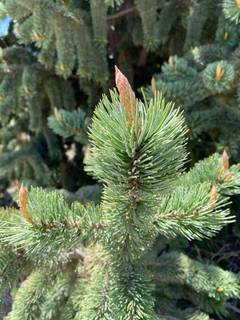
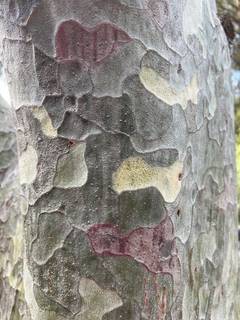
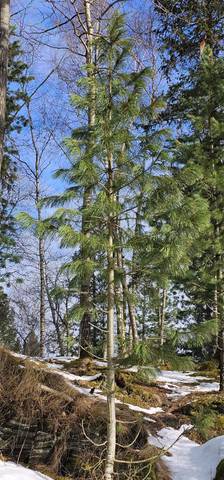
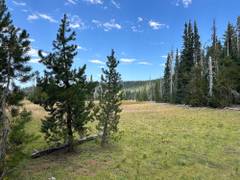
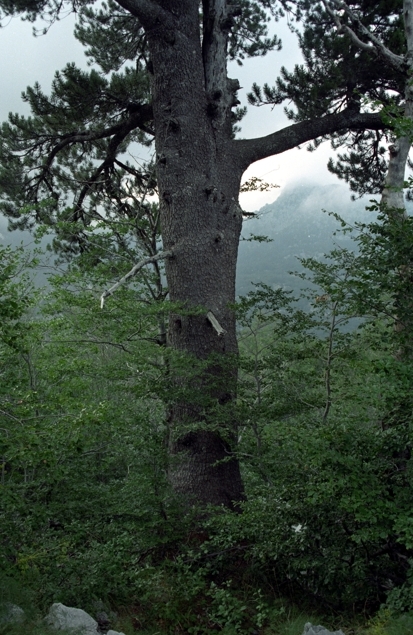
Pinus heldreichii is an evergreen conifer reaching 30-60 feet (9-18 m) tall with a spread of 15-25 feet (4.6-7.6 m) and a narrowly conical to pyramidal crown, opening to a more irregularly rounded form with great age. This two-needle pine carries stiff dark green needles 2.5-4 inches (6-10 cm) long in fascicles of 2, densely packed along the branches and persisting 3-4 years so that the foliage remains dense rather than sparse at the interior. Cones are 2.5-3.5 inches (6-9 cm) long, ovoid, and open dark blue-purple when young before maturing to brown. The bark on older trunks develops a characteristic mosaic: light gray plates separated by darker furrows, a pattern not seen in most other pines. Growth rate is slow. Hardy to USDA zone 5. Non-toxic. Individual specimens in the Balkans have been dated at over 1,000 years of age, making this a long-lived species well beyond the lifespan of most planted pines. Tolerant of urban pollution, heat, drought, alkaline and calcareous soils, clay, and cold — a combination that suits difficult urban and calcareous sites where other pines fail. Named for Theodor von Heldreich, German botanist.
Native Range
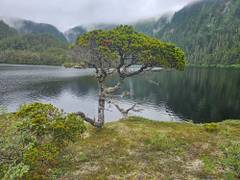
Pinus heldreichii is native to the mountains of the Balkans and southern Italy — Albania, Bosnia, Bulgaria, Greece, Montenegro, Serbia, and southern Italy — on subalpine limestone cliffs and rocky slopes at 3,000-7,500 feet (900-2,300 m).Suggested Uses
Used as a specimen, street tree, or evergreen screen in zones 5-8 at 15-20 foot (4.6-6 m) spacing. Tolerance of urban pollution, alkaline soils, drought, heat, and cold suits difficult sites where other pines fail — calcareous street plantings, roadside verges, and exposed hillsides in particular. Dense conical form gives year-round structure. Blue-purple young cones and mosaic bark on older trunks add seasonal and mature interest. Slow growing, so not suited to sites requiring fast coverage. Individual specimens are long-lived (1,000+ years documented in the wild), so cultivated plantings outlast most other conifer choices given decent site conditions.How to Identify
Appearance
Size & Dimensions
Height30' - 60'
Width/Spread15' - 25'
Bloom Information
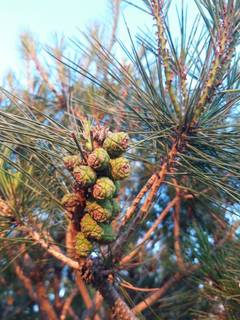
Male strobili shed pollen in May and June. Female cones mature over two growing seasons to 2.5-3.5 inches (6-9 cm), ovoid, and open dark blue-purple when young before maturing to brown. The blue-purple young cones are a short-lived seasonal feature visible on branch tips.
Detailed Descriptions
Flower Description
Male strobili shed pollen in May-June; female cones mature over 2 years to 2.5-3.5 inches (6-9 cm), ovoid, dark blue-purple when young and maturing to brownFoliage Description
Stiff dark green needles 2.5-4 inches (6-10 cm) long in fascicles of 2; densely packed on the branches and persisting 3-4 yearsGrowing Conditions
Sun Requirements
Requires 6-12 hours of direct sunlight daily
• Full Sun: 6+ hours of direct sunlight
• Partial Shade: 3-6 hours of direct sunlight
• Full Shade: Less than 3 hours of direct sunlight