Pinus, Genus, echinata, Species,
- Genus & species
shortleaf pine
Southeastern and south-central United States
Overview
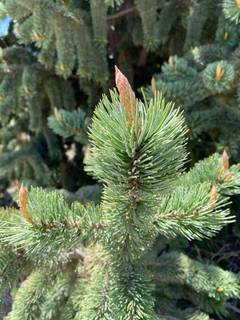
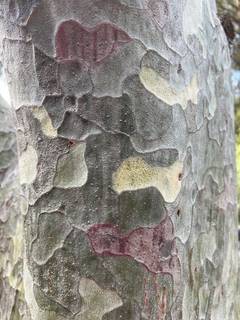
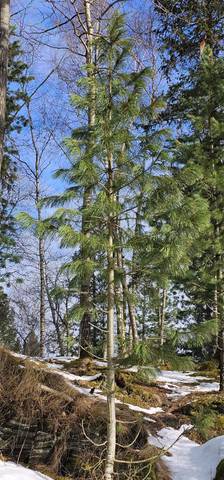
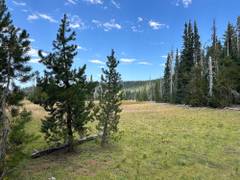
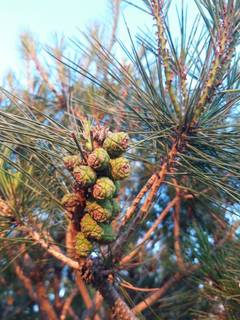
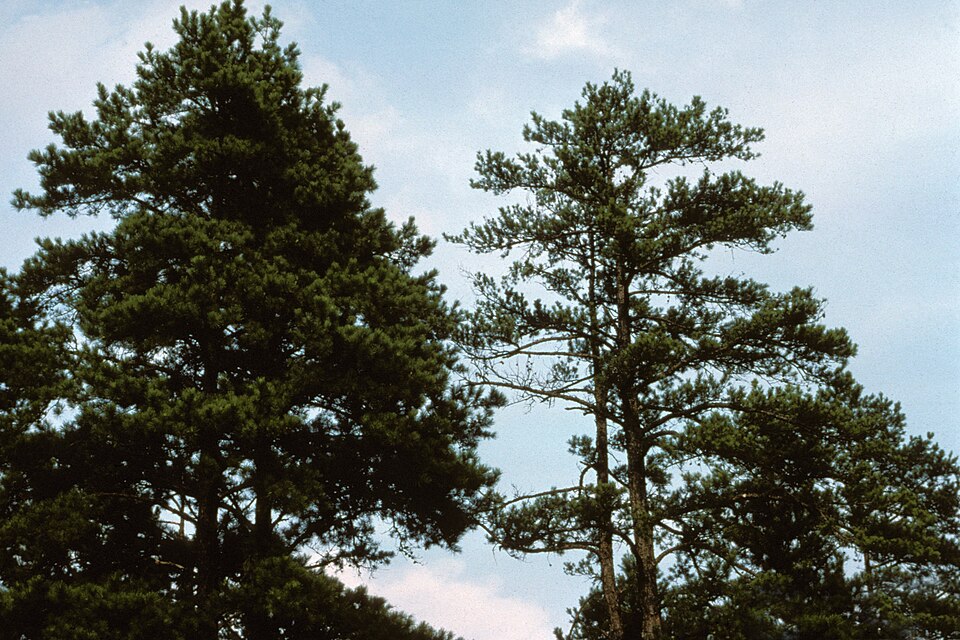
Pinus echinata is an evergreen conifer reaching 80-100 feet (24-30 m) tall with a trunk 2-3 feet (0.6-0.9 m) in diameter and a straight bole topped by an open, irregular crown. Young trees carry a narrow pyramidal form that becomes flat-topped with age. The bark forms large, flat, reddish-brown plates separated by shallow furrows, with small resin pockets visible as tiny holes. Needles are slender and flexible, 3-5 inches (7.6-12.7 cm) long, borne mostly in bundles of two but also in threes, dark blue-green, and persist two to five years. Cones are small, 1.5-2.5 inches (3.8-6.4 cm) long, egg-shaped, with a short prickle on each scale, and stay on the branches for several years after opening. The species sprouts from the stump and root collar after fire or cutting when young, a trait few other pines share. It is hardy in USDA zones 6-9 and grows on a wide range of upland soils, reaching ages over 200 years. Slow early height growth and susceptibility to littleleaf disease on poorly drained sites are limitations.
Native Range
Pinus echinata is native to the southeastern and south-central United States, ranging from southern New York and New Jersey south to northern Florida and west to eastern Texas, Oklahoma, and Missouri. It grows on dry upland slopes, ridges, and old fields, often mixed with oaks and other pines.Suggested Uses
Grown as a timber and reforestation tree across the southern United States and used in large landscapes, parks, and wildlife plantings. The seeds feed birds and small mammals, and the trees support nesting birds.How to Identify
Appearance
Size & Dimensions
Height80' - 100'
Width/Spread30' - 40'
Bloom Information
As a conifer, P. echinata produces cones rather than flowers. Pollen is shed from yellow male strobili in March and April, and small reddish female cones appear at branch tips. Seed cones ripen over two seasons and release winged seeds in fall of the second year.
Detailed Descriptions
Foliage Description
dark blue-greenGrowing Conditions
Sun Requirements
Requires 6-10 hours of direct sunlight daily
• Full Sun: 6+ hours of direct sunlight
• Partial Shade: 3-6 hours of direct sunlight
• Full Shade: Less than 3 hours of direct sunlight
Care & Maintenance
Care Guide
Grows in full sun on well-drained sandy or rocky upland soils and tolerates poor, eroded ground. A soil pH of 4.5-6.5 suits the species, which is adapted to acidic conditions. Young trees grow slowly for the first few years while developing a deep taproot, then speed up. Established trees are drought tolerant and need no supplemental water. Poorly drained sites encourage littleleaf disease, a decline linked to root fungi and nitrogen loss. Periodic ground fire in natural stands reduces competition and exposes mineral soil for seedlings.Pruning
Little pruning is needed in landscape use beyond removing dead or damaged limbs. Lower branches self-prune as the canopy closes in stands. Removing the central leader destroys the natural form and is not corrected by later growth.Pruning Schedule
Prune: February–March
winterearly spring