Pinus, Genus, densiflora, Species, 'Umbraculifera', Cultivar,
- Genus & species
- Cultivar
Japanese umbrella pine
Cultivar of Japanese origin; species native to Japan, Korea, northeastern China
Overview
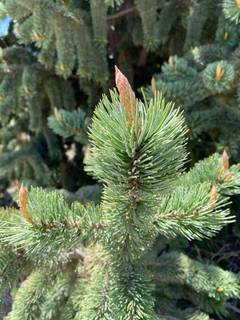
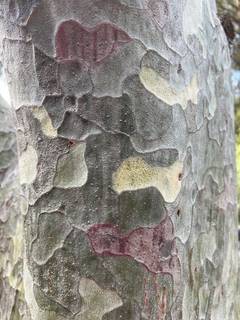
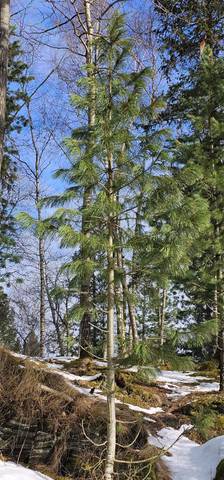
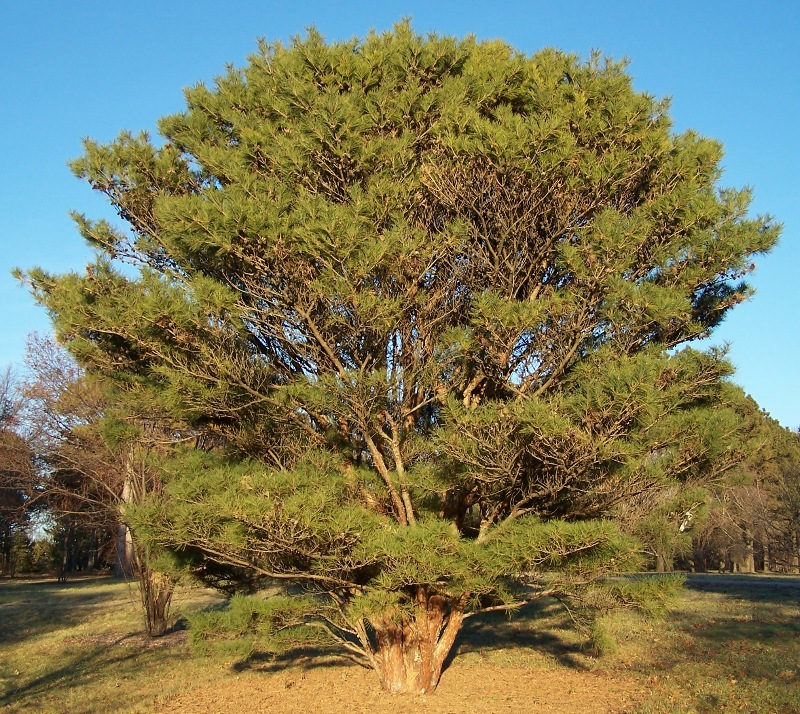
Pinus densiflora 'Umbraculifera' is a multi-stemmed cultivar of Japanese red pine with a flat-topped to umbrella-shaped crown. Plants reach 12–20 feet (3.7–6 m) tall and 12–20 feet (3.7–6 m) wide at maturity; growth rate is 6–12 inches (15–30 cm) per year. Multiple trunks emerge from near the base, branching outward and upward to form a broad, layered canopy. Bark on the upper trunks and branches is orange-red to cinnamon; lower trunk bark is gray-brown and furrowed. Needles are in bundles of two, 3–5 inches (7.5–12.5 cm) long, bright green. Cones are ovoid, 1.5–2.5 inches (4–6 cm) long, light brown. The flat-topped crown develops naturally without pruning; individual branch proportions vary among specimens propagated from seed. Diplodia tip blight and pine wilt nematode affect this cultivar under the same conditions as the species, with Diplodia more prevalent in Pacific Northwest wet spring conditions.
Native Range
The species Pinus densiflora is native to Japan, Korea, northeastern China, and the Russian Far East. The cultivar 'Umbraculifera' originated in Japanese cultivation.Suggested Uses
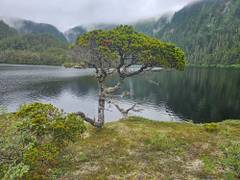
Planted as a specimen tree in residential gardens, Japanese-style gardens, and mixed borders, spaced 15–18 feet (4.6–5.5 m) from adjacent plants to accommodate the full canopy spread. The flat-topped form and multi-trunk structure work well in open lawn settings where the full silhouette is visible from multiple angles. The eventual spread of 12–20 feet (3.7–6 m) requires clearance from structures and walkways.How to Identify
Appearance
Size & Dimensions
Height12' - 20'
Width/Spread12' - 20'
Bloom Information
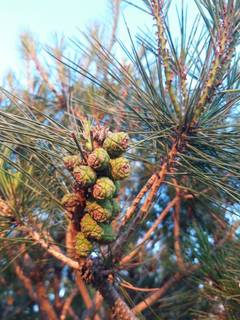
Male strobili are yellow, releasing pollen in April–May. Female cones are ovoid, 1.5–2.5 inches (4–6 cm) long, ripening from green to light brown in the second season. Cone production begins at 10–15 years and is distributed across the flat canopy.
Detailed Descriptions
Flower Description
yellow (male strobili)Foliage Description
bright greenGrowing Conditions
Sun Requirements
Requires 6-12 hours of direct sunlight daily
• Full Sun: 6+ hours of direct sunlight
• Partial Shade: 3-6 hours of direct sunlight
• Full Shade: Less than 3 hours of direct sunlight
Care & Maintenance
Care Guide
Water weekly during the first two growing seasons; established plants tolerate 3–4 weeks without rain. Well-drained soil is essential. Diplodia tip blight can brown new growth in wet spring conditions, particularly affecting the dense canopy of this multi-stemmed form. Good air circulation within the canopy reduces fungal disease pressure. The multi-trunk form does not require staking or training; it develops naturally from the base. Pine wilt nematode risk is lower in Pacific Northwest conditions than in eastern North America.Pruning
No pruning is required to maintain the umbrella form. Candles can be shortened by half in spring to increase branching density and slow height extension. Dead branches within the interior canopy can be removed to improve air circulation. Lower branches on individual trunks can be removed to expose the orange-red bark; removal of entire trunks is not recommended as it alters the characteristic multi-stemmed silhouette.Pruning Schedule
Prune: April–May
late spring