Pedicularis, Genus, sylvatica, Species,
- Genus & species
common lousewort
Overview
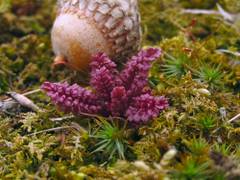
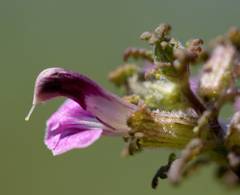
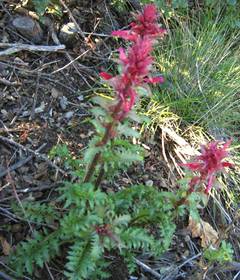
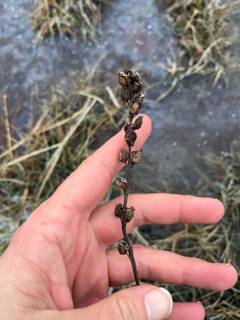
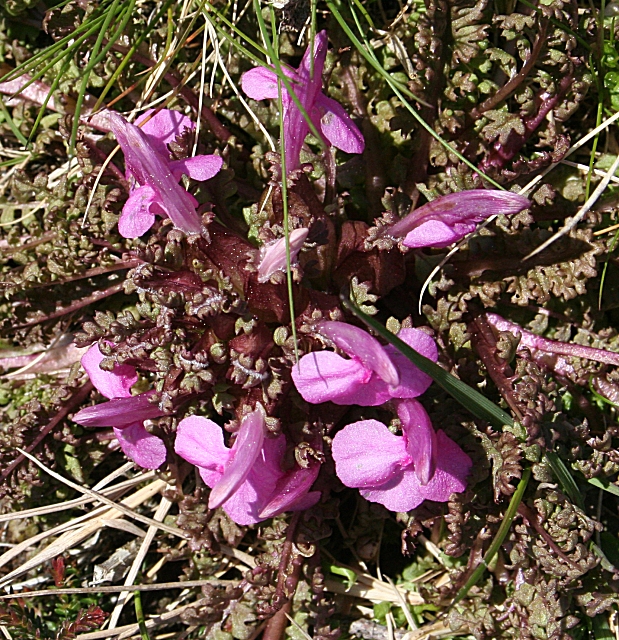
Pedicularis sylvatica is a low, hemiparasitic perennial 2-10 inches (5-25 cm) tall that draws part of its nutrition from the roots of nearby grasses and sedges. It forms a low spread of branching, often reddish stems carrying fern-like leaves cut into many small, toothed lobes. From late spring through summer it bears two-lipped pink flowers about 0.8-1 inch (20-25 mm) long, the upper lip hooded and the lower lip three-lobed, held in loose leafy spikes. The inflated, ribbed calyx behind each flower is a clear field mark. It grows on damp, acidic, nutrient-poor ground such as wet heath, bog margins, marshy grassland, and flushes, and depends on suitable host plants nearby to grow well. Because of its partial parasitism it is difficult to grow away from a natural community and rarely persists in ordinary cultivated soil. The plant is small and easily lost among taller vegetation, and it declines when its damp habitats are drained or enriched. It is pollinated mainly by bumblebees, which work the hooded flowers.
Native Range
Pedicularis sylvatica is native to western and central Europe, from the British Isles and Scandinavia south to Iberia and Italy. It grows in damp, acidic heath, bog margins, and poor wet grassland.Suggested Uses
Found in conservation and naturalistic plantings of wet heath, bog, and acid grassland rather than in formal borders. Where its habitat and host plants exist, it adds early-summer pink colour to low, damp swards.How to Identify
Appearance
Size & Dimensions
Height2" - 10"
Width/Spread4" - 10"
Bloom Information
Detailed Descriptions
Foliage Description
greenGrowing Conditions
Sun Requirements
Requires 4-10 hours of direct sunlight daily
• Full Sun: 6+ hours of direct sunlight
• Partial Shade: 3-6 hours of direct sunlight
• Full Shade: Less than 3 hours of direct sunlight