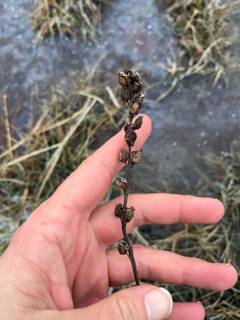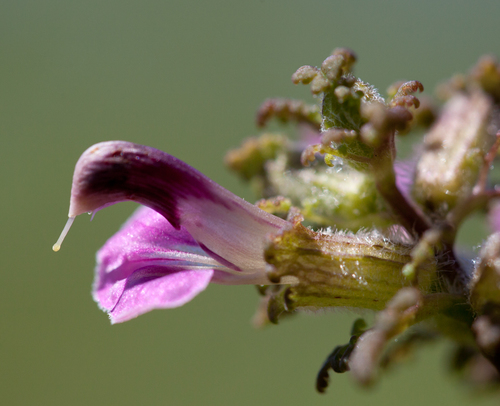
Pedicularis, Genus, palustris, Species,
- Genus & species
marsh lousewort
Northern and central Europe, northern Asia
Overview
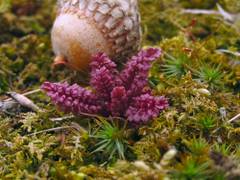
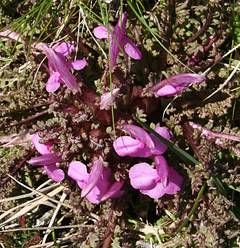
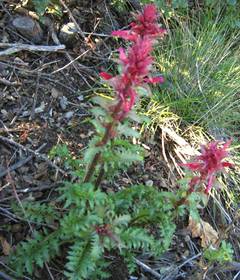
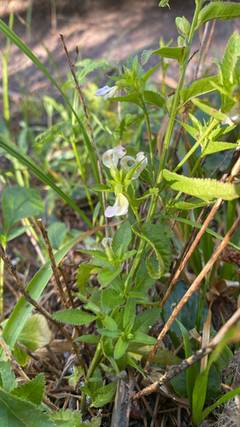
Pedicularis palustris is a hemiparasitic annual or short-lived biennial of wet, boggy ground, growing 8-24 inches (20-60 cm) tall on an erect, often purple-tinged, branching stem. The leaves are deeply cut into many narrow, toothed segments, giving a fern-like look, and are arranged alternately up the stem. From late spring into summer it bears two-lipped, snapdragon-like flowers about 0.5-0.8 inch (12-20 mm) long in pink to rose-purple, the hooded upper lip often bearing small teeth. It is partly parasitic, attaching to the roots of nearby grasses and sedges to draw water and minerals while still photosynthesising through its own green leaves. The plant grows in fens, marshes, wet meadows, and bog margins on wet, peaty or mineral, base-poor to base-rich soils. It depends on damp, open, low-competition vegetation and has declined where wetlands are drained or fertilised. Because it needs host plants and undisturbed wet ground, it is difficult to cultivate and is rarely grown outside specialist wetland and conservation settings. After flowering it sets seed in inflated capsules and, as an annual or biennial, dies, the population renewing from seed.
Native Range
Pedicularis palustris is native across northern and central Europe and into northern Asia, in cool wetlands. It grows in fens, marshes, wet meadows, and bog margins on consistently wet ground.Suggested Uses
Grown in fen and bog restoration, wet conservation meadows, and specialist wetland plantings, sown into damp, short, host-rich turf. Suits naturalistic wetland schemes where its host grasses and sedges are present. It is grown mainly for conservation and habitat value rather than as a border plant.How to Identify
Appearance
Size & Dimensions
Height8" - 2'
Width/Spread6" - 1'
Bloom Information
Detailed Descriptions
Flower Description
Pink to rose-purpleFoliage Description
GreenGrowing Conditions
Sun Requirements
Requires 4-10 hours of direct sunlight daily
• Full Sun: 6+ hours of direct sunlight
• Partial Shade: 3-6 hours of direct sunlight
• Full Shade: Less than 3 hours of direct sunlight
Care & Maintenance
Care Guide
Grow in permanently wet, open, low-nutrient ground in full sun to light shade, among short grasses and sedges that serve as hosts. As a root hemiparasite it establishes poorly without suitable host plants nearby, so it is sown directly into existing damp, grassy wetland rather than into bare or rich soil. Keep the ground consistently wet and free of vigorous, smothering vegetation and added fertiliser. Sow fresh seed in autumn on the surface of wet, host-bearing turf, as the seed is short-lived and needs cold to germinate. The plant tolerates the cold of USDA zones 3 through 7. It is short-lived and renews only from seed, so some seeding must be allowed each year.Pruning
No pruning is needed for this short-lived wetland plant. Leave the stems and seed capsules to ripen and shed so the population can renew from seed. Remove competing tall vegetation that would shade it out.Toxicity: Not assessed
UnknownPlanting Guide
Planting Methods & Timing
Planting Method
direct sow
Direct Sow Timing
Autumn onto wet host-bearing turf
Plant Spacing
8 inches