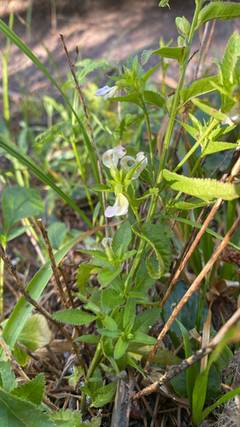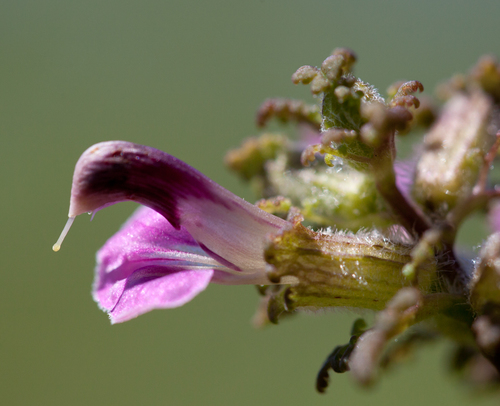
Pedicularis, Genus, spp., Multiple species,
- Genus
- Multiple species
louseworts
Northern hemisphere temperate, arctic, and alpine regions
Overview
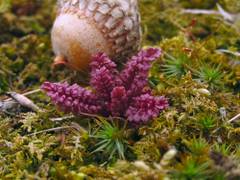
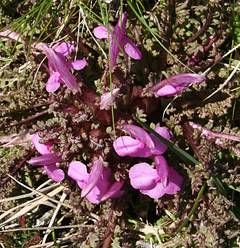
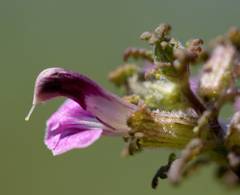
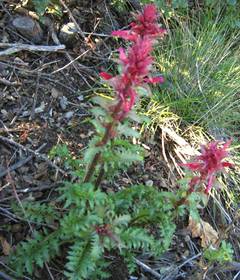
Pedicularis is a large genus of around 600 to 800 species of hemiparasitic herbs in the broomrape family Orobanchaceae, formerly placed in Scrophulariaceae. The genus is concentrated in the cool-temperate, arctic, and alpine regions of the northern hemisphere, with its greatest diversity in the Himalayas and western China. Species range from annuals to long-lived perennials, mostly 4-24 in (10-60 cm) tall, with a basal rosette or leafy stems of deeply pinnate, often fern-like leaves. The tubular two-lipped flowers are carried in spikes or racemes, the upper lip frequently hooded or beaked, in shades of pink, purple, red, yellow, and white. All species are root hemiparasites, tapping the roots of neighbouring grasses and forbs through specialised haustoria while still producing their own chlorophyll. This dependence on host plants makes most species difficult to establish in cultivation. Flowering occurs mainly in late spring and summer, often in damp meadows, bogs, tundra, and open montane slopes. The common name lousewort reflects an old belief that the plants gave lice to grazing stock. Several species contain alkaloids and glycosides that are toxic to livestock and humans if eaten.
Native Range
The genus is distributed across the cool-temperate and arctic northern hemisphere, from North America through Europe to Asia. The richest concentrations occur in the alpine Himalayas and the mountains of western China, with further centres in the North American Rockies and the Arctic.Suggested Uses
Where it can be established, Pedicularis is used in alpine troughs, bog gardens, and native wildflower meadows grown together with its grass or forb hosts. Plants are spaced 8-12 in (20-30 cm) apart among host vegetation. The genus is not suited to containers isolated from host roots.How to Identify
Appearance
Size & Dimensions
Height4" - 2'
Width/Spread6" - 1'
Bloom Information
Most Pedicularis species flower from late spring through summer, with high-altitude and arctic species flowering briefly in a short alpine season. Spikes open from the base upward over several weeks. Seed capsules follow and split to release flattened seeds.
Detailed Descriptions
Flower Description
pink, purple, red, yellow, or whiteFoliage Description
greenGrowing Conditions
Sun Requirements
Requires 6-8 hours of direct sunlight daily
• Full Sun: 6+ hours of direct sunlight
• Partial Shade: 3-6 hours of direct sunlight
• Full Shade: Less than 3 hours of direct sunlight