Oxalis, Genus, spp., Multiple species,
- Genus
- Multiple species
Woodsorrels
Worldwide except Antarctica, with the greatest diversity in South America and southern Africa
Overview
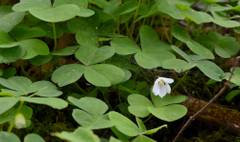
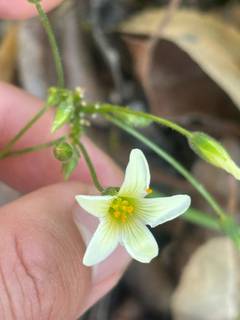
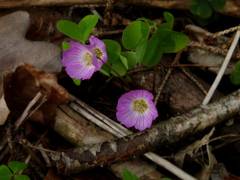
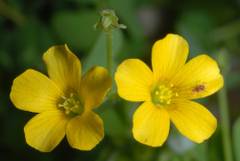
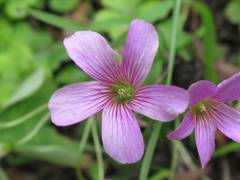
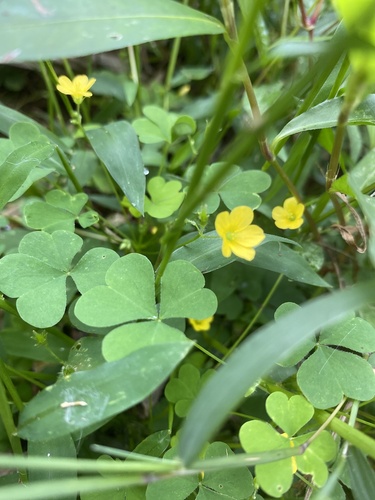
Oxalis is a genus of roughly 550 species of annual and perennial herbs in the Oxalidaceae family, the largest genus in its family and most diverse in South America and southern Africa. Many species grow from bulbs, tubers, or rhizomes and form low mounds of clover-like leaves, each leaf usually divided into three (sometimes four or more) heart-shaped leaflets that fold down at night and reopen by day. Leaf color ranges from green to deep maroon-purple in ornamental species such as O. triangularis. Flowers have 5 petals, are funnel- or cup-shaped, and measure 0.3-1 inch (8-25 mm) across in yellow, pink, white, or purple, opening in sun and closing in shade or rain. Plants stand 3-18 inches (8-45 cm) tall. All parts contain oxalic acid, giving the foliage a sour taste and posing a risk to pets and livestock in quantity. Several species, including O. corniculata and O. pes-caprae, spread aggressively by seed flung from ripe capsules or by tiny bulbils, becoming persistent weeds of gardens, lawns, and greenhouses. The genus ranges from hardy woodland species to frost-tender bulbs grown as houseplants.
Native Range
Oxalis is found on every continent except Antarctica, with the greatest diversity in South America and the Cape region of South Africa. North American natives include O. oregana of western forests and O. violacea of eastern woodlands and prairies.Suggested Uses
Grown as groundcover, edging, container plants, and houseplants, with purple-leaved forms used for foliage contrast. Woodland species suit shaded native plantings, while bulb species are grown in pots and rock gardens. The flowers draw bees and other small pollinators.How to Identify
Appearance
Size & Dimensions
Height3" - 1'6"
Width/Spread6" - 1'6"
Bloom Information
Bloom runs from spring through fall in most species, roughly April to September, with some tender bulbs flowering in winter indoors. Individual flowers open in bright light and close at night and in cloudy weather. Plants bloom in repeated flushes rather than one long display. Flowering slows during summer dormancy in bulb-forming species.
Detailed Descriptions
Flower Description
yellow, pink, white, and purpleFoliage Description
green to purpleGrowing Conditions
Sun Requirements
Requires 4-8 hours of direct sunlight daily
• Full Sun: 6+ hours of direct sunlight
• Partial Shade: 3-6 hours of direct sunlight
• Full Shade: Less than 3 hours of direct sunlight
Care & Maintenance
Care Guide
Plants in this genus grow in full sun to part shade and prefer moist, well-drained soil at pH 5.5-7.0, with woodland species tolerating more shade and bulb species needing a dry rest period. Most grow easily and can spread beyond where they are planted, since bulbils and explosively dispersed seed start new plants. Tender species are grown as houseplants or lifted before frost, while hardy species overwinter in the ground in mild zones. Plants may go dormant in summer heat or winter cold and regrow from bulbs or rhizomes. Common problems include rust, aphids, and spider mites in dry indoor air. Hardiness varies widely, from USDA zones 6 to 10 depending on species.Pruning
No structural pruning is needed. Removing spent flowers and seed capsules before they ripen limits self-seeding in weedy species. Cutting back tired foliage as plants enter dormancy lets fresh leaves emerge when growth resumes.Container Growing
Suitable for container growing
Minimum container size: 1 gallons