Oxalis, Genus, pes-caprae, Species,
- Genus & species
bermuda buttercup
Overview
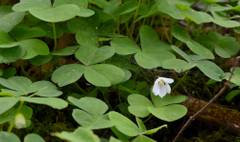
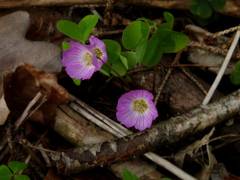
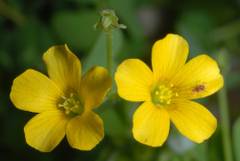
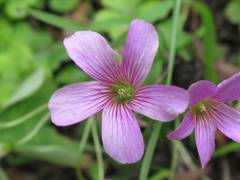
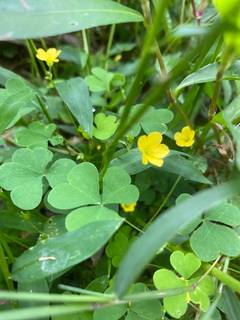
Oxalis pes-caprae is a bulbous perennial in the wood-sorrel family, growing 4-12 inches (10-30 cm) tall from small underground bulbs. The leaves are trifoliate with heart-shaped leaflets 0.5-1.5 inches (1-4 cm) wide, clover-like, often marked with purple-brown flecks, and arise in a basal rosette. Yellow funnel-shaped flowers, each 0.8-1 inch (2-2.5 cm) across, are carried in loose umbel-like clusters on leafless stalks held above the foliage. The plant is winter-growing and summer-dormant, dying back to its bulbs during dry summers. It reproduces almost entirely by underground bulbils rather than seed, forming dense colonies that displace low-growing vegetation. O. pes-caprae is classified as a noxious or invasive weed in California, southern Australia, and much of the Mediterranean basin, where it colonizes orchards, gardens, and disturbed ground. All parts contain soluble oxalates, which can cause digestive upset and, in large quantities, oxalate poisoning in grazing livestock. The species tolerates drought once dormant and grows in a range of soils, though it is most often found in open, sunny, cultivated sites. Its persistence comes from the bulbils, which fragment and regrow after soil disturbance, making established stands difficult to remove.
Native Range
Native to the Western Cape region of South Africa, where it grows in winter-rainfall areas. It has naturalized widely across Mediterranean-climate regions, including California, Australia, and southern Europe.Suggested Uses
Sometimes grown as a winter-flowering container or rockery plant in frost-free climates. In most regions it is managed as a weed rather than cultivated, owing to its invasive spread. Its flowers are an early-season nectar source for bees.How to Identify
Appearance
Size & Dimensions
Height4" - 1'
Width/Spread8" - 1'
Bloom Information
Flowers from late winter into spring, typically February through May in the Northern Hemisphere. Blooms open in sunlight and close in shade or overcast conditions. Flowering coincides with the winter-growing phase, after which the plant dies back to its bulbs.
Detailed Descriptions
Foliage Description
Green, often flecked with purple-brownGrowing Conditions
Sun Requirements
Requires 6-10 hours of direct sunlight daily
• Full Sun: 6+ hours of direct sunlight
• Partial Shade: 3-6 hours of direct sunlight
• Full Shade: Less than 3 hours of direct sunlight
Care & Maintenance
Care Guide
Grows from bulbs planted in autumn in well-drained soil and full sun to partial shade. Needs little supplemental water, drawing on winter rainfall and entering dormancy through dry summers. Tolerates poor and sandy soils with a pH around 5.5-7.5. Spreads quickly by underground bulbils, so containment in beds is difficult once established. In regions where it is listed as invasive, planting is restricted under state and local weed regulations. Foliage and bulbs contain oxalates that deter most browsing animals.Pruning
No pruning is needed. Spent foliage dies back naturally as summer dormancy begins. Cutting flower stalks before bulbils mature can reduce spread, though established bulbs persist in the soil.Container Growing
Suitable for container growing
Minimum container size: 1 gallons