Image 1 of 15
1 / 15
Plant Reference
Oxalis, Genus, oregana, Species,
- Genus & species
redwood sorrel
Pacific Coast (British Columbia south through Washington, Oregon to California)
Overview
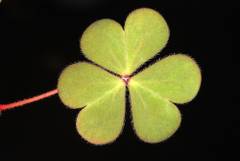
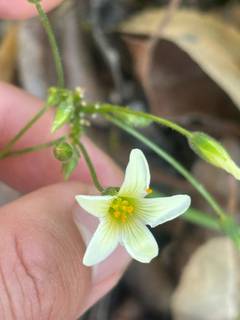
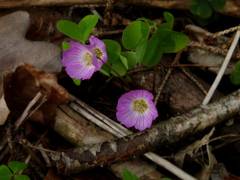
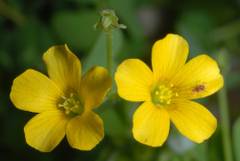
Oxalis oregana is redwood sorrel (Oregon oxalis), growing 4–8 inches (10–20 cm) tall and spreading 12–24 inches (30–60 cm) per plant by rhizomes to form a dense ground-cover carpet. Trifoliate (clover-like) leaves — each leaflet 1–1.5 inches (2.5–4 cm), heart-shaped. White to pale pink 5-petaled flowers 0.75 inch (18 mm) with pink veining on slender stems 3–6 inches (7–15 cm) in mid to late spring. The leaflets exhibit nyctinasty: they fold downward in response to direct sunlight (within minutes) and at night, re-opening in low light — this is an adaptive response to protect the photosynthetic cells from excessive light in the understory gaps. The dominant ground-cover species in old-growth coniferous forests of the Pacific Northwest — forming continuous carpets under western hemlock (Tsuga heterophylla), Douglas-fir (Pseudotsuga menziesii), and coast redwood (Sequoia sempervirens). The leaves contain oxalic acid (sour taste) — consumed in small quantities as a trail nibble by hikers, but large amounts can cause kidney irritation in sensitive individuals. Not the invasive weed oxalis (O. corniculata, O. pes-caprae). Requires acidic soil (pH 4.5–6.5) and consistent moisture. Tolerates deep shade — full sun causes leaf scorch and permanent wilting. Native to the Pacific Coast from British Columbia south through Washington, Oregon, and California. Deer-resistant. Zones 6–9. Growth rate is moderate.
Native Range
Native to the Pacific Coast from British Columbia south through Washington, Oregon, and California, growing as the dominant groundcover in old-growth coniferous forests (western hemlock, Douglas-fir, coast redwood).Suggested Uses
Grown as a shade groundcover under conifers and deciduous trees in zones 6–9 with acidic soil. Replicates the native old-growth forest floor. The nyctinastic leaf-folding response is a teaching feature. Not invasive weed oxalis. Deer-resistant. Native.How to Identify
Appearance
Size & Dimensions
Height4" - 8"
Width/Spread1' - 2'
Bloom Information
Mid to late spring (April–June), lasting 4–6 weeks. White to pale pink 5-petaled flowers with pink veining. The trifoliate ground-cover carpet persists spring through fall.
Detailed Descriptions
Flower Description
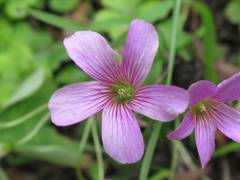
White to pale pink, 5-petaled, 0.75 inch (18 mm), with pink veiningFoliage Description
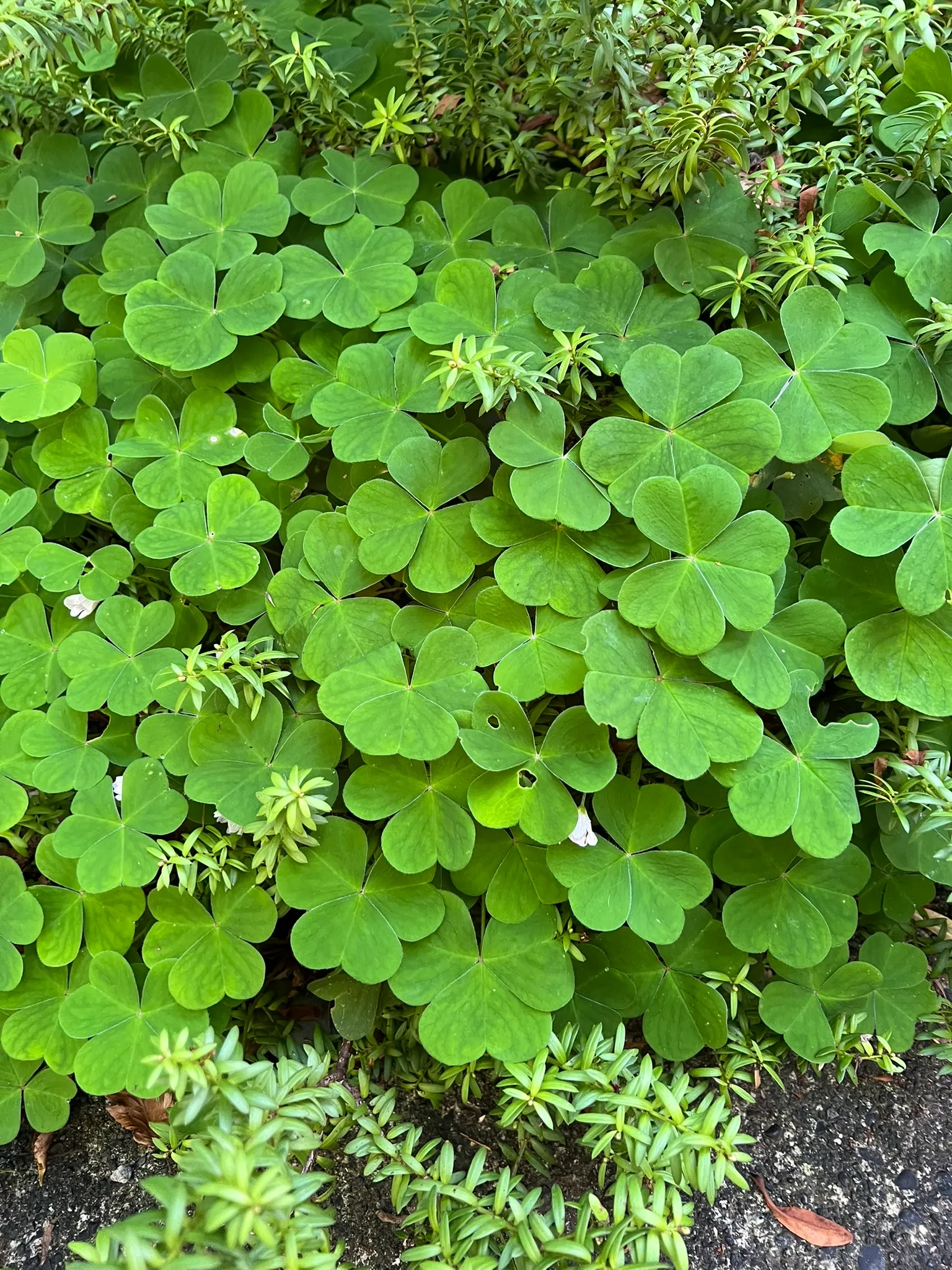
Medium green, trifoliate (clover-like), each leaflet 1-1.5 inches (2.5-4 cm), heart-shaped; some populations have purple-marked leafletsGrowing Conditions
Sun Requirements
Tolerates up to 3 hours of direct sunlight daily
• Full Sun: 6+ hours of direct sunlight
• Partial Shade: 3-6 hours of direct sunlight
• Full Shade: Less than 3 hours of direct sunlight
Care & Maintenance
Care Guide
Full shade to partial shade — full sun causes leaf scorch. Acidic soil pH 4.5–6.5. Consistent moisture. Spreads by rhizomes to form a ground-cover carpet. The leaflets fold in direct sunlight (nyctinasty). Not invasive weed oxalis. Non-toxic in small amounts (oxalic acid — avoid large quantities). Deer-resistant. Native. Zones 6–9.Pruning
No pruning needed. The rhizomatous ground-cover carpet is self-maintaining. Remove any dead foliage in early spring if needed.Pruning Schedule
Prune: July–August
summer
Container Growing
Suitable for container growing
Minimum container size: 2 gallons