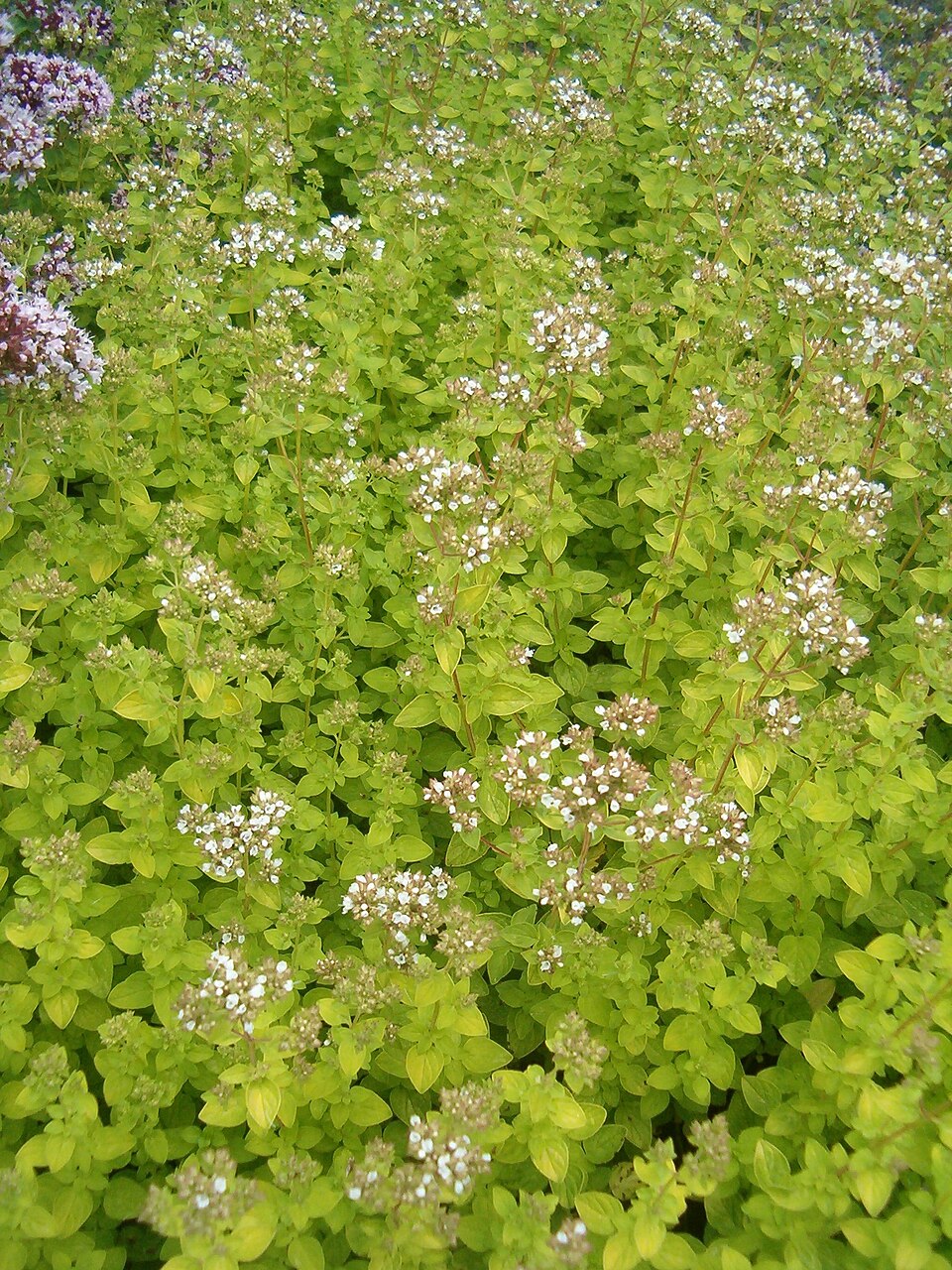
Origanum, Genus, vulgare, Species, 'Aureum', Cultivar,
- Genus & species
- Cultivar
golden oregano
Europe and western Asia (parent species range); the cultivar 'Aureum' is a golden-foliaged selection of European garden origin.
Overview
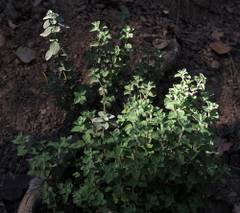
Origanum vulgare 'Aureum' is a golden-leaved cultivar of common oregano forming a low, spreading, semi-evergreen mound 6-12 inches (15-30 cm) tall and 12-18 inches (30-45 cm) wide. Leaves are oval, slightly fuzzy, 0.5-1 inch (1.5-2.5 cm) long, and emerge golden-yellow in spring in full sun, softening to yellow-green through summer or in shaded sites. Foliage releases a strong oregano scent when crushed or brushed. Small two-lipped flowers in pale pink to white appear in clusters at stem tips from July through August, drawing bees and hoverflies. Hardy in USDA zones 4-9 (-30°F / -34°C). The golden foliage bleaches in full afternoon sun above 90°F (32°C) in hot-summer regions; in cool maritime climates, the gold color holds through the full growing season. Foliage flavor is milder than that of Greek oregano (O. vulgare ssp. hirtum) but retains the characteristic oregano scent and is used as a culinary herb. All parts are listed as toxic to dogs and cats if ingested in quantity; the plant is non-toxic to humans and is used in cooking.
Native Range
Origanum vulgare (the parent species) is native to Europe and western Asia, where it grows on dry calcareous slopes, open scrub, and roadsides in sharply drained, alkaline soils. 'Aureum' is a golden-foliaged cultivar of European garden origin.Suggested Uses
Planted in herb gardens, rock gardens, border edges, and containers of 2 gallons (7.5 L) or more at 12-18 inch (30-45 cm) spacing in USDA zones 4-9. The gold foliage contrasts with purple-leaved herbs such as purple basil and purple sage and with blue-flowered companions. The species is used as a culinary herb with a milder flavor than O. vulgare subsp. hirtum (Greek oregano). All parts are listed as toxic to pets if ingested in quantity. Not grown in wet heavy soils, where stems rot and foliage color is muted.How to Identify
Appearance
Size & Dimensions
Height6" - 1'
Width/Spread1' - 1'6"
Bloom Information
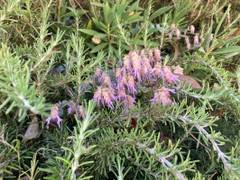
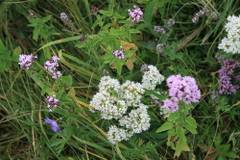
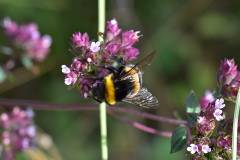
Small pale pink to white two-lipped flowers in clusters at stem tips open July through August in USDA zones 4-9, with a total bloom span of 4-5 weeks. Flowers are secondary ornamentally to the foliage color but draw bees and hoverflies. Cutting the plant back by half immediately after bloom produces a flush of fresh golden foliage that colors more saturated as cool fall weather arrives.
Detailed Descriptions
Flower Description
Pale pink to white two-lipped flowers in small clusters on stem tips; July-AugustFoliage Description
Golden-yellow in spring and full sun, softening to yellow-green in summer or shade; small oval, slightly fuzzy, 0.5-1 inch (1.5-2.5 cm)Growing Conditions
Sun Requirements
Requires 4-8 hours of direct sunlight daily
• Full Sun: 6+ hours of direct sunlight
• Partial Shade: 3-6 hours of direct sunlight
• Full Shade: Less than 3 hours of direct sunlight
Care & Maintenance
Care Guide
Plants grow in full sun to light shade in lean, sharply drained, neutral to alkaline soil with a pH of 6.0-8.0, including chalk. Hardy in USDA zones 4-9 (-30°F / -34°C). In rich or moist soils, stems become soft and sprawling, flavor is diluted, and foliage color is muted. Drought tolerant once established. In hot-summer regions with afternoon temperatures above 90°F (32°C), light afternoon shade prevents foliage bleaching; in cool maritime climates, full sun maintains the most saturated gold color. Regular harvest of stem tips for culinary use keeps plants compact and maintains color. All parts are listed as toxic to dogs and cats if ingested in quantity.Pruning
Cut the plant back by half immediately after flowering in August to produce a flush of fresh gold foliage. In early spring, cut back winter-damaged or woody stems to 2-3 inches (5-8 cm) above the crown before new growth begins. Regular harvest of stem tips for culinary use functions as ongoing pruning. Divide every 3-4 years in early spring when plants become woody at the center.Pruning Schedule
Prune: March & August
summerearly spring
Container Growing
Suitable for container growing
Minimum container size: 2 gallons