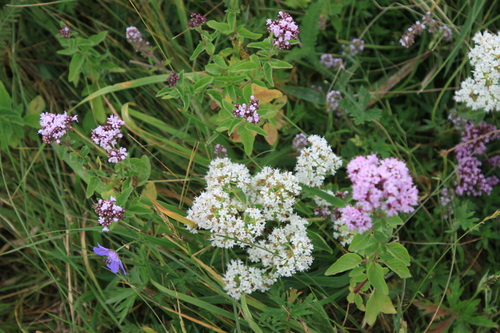
Origanum, Genus, spp., Multiple species,
- Genus
- Multiple species
marjorams
Mediterranean region and western to central Asia
Overview
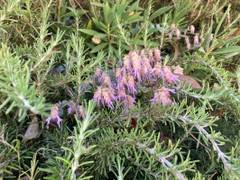
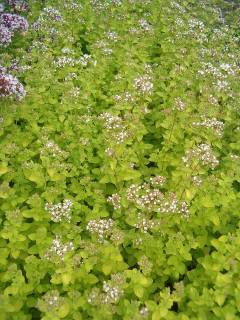
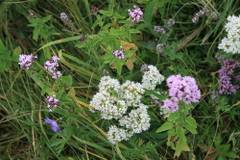
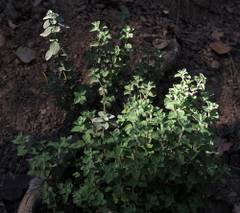
Origanum is a genus of about 45 aromatic perennials and subshrubs in the mint family (Lamiaceae), native to the Mediterranean region and western to central Asia. The genus includes the culinary herbs oregano (O. vulgare) and sweet marjoram (O. majorana) as well as ornamental species such as O. laevigatum and the dittany of Crete (O. dictamnus). Plants range from 10 cm (4 in) creeping forms to upright subshrubs about 80 cm (32 in) tall, with paired, often hairy, ovate leaves that release a warm, spicy scent when bruised. Small tubular flowers in white, pink, or purple are carried in clusters or short spikes through summer; in several ornamental species papery pink or purple bracts surround the flowers and last well after the blooms fade. The aromatic oils, rich in carvacrol and thymol, give the culinary species their flavour and deter many grazing animals. Most species grow on dry, sunny, often limey slopes and tolerate heat, drought, and poor soil once established. Cold hardiness varies, from oregano hardy to about USDA zone 5 to frost-tender species from the eastern Mediterranean.
Native Range
Origanum is native to the Mediterranean Basin, North Africa, and western and central Asia, with the greatest concentration of species in Greece, Turkey, and the eastern Mediterranean. Oregano has naturalised widely beyond this range.Suggested Uses
Origanum species are grown as culinary herbs and as drought-tolerant plants for sunny borders, herb gardens, gravel gardens, rockeries, and containers. Trailing and bract-bearing species are planted at the front of beds and along wall tops, where bees and butterflies work the flowers. The aromatic foliage is used fresh or dried in cooking.How to Identify
Appearance
Size & Dimensions
Height4" - 2'8"
Width/Spread8" - 2'
Bloom Information
Flowering runs through summer, roughly June to September, with the small flowers drawing many bees and butterflies. In the bract-bearing ornamental species the coloured bracts appear with the flowers and persist into autumn. Plants often rebloom after a midsummer trim.
Detailed Descriptions
Flower Description
white, pink, or purpleFoliage Description
green to grey-greenGrowing Conditions
Sun Requirements
Requires 6-10 hours of direct sunlight daily
• Full Sun: 6+ hours of direct sunlight
• Partial Shade: 3-6 hours of direct sunlight
• Full Shade: Less than 3 hours of direct sunlight
Water & Climate
Water Needs
Drought Tolerance
Drought tolerant when established
Care & Maintenance
Care Guide
Plants grow in full sun on light, sharply drained soil at a pH of 6.0-8.0 and tolerate chalk and poor ground. Once established they need little water and withstand heat and drought, while damp, heavy soil in winter causes crown rot. Hardiness spans roughly USDA zones 5 to 10 depending on the species. Cutting plants back after flowering keeps them compact and can bring a second flush. Golden-leaved oregano cultivars hold their colour better with some shade during the hottest part of the day.Pruning
A hard trim after the main flowering removes spent stems and encourages fresh, compact growth. Herbaceous species are cut to near ground level in late autumn or early spring. Regular light picking of culinary species keeps them bushy and productive.Container Growing
Suitable for container growing
Minimum container size: 2 gallons