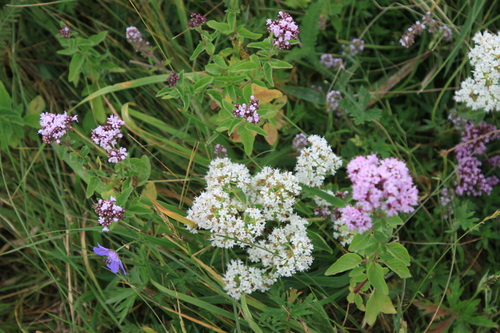
Origanum, Genus, vulgare, Species,
- Genus & species
Oregano
Mediterranean region, western and Central Asia; rocky well-drained soils and dry grasslands at low to moderate elevations
Overview
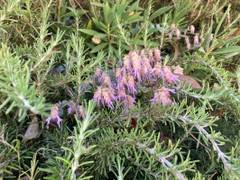
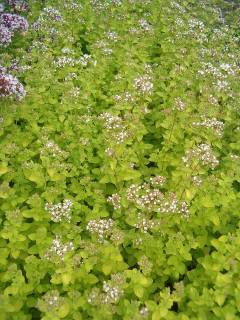
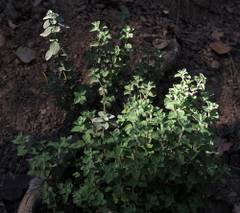
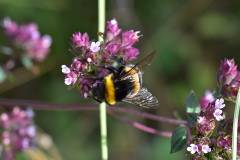
Origanum vulgare is oregano (wild marjoram), a woody-based perennial herb growing 12-24 inches (30-60 cm) tall and 18-24 inches (45-60 cm) wide. Dark green oval to elliptic glandular leaves 0.5-1 inch (1.2-2.5 cm) with a pungent aromatic scent concentrated in hot dry conditions. Pink to purple tubular two-lipped flowers 0.2-0.3 inch (5-8 mm) in dense terminal clusters with reddish-purple bracts from July through September — the bracts are often more colorful than the petals. In the mint family (Lamiaceae). The stems become woody at the base with age. Semi-evergreen: the woody base persists with some foliage in mild winters; deciduous in zones 4-5. Flavor intensity varies significantly among seed-grown plants — vegetatively propagated selections or specifically labeled culinary cultivars (e.g., 'Greek' or 'Italian' types) produce more consistent flavor. Wet heavy soil or shade causes decline and reduced flavor concentration — lean dry soil with full sun concentrates the volatile oils. Distinguished from Thymus by larger leaves and taller habit; distinguished from sweet marjoram (Majorana hortensis) by a more pungent scent. Divide every 2-3 years to maintain vigor. Non-toxic (edible culinary herb). Deer-resistant (aromatic). Drought-tolerant once established. Full sun. Zones 4-10. Growth rate is moderate.
Native Range
Native to the Mediterranean region, western and Central Asia, growing in rocky well-drained soils, dry grasslands, and scrubland at low to moderate elevations.Suggested Uses
Grown in herb gardens, raised beds, rock gardens, and containers of at least 2 gallons (8 L). Culinary herb. The reddish-purple bracts and pink flowers add summer color. Lean dry soil. Deer-resistant (aromatic). Drought-tolerant. Non-toxic. Zones 4-10.How to Identify
Appearance
Size & Dimensions
Height1' - 2'
Width/Spread1'6" - 2'
Bloom Information
Detailed Descriptions
Flower Description
Pink to purple, tubular two-lipped, 0.2-0.3 inch (5-8 mm), in dense terminal clusters with reddish-purple bractsFoliage Description
Dark green, oval to elliptic, glandular, 0.5-1 inch (1.2-2.5 cm); aromatic when crushedGrowing Conditions
Sun Requirements
Requires 6-12 hours of direct sunlight daily
• Full Sun: 6+ hours of direct sunlight
• Partial Shade: 3-6 hours of direct sunlight
• Full Shade: Less than 3 hours of direct sunlight
Care & Maintenance
Care Guide
Full sun (6+ hours). Lean well-drained to dry soil — wet heavy soil causes decline. Tolerates alkaline conditions (pH to 8.0). Water weekly until established; drought-tolerant once established. Avoid rich soil — lush growth reduces flavor concentration. Cut back to 4-6 inches (10-15 cm) in early spring. Harvest frequently. Divide every 2-3 years. Non-toxic. Deer-resistant. Zones 4-10.Pruning
Cut back to 4-6 inches (10-15 cm) in early spring (March-April) to remove winter-damaged wood and stimulate new growth. Shear lightly after flowering in late summer (August-September) for compact form. Frequent harvest throughout the growing season delays flowering and maintains vegetative growth.Pruning Schedule
Prune: March–April & August–September
early springsummerfall
Container Growing
Suitable for container growing
Minimum container size: 2 gallons