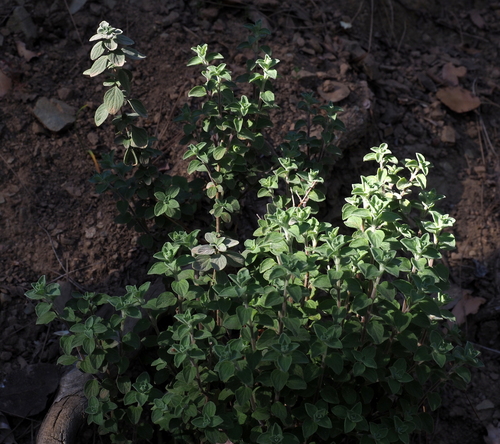
Origanum, Genus, majorana, Species,
- Genus & species
sweet marjoram
Native to the Mediterranean region and western Asia, specifically Turkey, Cyprus, and surrounding areas where the species grows in dry rocky scrubland and open hillsides; widely cultivated as a culinary herb across temperate gardens for the sweet warm flavor profile that separates the species from the sharper {O. vulgare} (oregano); the species is hardy only to USDA zone 9, so most of North America grows the plant as an annual or as a container plant brought indoors for winter dormancy
Overview
Origanum majorana is a tender perennial in the mint family (Lamiaceae) hardy to USDA zone 9 and typically grown as an annual in most of North America, reaching 12-18 inches (30-45 cm) tall with a 12-15 inch (30-38 cm) spread and a compact bushy mounding habit. Native to the Mediterranean and western Asia (Turkey, Cyprus), the species carries small oval grey-green velvety leaves 0.5-1 inch (1-2.5 cm) long on square stems with a sweet warm flavor — milder and sweeter than oregano (O. vulgare), with pine and citrus undertones. The aromatic compounds are primarily sabinene and terpinene, separating sweet marjoram from oregano's carvacrol-dominant volatile profile. Tiny white to pink flowers in knot-like clusters give the species the common name 'knotted marjoram'. Days to first harvest 60-80 from seed. Growth rate is slow initially, then moderate.
Native Range
Origanum majorana is native to the Mediterranean region and western Asia, specifically Turkey, Cyprus, and surrounding areas.Suggested Uses
Grown in herb gardens, containers of 2 gallons or more, or borders for culinary use — Mediterranean cuisine, sausages, stuffings, soups, herb butter, tea, and dried herb blends. Sweeter and milder than oregano with pine and citrus undertones. The species is one of the four herbs in French herbes de Provence (alongside thyme, rosemary, and savory). Knot-like flowers. 60-80 days from seed. Tender and killed by frost — grown as an annual in most of North America. Slow germination requires the indoor seed-starting head start. Not suited to cold-winter gardens without season extension or indoor overwintering.How to Identify
Appearance
Size & Dimensions
Height1' - 1'6"
Width/Spread1' - 1'3"
Bloom Information
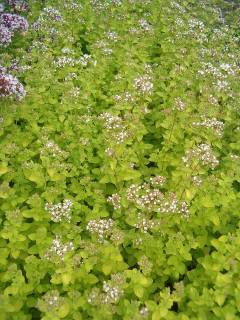
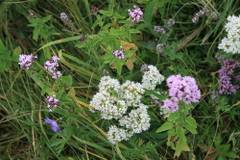
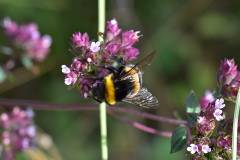
Tiny white to pink flowers carried in knot-like clusters from midsummer through fall. The knotted bud clusters give the species its alternative common name 'knotted marjoram' across English-speaking herb traditions. Flowers attract pollinators including honeybees and butterflies. The leaf flavor is strongest just before flowers open, which is the harvest target stage for culinary use.
Detailed Descriptions
Flower Description
White to pink tiny flowers carried in knot-like clusters from midsummer through fall — the knotted bud cluster gives the species its alternative common name 'knotted marjoram' across English-speaking herb traditionsFoliage Description
Grey-green small oval velvety leaves 0.5-1 inch (1-2.5 cm) long carried on square stems typical of the mint family (Lamiaceae)Growing Conditions
Sun Requirements
Requires 6-10 hours of direct sunlight daily
• Full Sun: 6+ hours of direct sunlight
• Partial Shade: 3-6 hours of direct sunlight
• Full Shade: Less than 3 hours of direct sunlight
Care & Maintenance
Care Guide
Start seed indoors 8-10 weeks before last frost since germination is slow (7-14 days). Transplant after all frost danger has passed. Grows in full sun in well-drained lean to moderate soil at pH 6.5-7.5. Drought-tolerant once established and the cultivar is sensitive to overwatering — wet soil causes root rot in clay or low-drainage settings. Days to first harvest 60-80 from seed. Harvest before flowers open for the strongest flavor. Tender — killed by frost. Plants are potted and brought indoors for winter overwintering in cold climates, then returned outdoors after the last spring frost.Pruning
Harvest by cutting stems above a leaf node — the cut triggers bushy regrowth from the leaf-axil buds below. Cut up to one-third of the plant at a time. Harvest before flowering for peak culinary flavor.Pruning Schedule
Prune: June–August
summer
Container Growing
Suitable for container growing
Minimum container size: 2 gallons