Mentha, Genus, canadensis, Species,
- Genus & species
wild mint
Overview
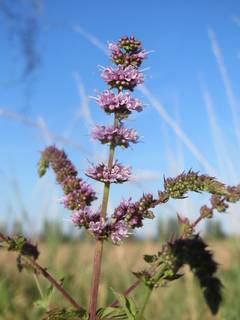
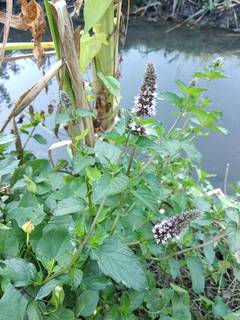
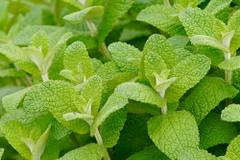
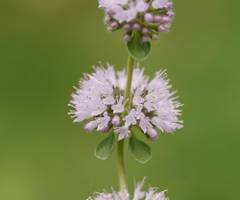
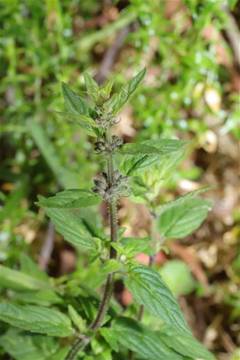
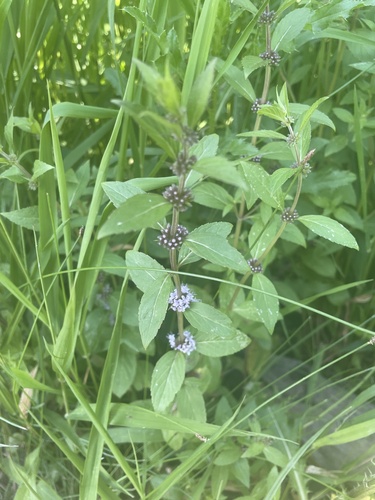
A herbaceous rhizomatous perennial reaching 6-24 inches (15-60 cm) tall with square stems and aromatic foliage. Leaves opposite, lance-shaped to oblong, 1-3 inches (2.5-7.5 cm) long, with serrate margins, light to medium green with sparse short hairs on both surfaces. Flowers borne in dense whorls (verticillasters) at upper leaf axils rather than terminal spikes; each whorl contains 30-50 small flowers, individual flowers 0.15-0.25 inch (4-6 mm) long, pale purple to lavender-pink. Other true mints found in North America are introduced from Europe and Asia. Plants spread aggressively by underground rhizomes, expanding 1-2 feet (30-60 cm) per year in moist soil and forming dense colonies. All parts emit a strong spearmint-to-peppermint scent when crushed; the chemistry varies by population and includes menthol, menthone, and pulegone. Stems die back to ground level by mid-autumn; new shoots emerge from rhizomes in early spring. In zones 8-9, foliage may persist into early winter.
Native Range
Native to most of North America from Alaska and Canada south through the United States to northern Mexico, except for the southeastern coastal plain and parts of the southwest. Found in wet meadows, marsh edges, streambanks, and ditches at sea level to 9,000 feet (2,750 m) elevation. Also occurs across northern and eastern Asia.Suggested Uses
Commonly planted in herb gardens, rain gardens, and the moist edges of pond and stream plantings at 12-18 inch (30-45 cm) spacing. Suitable for containers of at least 3 gallons (11 L) where the rhizomatous habit is contained. Foliage has been used historically in tea, traditional medicine, and as a flavoring across the Indigenous range of the species.How to Identify
Appearance
Size & Dimensions
Height6" - 2'
Width/Spread1' - 3'
Bloom Information
Detailed Descriptions
Flower Description
pale purple to lavender-pinkFoliage Description
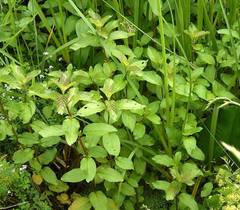
medium greenGrowing Conditions
Sun Requirements
Requires 4-8 hours of direct sunlight daily
• Full Sun: 6+ hours of direct sunlight
• Partial Shade: 3-6 hours of direct sunlight
• Full Shade: Less than 3 hours of direct sunlight
Care & Maintenance
Care Guide
Plant rhizome divisions or container-grown starts in spring or autumn into consistently moist soil. Established plantings tolerate periods of 1-2 weeks without rain, but stems wilt and bloom is reduced in prolonged drought. Rhizomes spread 1-2 feet (30-60 cm) per year in moist soil; root barriers are commonly installed in mixed plantings to limit spread. Powdery mildew and rust (Puccinia menthae) develop in humid sites with restricted airflow; cutting plants to ground level after flowering reduces disease carryover. Mint flea beetle (Longitarsus waterhousei) feeds on leaves in some regions but rarely defoliates plants. Plants persist indefinitely in suitable wet sites through rhizome regeneration.Pruning
Cut entire plant to 2 inches (5 cm) above the soil after flowering in autumn to reduce overwintering disease and stimulate fresh growth the following spring. Mid-season trimming by 30-50% in July promotes denser foliage and a second flush of bloom. Remove spreading rhizomes from outside the planting area twice per growing season to limit colony expansion.Pruning Schedule
Prune: July & October
summerfall
Container Growing
Suitable for container growing
Minimum container size: 3 gallons