Mentha, Genus, spp., Multiple species,
- Genus
- Multiple species
mints
Temperate Eurasia, Africa, Australia, with one species in North America
Overview
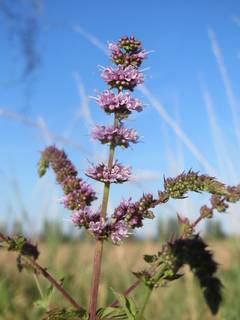
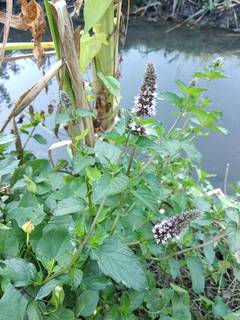
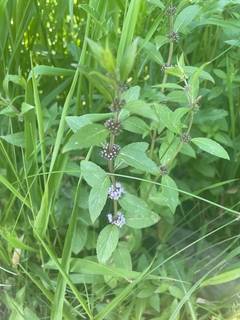
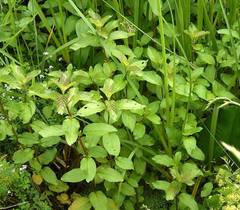
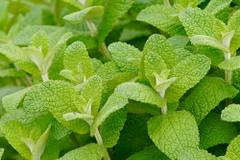
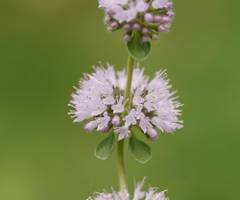
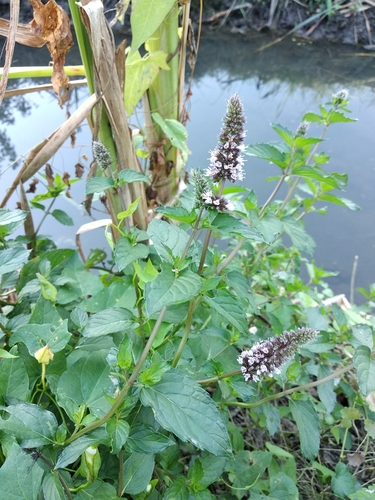
Mentha is a genus of about 18 to 25 species of aromatic perennial herbs in the mint family, Lamiaceae, native across temperate Eurasia, Africa, and Australia, with one species native to North America. Plants have the square stems and opposite, paired leaves typical of the family, and every part releases a strong scent when crushed from oil glands in the foliage. Vigorous, far-creeping rhizomes spread the plants quickly, and clumps 12–36 in (30–90 cm) tall can colonize wide areas and crowd out neighbors. Small two-lipped flowers in white, pink, or lilac are massed in whorls that form spikes or rounded clusters at the stem tips and in the leaf axils. The genus hybridizes freely, and several common mints, including peppermint M. ×piperita, are sterile hybrids spread only by division. Spearmint M. spicata and other species are grown for culinary leaves and for essential oils. Pennyroyal M. pulegium produces an oil that is toxic to people and animals. Because of their running roots, most mints are grown in containers or contained beds to limit spread. The genus grows in damp ground along streams, ditches, and meadows.
Native Range
Mentha is native across Europe, Asia, Africa, and Australia, with wild mint M. canadensis, also treated as M. arvensis, native to North America. Many cultivated mints originate in Europe and the Mediterranean. Several species and hybrids have naturalized worldwide along watercourses and in damp ground.Suggested Uses
Mentha species are grown as culinary herbs for leaves used in cooking, teas, and drinks, and several yield commercial essential oils. In gardens they are confined to containers, herb beds, or damp problem areas where their spread is wanted. The flowers attract bees, hoverflies, and butterflies.How to Identify
Appearance
Size & Dimensions
Height6" - 3'
Width/Spread1' - 3'
Bloom Information
Most Mentha species flower from midsummer into early autumn, roughly July to September, in dense whorls of small white to lilac flowers. The flower spikes last several weeks and draw many bees and other insects. Removing the flowering tips keeps culinary plants producing tender leaves. Sterile hybrid mints flower but set no viable seed.
Detailed Descriptions
Flower Description
white, pink, or lilacFoliage Description
greenGrowing Conditions
Sun Requirements
Requires 4-8 hours of direct sunlight daily
• Full Sun: 6+ hours of direct sunlight
• Partial Shade: 3-6 hours of direct sunlight
• Full Shade: Less than 3 hours of direct sunlight
Care & Maintenance
Care Guide
Mentha species grow in full sun to part shade in moist, fertile soil with a pH around 6.0 to 7.5, and most prefer steady moisture and tolerate damp ground. They spread aggressively by rhizomes and can overrun beds, so they are usually grown in pots or sunk containers to limit their reach. Plants need little feeding and grow quickly once established. Cutting plants back during the season keeps growth leafy and prompts fresh shoots. Rust disease can affect the foliage in crowded, damp conditions. Most species are hardy in USDA zones 3 to 9 and die back to the roots over winter.Pruning
Mentha species are cut back hard during the growing season to produce fresh, leafy growth and to remove flowering stems. Plants are sheared to the ground in late autumn after they die back. Lifting and dividing congested clumps every 2 to 3 years renews vigor and controls the spread of rhizomes.Container Growing
Suitable for container growing
Minimum container size: 2 gallons