Mentha, Genus, spicata, Species,
- Genus & species
spearmint
Overview
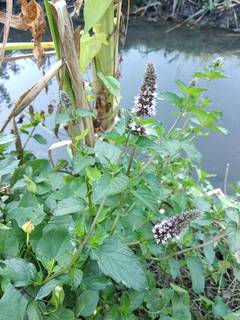
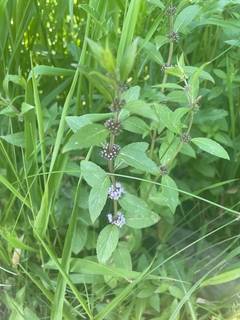
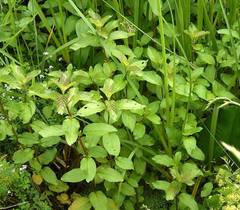
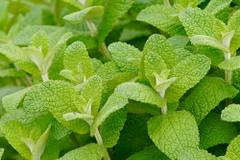
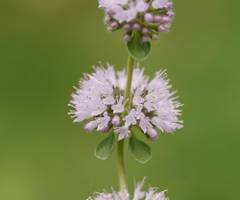
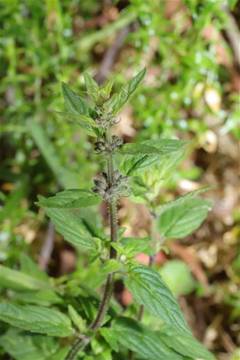
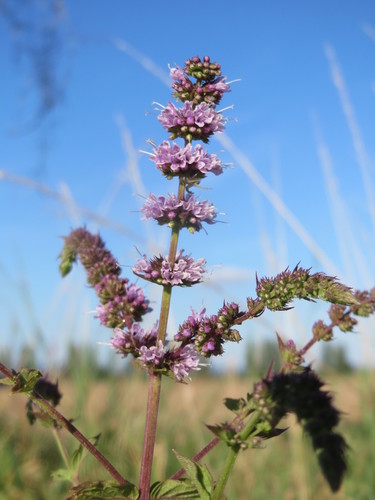
Mentha spicata is a vigorous, rhizomatous, spreading perennial herb in the mint family (Lamiaceae) reaching 12–24 inches (30–60 cm) tall with a 24–48 inch (60–120 cm) spread, colonizing rapidly via underground stolons and surface runners. Stems are square, erect, green (not reddish-purple like M. × piperita), smooth to sparsely hairy. Leaves are opposite, ovate to lance-shaped, 1–3.5 inches (2.5–9 cm) long, bright green, wrinkled (rugose), with sharply toothed margins and sessile or nearly sessile attachment. The sweet spearmint scent is from carvone (60–70% of essential oil), which produces a warm, sweet sensation without the cooling menthol effect of peppermint. Flowers are lavender to white, small, tubular, two-lipped, in dense terminal spikes 2–4 inches (5–10 cm) long, tapering to a point. Unlike M. × piperita, spearmint is a true species that produces viable seed, contributing to its naturalization. The aggressive stoloniferous spread is the primary management concern — a single plant can colonize 4+ square feet (0.4+ m²) per season. Container culture is recommended.
Native Range
Native to Europe and western Asia, occurring in moist habitats, roadsides, and waste ground. Cultivated for at least 2,000 years. Widely naturalized across temperate North America in moist habitats, ditches, and stream margins.Suggested Uses
Planted in herb gardens, balcony containers, kitchen windowsill gardens. Container culture is the standard recommendation. Fresh leaves are used in mojitos, teas, tabbouleh, lamb dishes, chutneys, and Middle Eastern/Southeast Asian cuisine. The carvone-versus-menthol comparison with peppermint is a standard sensory identification exercise. Spearmint is the traditional culinary mint; peppermint is the traditional medicinal/confection mint.How to Identify
Appearance
Size & Dimensions
Height1' - 2'
Width/Spread2' - 4'
Bloom Information
Flowers from July through September. Dense terminal spikes bloom over 3–4 weeks. Pollinated by bees and butterflies. Unlike the sterile M. × piperita, spearmint produces viable seed, contributing to naturalization. Cut back before flowering to maximize leaf essential oil content.
Detailed Descriptions
Flower Description
Lavender to whiteFoliage Description
Bright green, ovate to lance-shaped, wrinkled (rugose), with toothed margins and a sweet spearmint scent; sessile or nearly soGrowing Conditions
Sun Requirements
Requires 3-8 hours of direct sunlight daily
• Full Sun: 6+ hours of direct sunlight
• Partial Shade: 3-6 hours of direct sunlight
• Full Shade: Less than 3 hours of direct sunlight
Care & Maintenance
Care Guide
Plant divisions or rooted stolons in spring, spacing 18 inches (45 cm) apart. Container culture (3+ gallon) is strongly recommended. In ground plantings, install root barriers to 12 inches (30 cm) depth. Consistent moisture produces the most vigorous growth. Harvest stems before flowering for the strongest flavor. Cut to 2 inches (5 cm) above the crown after first flowering to stimulate fresh growth and prevent seed set. Divide clumps every 2–3 years. In the Pacific Northwest, spearmint grows vigorously in the moist climate and escapes into moist disturbed sites.Pruning
Cut all stems to 2 inches (5 cm) above the crown after first flowering (July). Cut to ground level in late fall or early spring. Harvest regularly throughout the growing season. Remove any stolons escaping containers or root barriers.Pruning Schedule
Prune: March–April & July
early springsummer
Container Growing
Suitable for container growing
Minimum container size: 3 gallons
Toxicity
Non-toxicPlanting Guide
Planting Methods & Timing
Planting Method
transplant
Days to Maturity
90–120 days
Plant Spacing
18 inches