Melaleuca, Genus, nodosa, Species,
- Genus & species
prickly-leaved paperbark
Overview
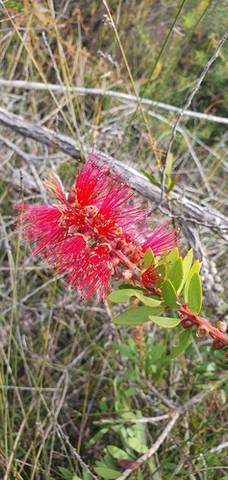
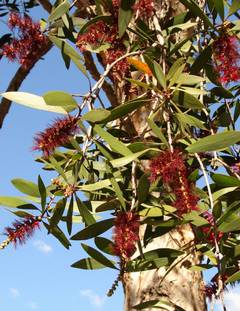
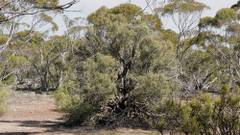
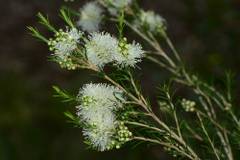
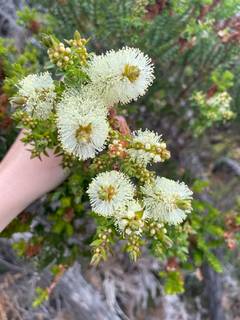
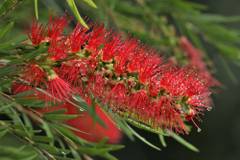
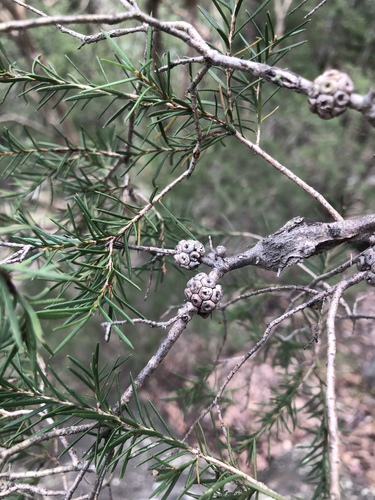
Melaleuca nodosa is an evergreen shrub or small tree reaching 3-10 feet (1-3 m) tall and 3-8 feet (1-2.5 m) wide, with an upright bushy form and papery, flaking grey bark on older stems. The leaves are narrow and needle-like, 0.4-1 inch (1-2.5 cm) long, stiff, and tipped with a sharp point, crowded and spreading along the branches. Pale yellow to cream globular flower clusters 0.6-1 inch (1.5-2.5 cm) across form at the branch tips in spring and early summer. Woody seed capsules cluster in knobbly clumps along the older stems and persist for years. Growth is moderate to fast, and plants form a dense bush within 3-4 years. The pointed leaves are prickly to handle. The species tolerates sandy, wet, and salty soils but needs an open, sunny position to flower well.
Native Range
Native to eastern Australia, along the coast and ranges of New South Wales and Queensland. Grows in heath, woodland, and swamp margins on sandy and clay soils, tolerating seasonal waterlogging and coastal exposure.Suggested Uses
Planted as an informal hedge, screen, windbreak, or bank stabiliser in coastal and low-lying gardens, spaced 3-6 feet (0.9-1.8 m) apart. Used in revegetation of sandy and swampy sites and to draw nectar-feeding birds and insects. The prickly foliage limits use beside paths and seating.How to Identify
Appearance
Size & Dimensions
Height3' - 10'
Width/Spread3' - 8'
Bloom Information
Detailed Descriptions
Flower Description
pale yellow to creamFoliage Description
greenGrowing Conditions
Sun Requirements
Requires 6-8 hours of direct sunlight daily
• Full Sun: 6+ hours of direct sunlight
• Partial Shade: 3-6 hours of direct sunlight
• Full Shade: Less than 3 hours of direct sunlight
Care & Maintenance
Care Guide
Plant in full sun to light shade in most soils, including sandy, clay, wet, and salty ground that many plants cannot tolerate. Water through the first season to establish; established plants handle both seasonal waterlogging and dry spells. Plants are frost hardy in their coastal range and tolerate wind and salt spray. Apply only low-phosphorus fertilizer, as the species is sensitive to phosphorus. Tip-feeding insects and scale can affect stressed plants. The prickly foliage makes pruning and handling awkward.Pruning
Tip-prune after flowering to keep the bush dense, as the species reshoots well from old wood. Plants tolerate harder cutting for hedging or rejuvenation. Light trimming each year maintains a compact shape.Pruning Schedule
Prune: July
summer
Container Growing
Suitable for container growing
Minimum container size: 7 gallons