Melaleuca, Genus, squarrosa, Species,
- Genus & species
scented paperbark
Overview
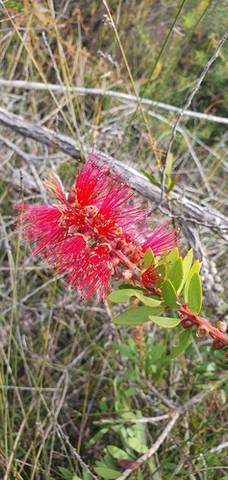
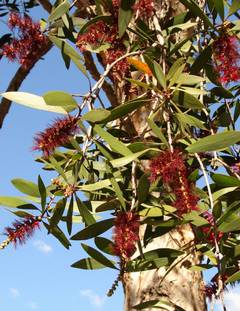
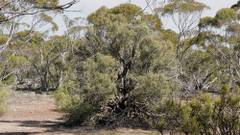
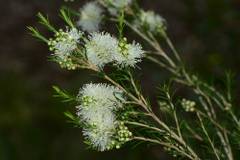
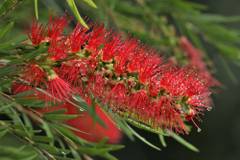
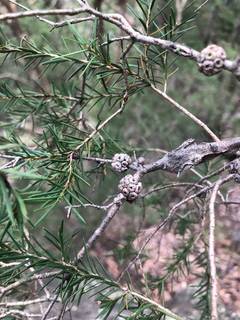
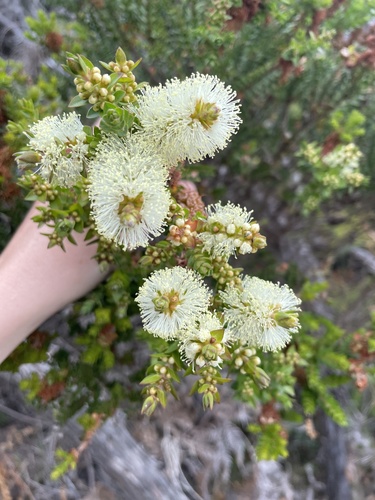
Melaleuca squarrosa is an evergreen shrub or small tree in the myrtle family reaching 8-20 feet (2.5-6 m) tall and 6-13 feet (1.8-4 m) wide, with an upright, densely branched habit and papery, layered bark on older stems. Leaves are opposite in four ranks, small, oval to triangular, 0.2-0.5 inch (5-12 mm) long, pointed and overlapping along the stems, dark green and aromatic when crushed. Cream to pale yellow bottlebrush flower spikes 0.8-1.6 inches (2-4 cm) long form at or near the stem tips, scented, mainly in spring and early summer. Woody cup-shaped fruit capsules cluster along the stems and persist for years. Growth is moderate to fast, with plants reaching several feet in 3-4 years. The species tolerates wet, poorly drained, and seasonally flooded soils that few shrubs accept, but it grows more slowly in dry sites and can become dense and twiggy without pruning.
Native Range
Native to south-eastern Australia, occurring in New South Wales, Victoria, Tasmania, and South Australia. Grows in swamps, wet heath, and along creeks and drainage lines on peaty and sandy soils that are often waterlogged, from near sea level to about 3,300 feet (1,000 m).Suggested Uses
Planted in wet and boggy areas, rain gardens, screens, and habitat plantings where few other shrubs tolerate the conditions, spaced 5-10 feet (1.5-3 m) apart. The dense growth and nectar-rich flowers shelter and feed small birds and insects. Slow growth in dry soil limits its use in low-water gardens.How to Identify
Appearance
Size & Dimensions
Height8' - 20'
Width/Spread6' - 13'
Bloom Information
Detailed Descriptions
Flower Description
Cream to pale yellowFoliage Description
Dark greenGrowing Conditions
Sun Requirements
Requires 5-10 hours of direct sunlight daily
• Full Sun: 6+ hours of direct sunlight
• Partial Shade: 3-6 hours of direct sunlight
• Full Shade: Less than 3 hours of direct sunlight
Care & Maintenance
Care Guide
Grows in full sun to part shade in moist to wet soils, including clay, peat, and seasonally flooded ground. Water regularly until established; mature plants tolerate both waterlogging and short dry spells but grow slowly in dry soil. Pruning after flowering keeps the canopy dense and prevents a twiggy, open form. Few serious pests affect it, though scale and sooty mould appear on shaded or stressed stems. It reshoots strongly from old wood, including from the base, after hard pruning.Pruning
Prune after flowering to shape the plant and maintain density, cutting back the spent flower stems and up to one-third of the growth. The plant reshoots reliably from old wood and from the base. Light yearly trimming prevents the twiggy, open habit of unpruned plants.Pruning Schedule
Prune: December–January
summer
Container Growing
Suitable for container growing
Minimum container size: 10 gallons