Melaleuca, Genus, styphelioides, Species,
- Genus & species
prickly-leaved paperbark
Overview
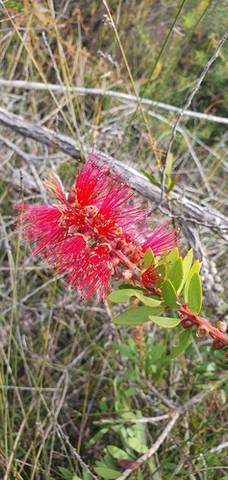
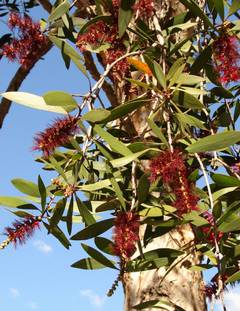
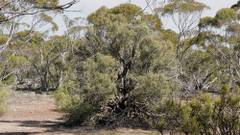
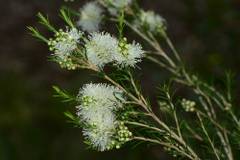
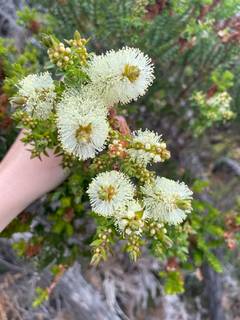
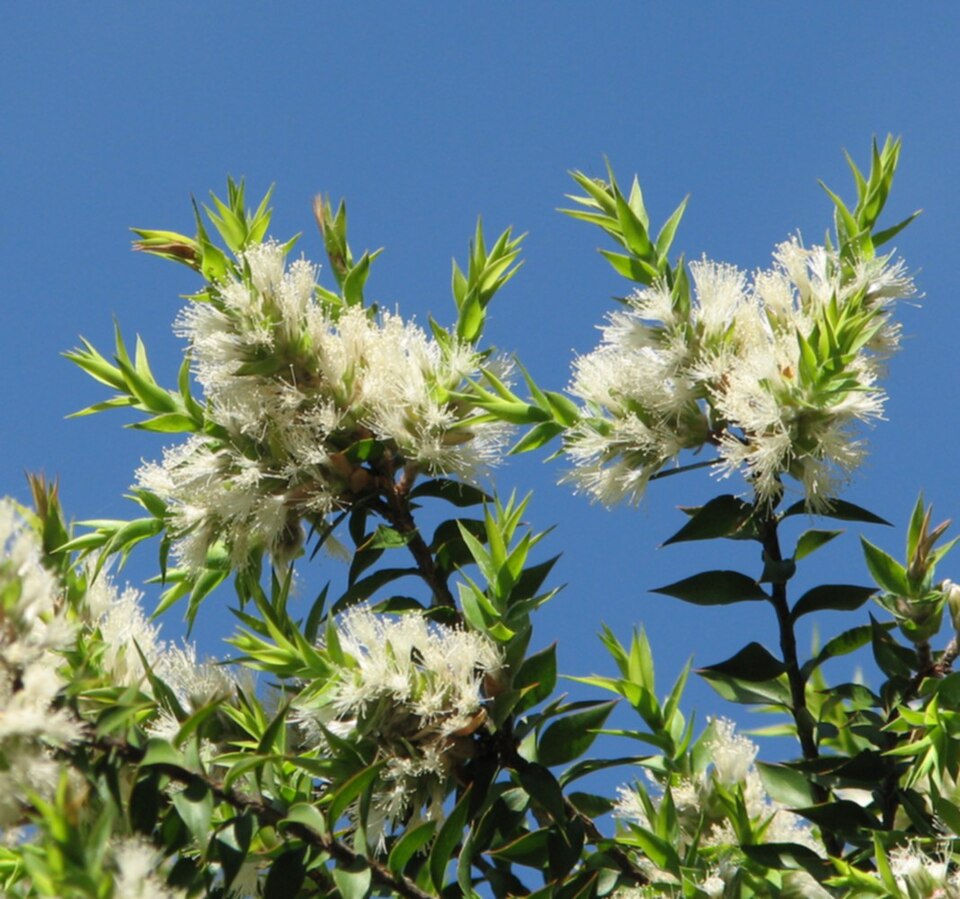
Melaleuca styphelioides is an evergreen tree reaching 8-20 m (26-66 ft) tall with a dense, often weeping crown and a trunk clothed in white to grey-brown papery bark that peels in thin layers. The leaves are small, 5-15 mm (0.2-0.6 in) long, twisted, stiff, and ending in a sharp point, crowded along the branchlets. Creamy white to pale yellow flowers are held in cylindrical spikes 2-5 cm (0.8-2 in) long, each spike packed with bundles of stamens that create a bottlebrush form; flowering occurs mainly in summer. After flowering, small woody cup-shaped capsules 2-3 mm wide develop in clusters along the stems and persist for several years. Growth is moderate to rapid on moist soils, often 0.5-1 m (1.5-3 ft) per year when young. The species tolerates seasonal waterlogging, mild salinity, and light frost, but the rigid pointed leaves are a hazard near paths, and the shallow roots may lift paving. It occurs naturally along watercourses and on swamp margins.
Native Range
Native to eastern Australia, from southeastern Queensland through New South Wales, where it grows along rivers, creeks, and on swamp margins on alluvial and clay soils that experience periodic flooding.Suggested Uses
Planted as a street and park tree, in wet or poorly drained sites, and for screening, spaced 4-6 m (13-20 ft) apart. The papery bark and dense crown suit it to large gardens and watercourse plantings. The rigid pointed foliage limits its use close to play areas and narrow walkways.How to Identify
Appearance
Size & Dimensions
Height26' - 66'
Width/Spread20' - 40'
Bloom Information
Flowers in summer, mainly December to February in eastern Australia, with the main flush lasting 3-5 weeks. Spikes open over several days as successive stamen bundles expand. Warm conditions and reliable soil moisture support heavier flowering.
Detailed Descriptions
Flower Description
creamy white to pale yellowFoliage Description
greenGrowing Conditions
Sun Requirements
Requires 6-12 hours of direct sunlight daily
• Full Sun: 6+ hours of direct sunlight
• Partial Shade: 3-6 hours of direct sunlight
• Full Shade: Less than 3 hours of direct sunlight
Care & Maintenance
Care Guide
Grow in full sun to part shade on moist to wet soils; the species withstands periodic flooding and tolerates clay better than most trees. Water regularly until established, after which it endures both wet periods and short dry spells. Light frost to about -5 C (23 F) is tolerated, while hard frost damages young growth. Few pests cause significant damage, though sawfly larvae and scale occur occasionally. The shallow, spreading root system competes with nearby plantings and can lift hard surfaces within 3-5 m (10-16 ft). Fallen bark and capsules build up as litter under the canopy.Pruning
Prune in late winter or after flowering to shape young trees or raise the canopy. The species reshoots readily from epicormic buds beneath the bark and recovers from hard cutting. Lower branches can be removed over the first few years to develop a clear trunk.Pruning Schedule
Prune: July–August
winter