Malva, Genus, neglecta, Species,
- Genus & species
dwarf mallow, cheese plant
Europe, western Asia, and northern Africa; gardens, farmyards, roadsides, and waste ground from sea level to approximately 7,000 feet (2,100 m).
SunFull Sun – Part Shade
Overview
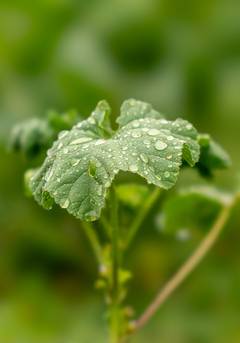
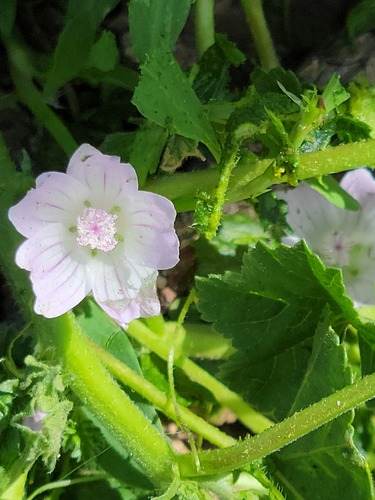
Malva neglecta is a prostrate to low-spreading annual or short-lived perennial reaching 4-12 inches (10-30 cm) tall and 12-36 inches (30-90 cm) wide, forming mat-like colonies in compacted disturbed ground. Stems are prostrate to ascending, radiating from a central taproot, branching, and hairy. Leaves are orbicular to reniform (kidney-shaped), 0.5-2.5 inches (1-6 cm) across, palmately 5-7 lobed with shallow crenate lobes, carried on long petioles 2-6 inches (5-15 cm) long. Five-petaled flowers 0.4-0.8 inch (10-20 mm) across open white to pale pink with darker pink veins and notched petals in the leaf axils from April through October. Fruit is a flat disc-shaped schizocarp (the cheese wheel) 0.3-0.4 inch (7-10 mm) in diameter consisting of 12-15 one-seeded carpels arranged in a ring, the source of the common name cheese plant. A single plant produces 500-5,000 seeds. Seeds have a hard coat and remain viable in soil for more than a century, placing the species among the longer-lived seed banks documented in weed biology. The deep taproot reaches 12-24 inches (30-60 cm) and makes established plants difficult to pull cleanly. Plants tolerate compacted soils, foot traffic, and alkaline conditions, and the species is widespread in lawns, gardens, sidewalk cracks, and farmyards across the Pacific Northwest.
Native Range
Malva neglecta is native to Europe, western Asia, and northern Africa, where it grows in gardens, farmyards, roadsides, and waste ground from sea level to approximately 7,000 feet (2,100 m). The species has naturalized across all 50 U.S. states and all Canadian provinces and is a cosmopolitan weed of compacted and disturbed soils worldwide.Suggested Uses
The species is used in Malvaceae identification courses for teaching the central staminal column, the cheese-wheel schizocarp fruit, and the mucilaginous sap shared by all mallows (the group includes Althaea officinalis, the original source of confectioners' marshmallow). Plants are included in lawn weed identification curricula and in compaction-indicator species exercises. The seed bank longevity, with viable seeds documented after more than a century in soil, is a primary teaching example in weed seed biology. Foliage has a long historical record of use as a pot herb and salad green in European traditional cuisine.How to Identify
Appearance
Size & Dimensions
Height4" - 1'
Width/Spread1' - 3'
Bloom Information
Five-petaled flowers 0.4-0.8 inch (10-20 mm) across open continuously in the leaf axils from April through October, with a total bloom span of 12-16 weeks in the Pacific Northwest where mild winters occasionally permit December blooms on sheltered plants. Individual flowers last a single day. Flowers are self-pollinating and insect-pollinated; bees work the open flowers through the season. Schizocarps mature 4-6 weeks after pollination and split into the individual one-seeded carpels.
Detailed Descriptions
Flower Description
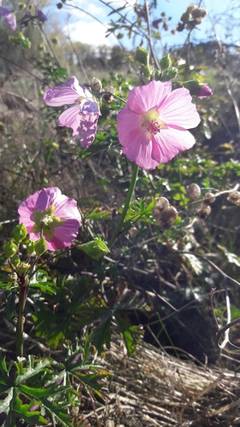
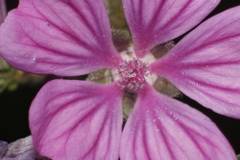
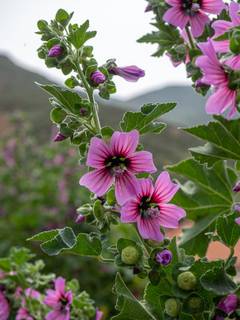
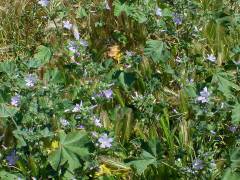
White to pale pink five-petaled flowers 0.4-0.8 inch (10-20 mm) across with darker pink veins and notched petals, produced singly or in small clusters in the leaf axils from April through OctoberFoliage Description
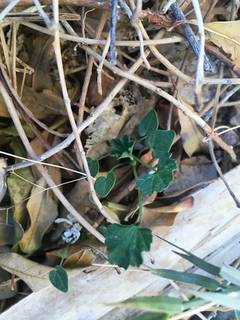
Medium green; orbicular to reniform (kidney-shaped), 0.5-2.5 inches (1-6 cm) across, palmately 5-7 lobed with shallow crenate lobes, held on long petioles 2-6 inches (5-15 cm) longGrowing Conditions
Sun Requirements
Requires 4-10 hours of direct sunlight daily
• Full Sun: 6+ hours of direct sunlight
• Partial Shade: 3-6 hours of direct sunlight
• Full Shade: Less than 3 hours of direct sunlight