Malva, Genus, moschata, Species,
- Genus & species
musk mallow
Europe and western Asia; meadows, roadsides, and waste ground from sea level to approximately 5,000 feet (1,500 m).
Overview
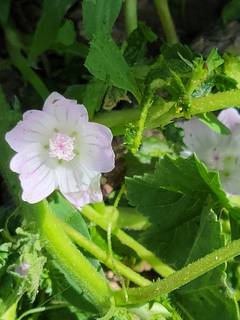
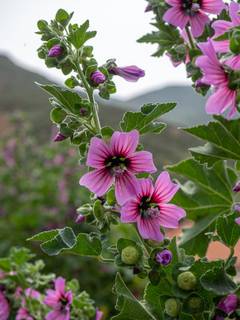
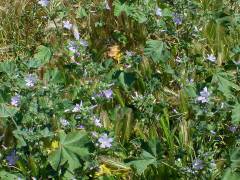
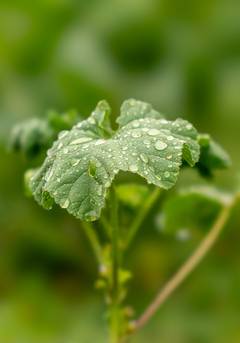
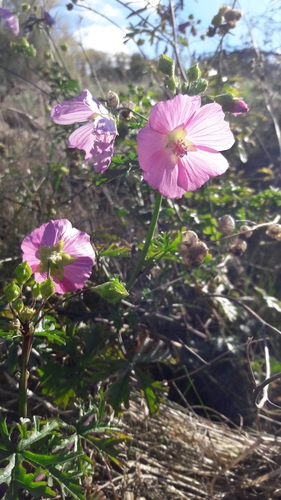
Malva moschata is a taprooted herbaceous perennial reaching 18-36 inches (45-90 cm) tall and 12-24 inches (30-60 cm) wide, with erect hairy branching stems arising from a semi-woody root crown. Basal leaves are palmately lobed in the usual mallow form, but stem leaves are deeply palmately 5-7 divided into narrow segments that are further pinnatifid, giving a fern-like dissected appearance that separates this species from other Malva in cultivation. Foliage emits a light musky scent when crushed, the source of the specific epithet and common name. Five-petaled flowers 1.5-2.5 inches (4-6 cm) across open from June through September in pink to white with notched petals and a prominent central staminal column (the Malvaceae family floral structure). Fruit is a schizocarp (the mallow cheese wheel) of 12-15 single-seeded carpels. A single plant produces 500-3,000 seeds with a hard coat that remains viable in soil for 20+ years. Hardy in USDA zones 3-9 (-40°F / -40°C). The species was introduced to North America as a garden ornamental and has escaped to roadsides, meadows, and disturbed ground in the Pacific Northwest, northeastern United States, and parts of British Columbia. Less weedy than M. neglecta or M. sylvestris because of the taprooted habit rather than mat-forming spread.
Native Range
Malva moschata is native to Europe and western Asia, where it grows in meadows, roadsides, and waste ground from sea level to approximately 5,000 feet (1,500 m). The species was introduced to North America as a garden ornamental and has naturalized in the Pacific Northwest, the northeastern United States, and parts of British Columbia, primarily on well-drained roadsides, meadows, and disturbed areas.Suggested Uses
The species is used in Malvaceae identification courses for teaching the deeply divided leaf form versus the typical shallow mallow lobing; the staminal column and schizocarp (cheese wheel) fruit morphology are standard Malvaceae teaching features. The species is included in garden-escape invasive discussions as a naturalized ornamental. Plants have a long historical record of use in European folk medicine for the mucilaginous properties shared by all mallows.How to Identify
Appearance
Size & Dimensions
Height1'6" - 3'
Width/Spread1' - 2'
Bloom Information
Five-petaled flowers 1.5-2.5 inches (4-6 cm) across open from June through September in pink to white, with a total bloom span of 6-8 weeks and peak bloom in July through August in the Pacific Northwest. Individual flowers last 1-2 days. Flowers open sequentially in the upper leaf axils and terminally as stems elongate through the season. Bees and butterflies work the flowers during bloom. Schizocarps mature 4-6 weeks after pollination.
Detailed Descriptions
Flower Description
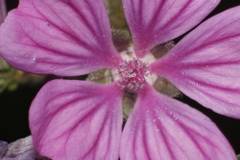
Pink to white five-petaled flowers 1.5-2.5 inches (4-6 cm) across with notched petals and a prominent central staminal column (the Malvaceae family floral structure); produced in the upper leaf axils and terminally from June through SeptemberFoliage Description
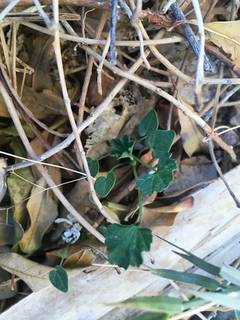
Medium green; basal leaves shallowly palmately lobed; stem leaves deeply palmately 5-7 divided into narrow segments that are further pinnatifid, giving a fern-like dissected appearance; crushed foliage carries a light musky scentGrowing Conditions
Sun Requirements
Requires 6-10 hours of direct sunlight daily
• Full Sun: 6+ hours of direct sunlight
• Partial Shade: 3-6 hours of direct sunlight
• Full Shade: Less than 3 hours of direct sunlight