Malva, Genus, spp., Multiple species,
- Genus
- Multiple species
mallows
Overview
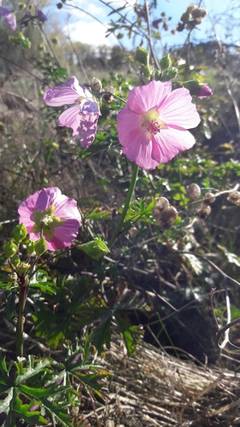
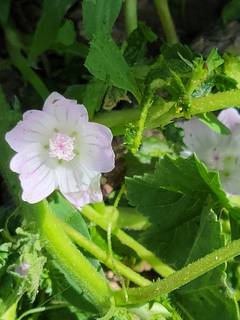
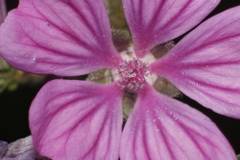
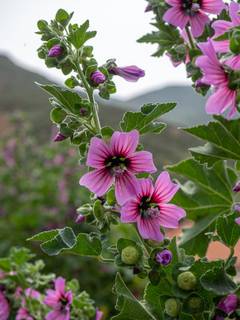
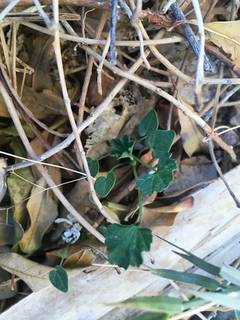
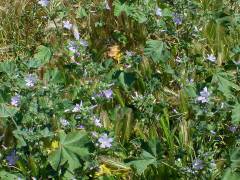
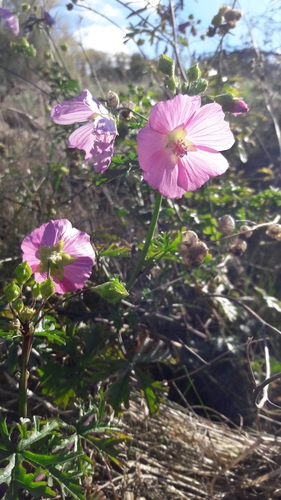
Malva is a genus of about 15 to 30 species of annual, biennial, and perennial herbs in the mallow family, Malvaceae, native to Europe, Asia, and North Africa. Plants grow 1 to 4 feet (0.3 to 1.2 m) tall on upright or sprawling stems, with rounded, palmately lobed leaves 1 to 4 inches (2.5 to 10 cm) wide. The flowers are five-petaled, 1 to 2 inches (2.5 to 5 cm) across, with notched petals in pink, purple, or white, often marked with darker veins, and are carried in the leaf axils over a long summer season. Each flower develops into a ring of segments called a schizocarp, the flat round fruit known as a cheese. Malva grows in USDA zones 4 to 8 and tolerates poor and dry soils once established. Several species, including M. sylvestris and M. neglecta, self-seed freely and naturalize as weeds, and mallow rust commonly disfigures the foliage in damp conditions.
Native Range
Native to Europe, Asia, and North Africa, growing in fields, on roadsides, and in disturbed ground. Several species have naturalized widely in North America and other temperate regions, where they grow as common weeds.Suggested Uses
Grown in cottage and informal borders, wildflower and pollinator plantings, and herb gardens, where the young leaves and flowers are used in teas and salads. The flowers draw bees and other pollinators over a long season. Self-seeding suits naturalistic plantings but spreads the plant in tidier beds.How to Identify
Appearance
Size & Dimensions
Height1' - 4'
Width/Spread1' - 3'
Bloom Information
Detailed Descriptions
Flower Description
pink, purple, or white with darker veinsFoliage Description
greenGrowing Conditions
Sun Requirements
Requires 6-8 hours of direct sunlight daily
• Full Sun: 6+ hours of direct sunlight
• Partial Shade: 3-6 hours of direct sunlight
• Full Shade: Less than 3 hours of direct sunlight
Water & Climate
Water Needs
Drought Tolerance
Drought tolerant when established
Care & Maintenance
Care Guide
Grows in full sun to light shade in average, well-drained soil, and tolerates poor and dry ground once established. Overly rich, moist soil produces lax growth that may need support. Hardiness spans USDA zones 4 to 8, with perennial species often short-lived and renewed from self-sown seedlings. Mallow rust is the main problem, appearing as orange pustules on leaves and stems in humid weather. Removing affected foliage and spacing plants for airflow reduces its spread. Little feeding is needed in average soil.Pruning
Plants are cut back after the main flush to tidy growth and prompt a second, lighter bloom. Perennial species are cut to the base in late fall or early spring. Removing seed heads before they ripen limits self-seeding.Container Growing
Suitable for container growing
Minimum container size: 2 gallons