Mahonia, Genus, japonica, Species,
- Genus & species
Japanese mahonia
Taiwan; cultivated in Japan and China
Overview
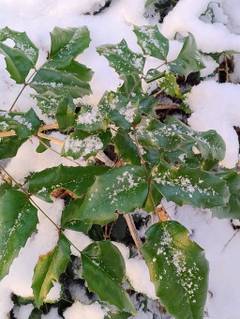
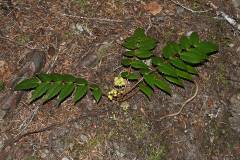
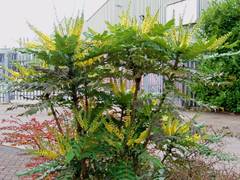
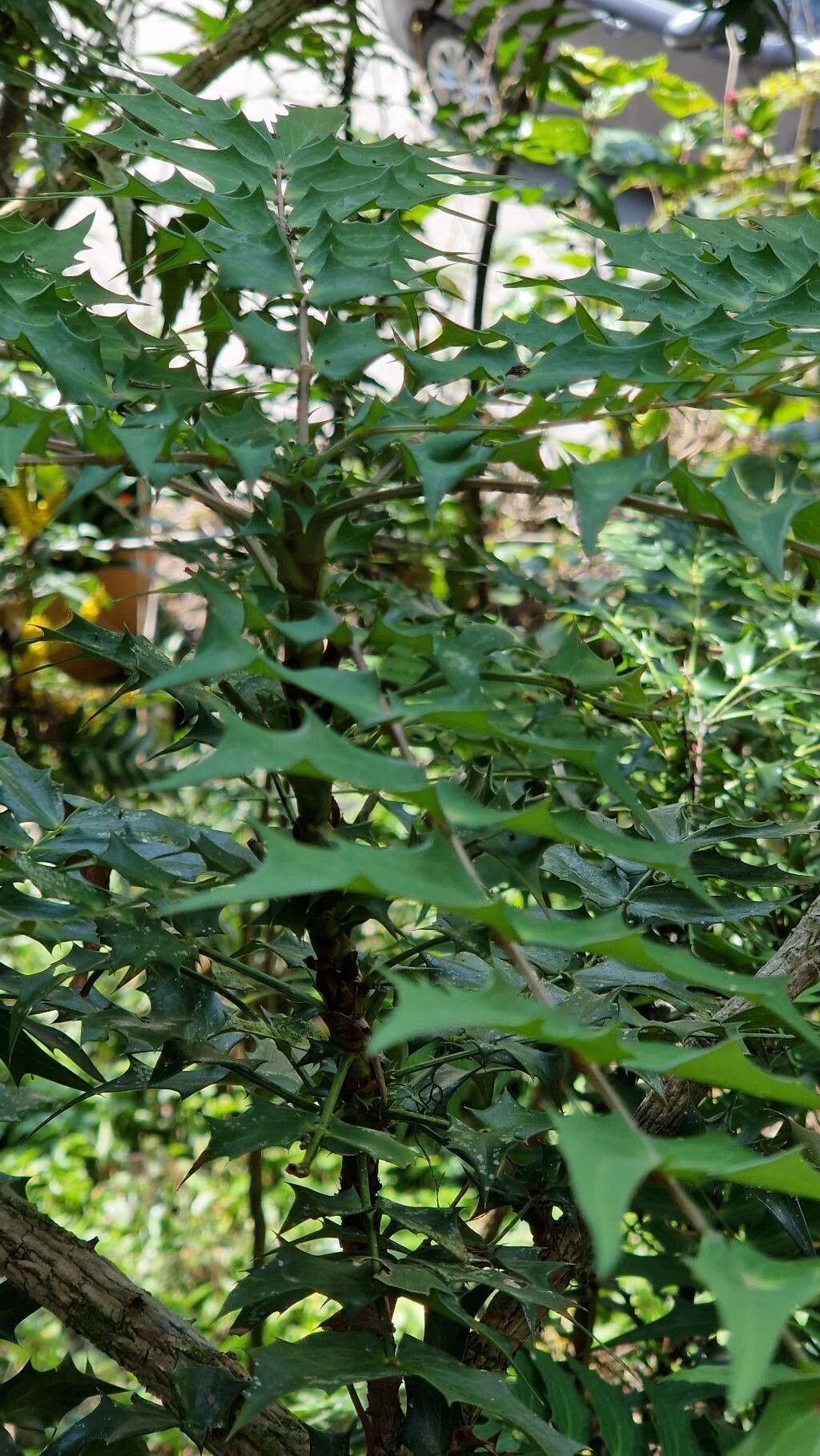
Mahonia japonica is an evergreen shrub in the barberry family (Berberidaceae), growing 6–10 feet (1.8–3 m) tall and 6–10 feet (1.8–3 m) wide. Stems are upright and sparsely branched, with leaves clustered in whorls near the stem tips. Each pinnately compound leaf is 10–16 inches (25–40 cm) long and carries 7–15 leathery, glossy dark green leaflets 2–5 inches (5–13 cm) long with 6–10 spine-tipped teeth per margin. Drooping racemes 4–8 inches (10–20 cm) long carry pale yellow, lemon-scented flowers from November through March, with 6–10 racemes radiating from each stem tip. Flowers are followed in spring by clusters of blue-black berries 0.3 inch (8 mm) across with a waxy bloom. Growth rate is 6–12 inches (15–30 cm) per year. Stems lose lower leaves with age, producing a bare, leggy base on plants older than 8–10 years. Leaves scorch and turn bronze in full sun with winter wind, and the spine-tipped leaflets cause skin punctures during handling. Roots spread by shallow suckers, producing slowly enlarging clumps.
Native Range
Mahonia japonica is native to Taiwan, where it grows in shaded montane forests. The species has been cultivated in Japan and China for centuries, and the specific epithet reflects the Japanese garden plants from which it was first described.Suggested Uses
Used in woodland gardens, shaded borders, and under tree canopies, spaced 5–6 feet (1.5–1.8 m) apart. Winter flowers supply nectar to bees and overwintering hummingbirds in mild climates, and spiny leaves are used in barrier plantings along property boundaries.How to Identify
Appearance
Size & Dimensions
Height6' - 10'
Width/Spread6' - 10'
Bloom Information
Flowers open from November to March, with peak bloom in January–February in zones 7–8. Pale yellow, lemon-scented flowers 0.3–0.4 inch (8–10 mm) across are held in drooping racemes 4–8 inches (10–20 cm) long. Blue-black berries develop in April–June and persist for 4–8 weeks.
Detailed Descriptions
Foliage Description
Glossy dark green, bronze when scorched or in coldGrowing Conditions
Sun Requirements
Requires 2-5 hours of direct sunlight daily
• Full Sun: 6+ hours of direct sunlight
• Partial Shade: 3-6 hours of direct sunlight
• Full Shade: Less than 3 hours of direct sunlight
Care & Maintenance
Care Guide
Grows in part shade to full shade in moist, humus-rich, well-drained soil with a pH of 5.5–7.0. Hardy in USDA zones 6–9, with leaf damage and flower bud loss below 0°F (−18°C). Plants are established with regular watering of 1 inch (2.5 cm) per week for the first 2 years, and established plants tolerate dry periods of 2–3 weeks. Leaves scorch in direct afternoon sun and in exposed sites with winter wind. Mulch 2–3 inches (5–7.5 cm) deep keeps roots cool and moist. Scale insects and leaf spot occasionally occur on stressed plants.Pruning
Pruning takes place immediately after flowering in March–April. Leggy stems are cut back to 12–18 inches (30–45 cm) above ground to produce new branching from the base, and the oldest 1–2 stems per plant are removed at ground level each year. Cuts made on whorled stems regrow from buds beneath the cut within 6–10 weeks.Pruning Schedule
Prune: March–April
early springlate spring
Container Growing
Suitable for container growing
Minimum container size: 10 gallons