Image 1 of 9
1 / 9
Plant Reference
Mahonia, Genus, aquifolium, Species,
- Genus & species
Oregon grape
Western North America — Alaska to northern California, east to Idaho, Montana, and Alberta; coniferous forest understory, rocky slopes, and disturbed areas
Overview
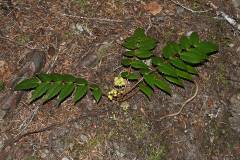
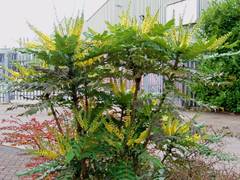
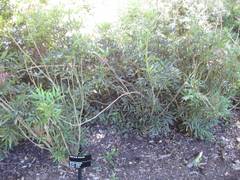
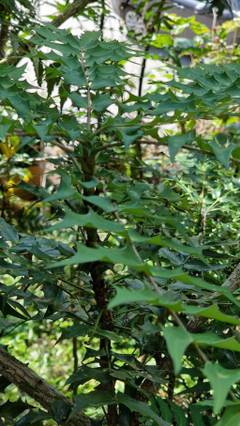
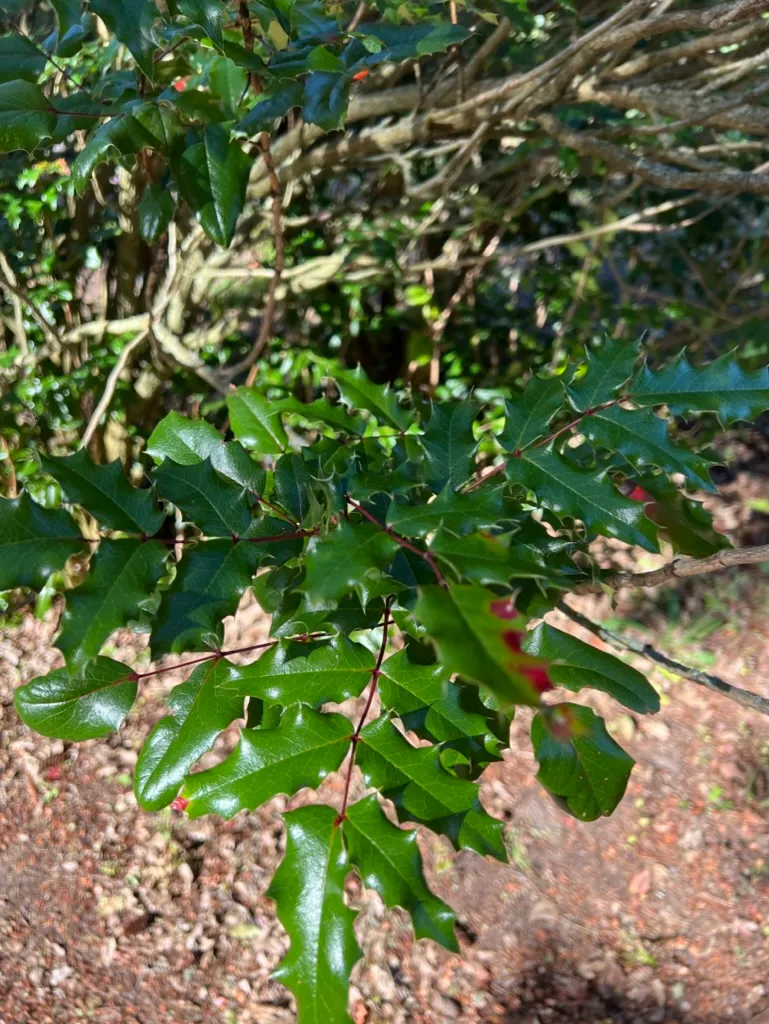
Mahonia aquifolium is Oregon grape (Oregon grape holly), an upright evergreen shrub growing 3-6 feet (0.9-1.8 m) tall and 3-5 feet (0.9-1.5 m) wide. Bright yellow flowers in dense terminal racemes 2-3 inches (5-7 cm) in March-April (4 weeks). Dusty blue-black edible berries 0.3 inch (8 mm) in summer. Pinnately compound leaves with 5-9 holly-like spiny-margined leaflets 1.5-3 inches (4-7 cm); bronze-red new growth, glossy dark green in summer, purple-burgundy in winter. In Berberidaceae. Aquifolium = holly-leaved. State flower of Oregon. Berries edible (tart — jams, wine). Inner bark bright yellow (berberine). Spreads by underground rhizomes to form colonies — this suckering habit requires management in confined spaces. Native to western North America. Leaf scorch in full hot sun. Drought-tolerant once established. Deer-resistant. Non-toxic. Zones 5-9. Part shade to full sun or full shade. Growth rate is moderate.
Native Range
Native to western North America — Alaska to northern California, east to Idaho, Montana, and Alberta. Found in coniferous forest understory, rocky slopes, and disturbed areas.Suggested Uses
Grown in woodland gardens, native plantings, as an evergreen hedge, and in containers of at least 7 gallons (26 L), spaced 3-5 feet (0.9-1.5 m). Oregon state flower. Edible berries. Purple winter color. Native to PNW. Non-toxic. Zones 5-9.How to Identify
Appearance
Size & Dimensions
Height3' - 6'
Width/Spread3' - 5'
Bloom Information
Early spring (March-April). Bright yellow flowers in dense terminal racemes 2-3 inches (5-7 cm). 4 weeks. Bee- and butterfly-visited. Dusty blue-black edible berries follow in summer.
Detailed Descriptions
Flower Description
Bright yellow, small, in dense terminal racemes 2-3 inches (5-7 cm); March-April; followed by dusty blue-black berry clusters 0.3 inch (8 mm) in summer — the berries are edible (tart, used in jams and wine)Foliage Description
Bronze-red new growth; glossy dark green in summer; purple to burgundy in winter; pinnately compound with 5-9 holly-like spiny-margined leaflets 1.5-3 inches (4-7 cm) eachGrowing Conditions
Sun Requirements
Requires 2-8 hours of direct sunlight daily
• Full Sun: 6+ hours of direct sunlight
• Partial Shade: 3-6 hours of direct sunlight
• Full Shade: Less than 3 hours of direct sunlight
Care & Maintenance
Care Guide
Part shade to full sun or full shade (2-8 hours). Well-drained soil pH 5.0-7.5. Drought-tolerant once established. Tolerates clay, rocky soil, and shade. Leaf scorch in full hot sun. Spreads by rhizomes — manage unwanted suckers. Prune after flowering (April-May). Berries edible. Deer-resistant. Non-toxic. Zones 5-9.Pruning
Prune after flowering (April-May) to shape. Remove oldest leggy stems at the base to encourage fresh basal growth. Remove unwanted rhizome suckers to control spread. Tolerates renovation pruning to 6-12 inches (15-30 cm).Pruning Schedule
Prune: April–May
early springlate spring
Container Growing
Suitable for container growing
Minimum container size: 7 gallons