Image 1 of 18
1 / 18
Plant Reference
Magnolia, Genus, stellata, Species,
- Genus & species
star magnolia
Mountains of Honshu, Japan; moist humus-rich woodland soils at mid-elevations; restricted to a small native range and considered near-threatened in the wild
Overview
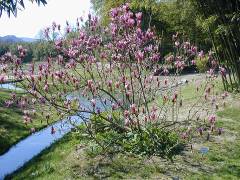
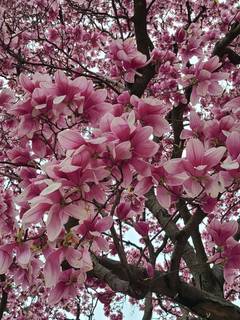
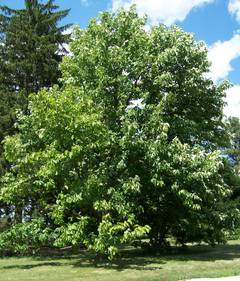
Magnolia stellata is star magnolia (Japanese star magnolia), a compact mounding deciduous shrub or small tree growing 10-15 feet (3-4.5 m) tall and 10-15 feet (3-4.5 m) wide. Star-shaped flowers 3-4 inches (7-10 cm) with 12-18 narrow strap-like white tepals on bare branches in February-March — among the earliest magnolias to bloom. Mildly fragrant. Fuzzy silvery flower buds visible on bare branches through winter. Dark green oblong to elliptic leaves 2-4 inches (5-10 cm) emerge after the flowers. Turns yellow-bronze in fall. In Magnoliaceae. Native to the mountains of Honshu, Japan. The early bloom is highly vulnerable to late frost — a single freezing night browns the tepals. This frost vulnerability is the primary limitation. Site north of a building to delay bloom 1-2 weeks. One of the smallest magnolias — suited to residential gardens. Slow-growing. Fleshy roots — does not tolerate root disturbance. Not drought-tolerant. Non-toxic. Zones 4-8. Full sun to partial shade. Growth rate is slow.
Native Range
Native to the mountains of Honshu, Japan. Found in moist humus-rich woodland soils at mid-elevations. Restricted to a small native range — considered near-threatened in the wild.Suggested Uses
Grown as a specimen shrub or small tree in residential gardens, front yards, and foundation plantings spaced 10-15 feet (3-4.5 m). Among the earliest and smallest magnolias. Star-shaped white flowers on bare branches. Site north of building in frost-prone areas. Non-toxic. Zones 4-8.How to Identify
Appearance
Size & Dimensions
Height10' - 15'
Width/Spread10' - 15'
Bloom Information
Late winter to early spring (February-March). Star-shaped flowers 3-4 inches (7-10 cm) with 12-18 strap-like white tepals on bare branches. Mildly fragrant. 3 weeks of bloom. Vulnerable to late frost. Beetle-pollinated.
Detailed Descriptions
Flower Description
Star-shaped, 3-4 inches (7-10 cm) across, with 12-18 narrow strap-like white tepals; on bare branches before leaves emerge; mildly fragrantFoliage Description
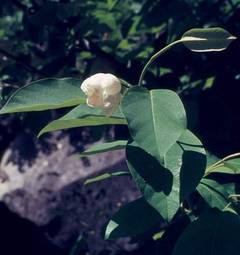
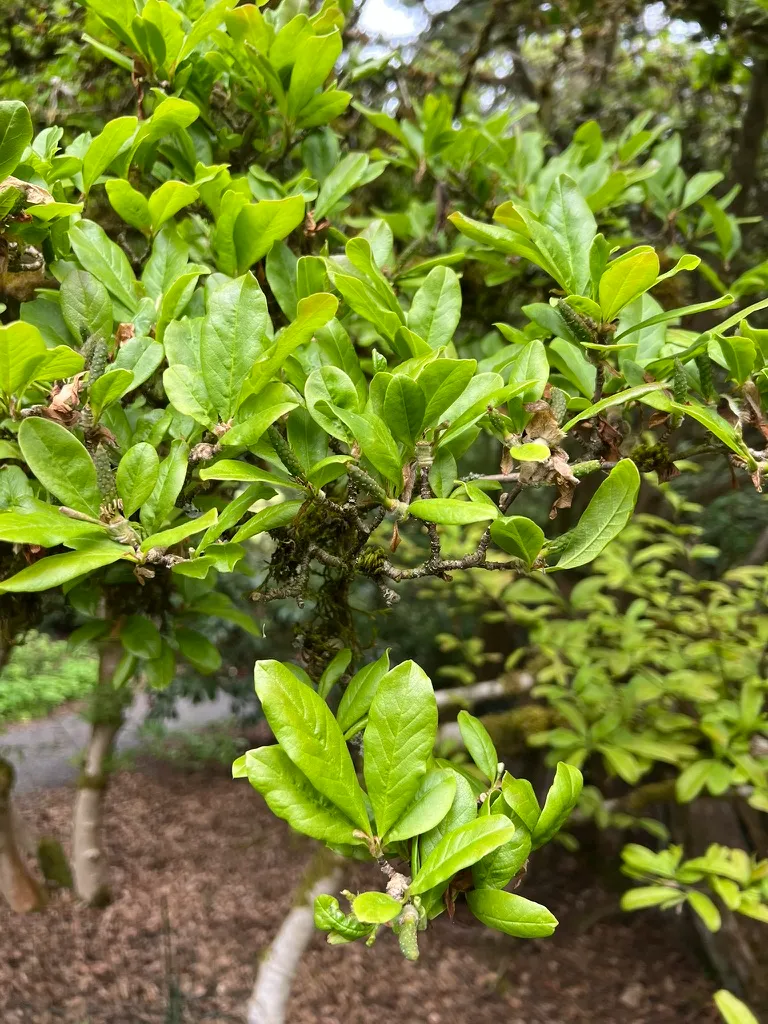
Dark green, oblong to elliptic, 2-4 inches (5-10 cm) long; emerging after flowers; turns yellow-bronze in fallGrowing Conditions
Sun Requirements
Requires 4-10 hours of direct sunlight daily
• Full Sun: 6+ hours of direct sunlight
• Partial Shade: 3-6 hours of direct sunlight
• Full Shade: Less than 3 hours of direct sunlight
Care & Maintenance
Care Guide
Full sun to partial shade (4-10 hours). Acidic well-drained soil pH 5.5-6.5. Fleshy roots — do not compact or disturb. Not drought-tolerant. Late frost damages early bloom — site north of building to delay bloom. Prune lightly after flowering (April). Non-toxic. Zones 4-8.Pruning
Prune lightly after flowering (April) if shaping is needed. The compact mounding form is natural. Remove dead or crossing branches. Magnolia species heal slowly — make clean cuts and prune minimally.Pruning Schedule
Prune: April
late spring