Image 1 of 23
1 / 23
Plant Reference
Magnolia, Genus, sieboldii, Species,
- Genus & species
Oyama magnolia
Japan, Korea, Manchuria, and China; mountain forests at mid-elevations
Overview
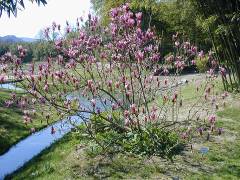
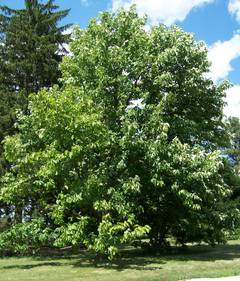
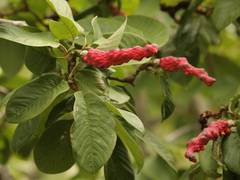
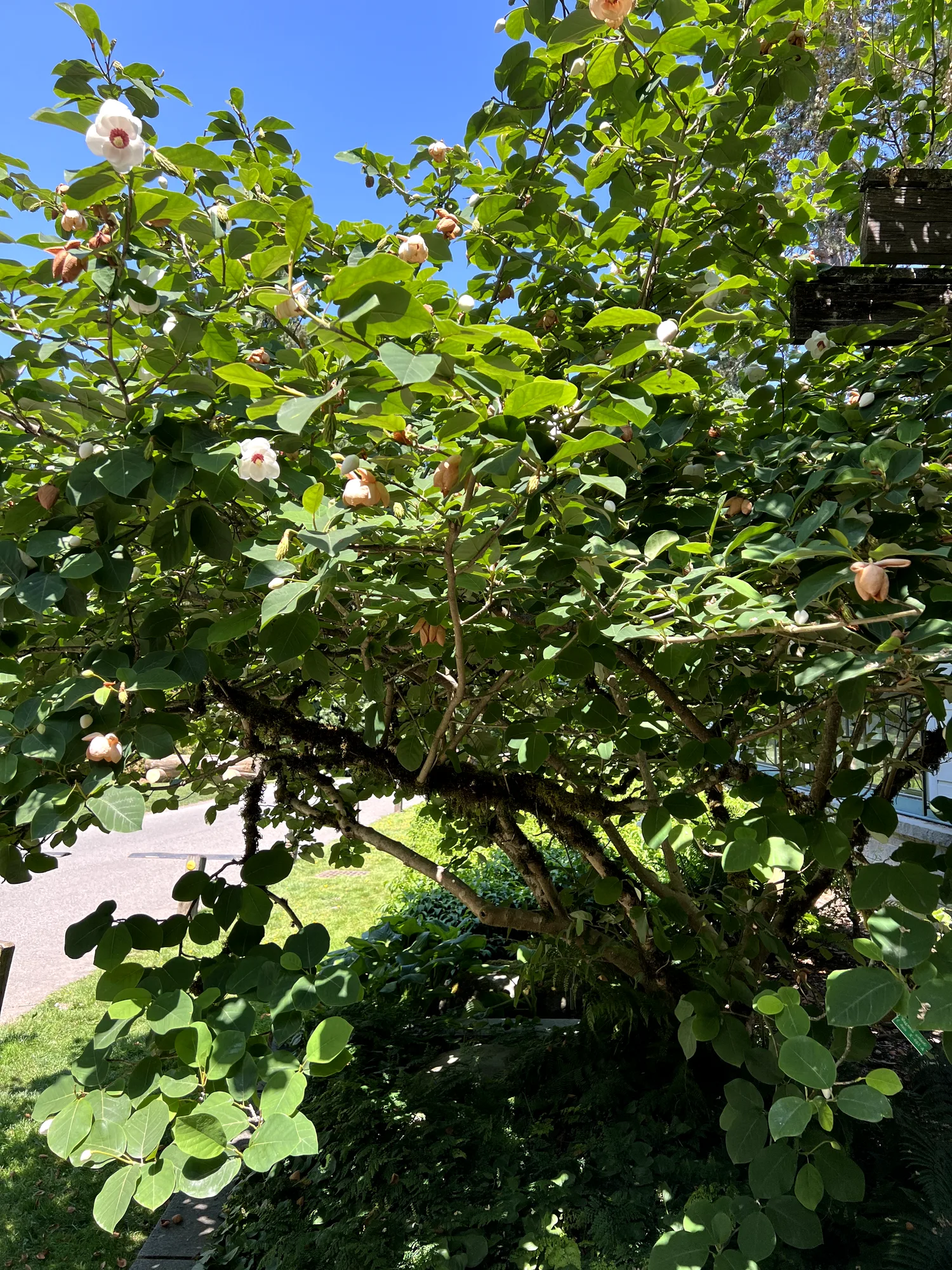
Magnolia sieboldii is Oyama magnolia (Siebold magnolia), a spreading deciduous tree growing 10-20 feet (3-6 m) tall and 10-15 feet (3-4.5 m) wide. White nodding (downward-facing) cup-shaped flowers 3-4 inches (7-10 cm) with a central ring of crimson stamens in May-July — blooming over 5 weeks (longer than most magnolias). Moderately fragrant. Medium to dark green broadly ovate leaves 3-6 inches (7-15 cm), pale silvery-green beneath. Pink to red aggregate fruit with red seeds dangling on threads in fall. In Magnoliaceae. Native to Japan, Korea, Manchuria, China. The nodding flower orientation means the crimson stamens are viewed from below — site on a slope or raised area. Blooms later than most deciduous magnolias — late frost rarely damages the flowers. Requires acidic well-drained soil (pH 5.0-6.5). Does not tolerate alkaline soil or drought. This acid-soil and moisture requirement is the primary limitation. Non-toxic. Zones 5-8. Part shade. Growth rate is slow.
Native Range
Native to Japan, Korea, Manchuria, and China. Found in mountain forests at mid-elevations.Suggested Uses
Grown as a specimen tree on slopes or raised areas where the nodding flowers can be viewed from below, spaced 10-15 feet (3-4.5 m). Longer bloom than most magnolias. Crimson stamens. Later bloom avoids frost. Requires acidic soil. Non-toxic. Zones 5-8.How to Identify
Appearance
Size & Dimensions
Height10' - 20'
Width/Spread10' - 15'
Bloom Information
Detailed Descriptions
Flower Description
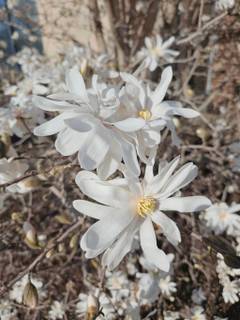
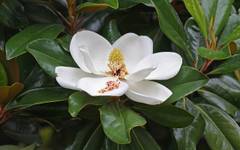
White, cup-shaped, 3-4 inches (7-10 cm) diameter, nodding (facing downward to outward), with a central ring of crimson stamensFoliage Description
Medium to dark green above, pale silvery-green beneath, broadly ovate, 3-6 inches (7-15 cm) longGrowing Conditions
Sun Requirements
Requires 3-6 hours of direct sunlight daily
• Full Sun: 6+ hours of direct sunlight
• Partial Shade: 3-6 hours of direct sunlight
• Full Shade: Less than 3 hours of direct sunlight
Care & Maintenance
Care Guide
Part shade (3-6 hours — afternoon shade in zones 7-8). Acidic well-drained soil pH 5.0-6.5. Not drought-tolerant. Does not tolerate alkaline soil. Blooms later than most magnolias — less frost damage risk. Prune lightly after flowering if needed. Non-toxic. Zones 5-8.Pruning
Prune lightly after flowering (May-June) if shaping is needed. The spreading multi-stemmed form is natural. Remove dead or crossing branches. Minimal pruning needed. Magnolia species heal slowly from pruning wounds — make clean cuts.Pruning Schedule
Prune: May–June
late spring