Image 1 of 18
1 / 18
Plant Reference
Magnolia, Genus, ×, Hybrid, soulangeana, Species,
- Genus & species
- Hybrid
saucer magnolia
Hybrid of garden origin; parentage is {Magnolia denudata} × {M. liliiflora}, both native to China; first raised by Etienne Soulange-Bodin near Paris, France around 1820
Overview
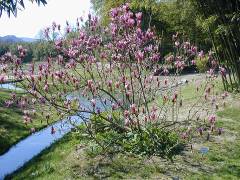
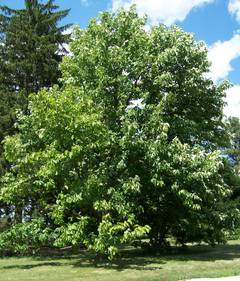
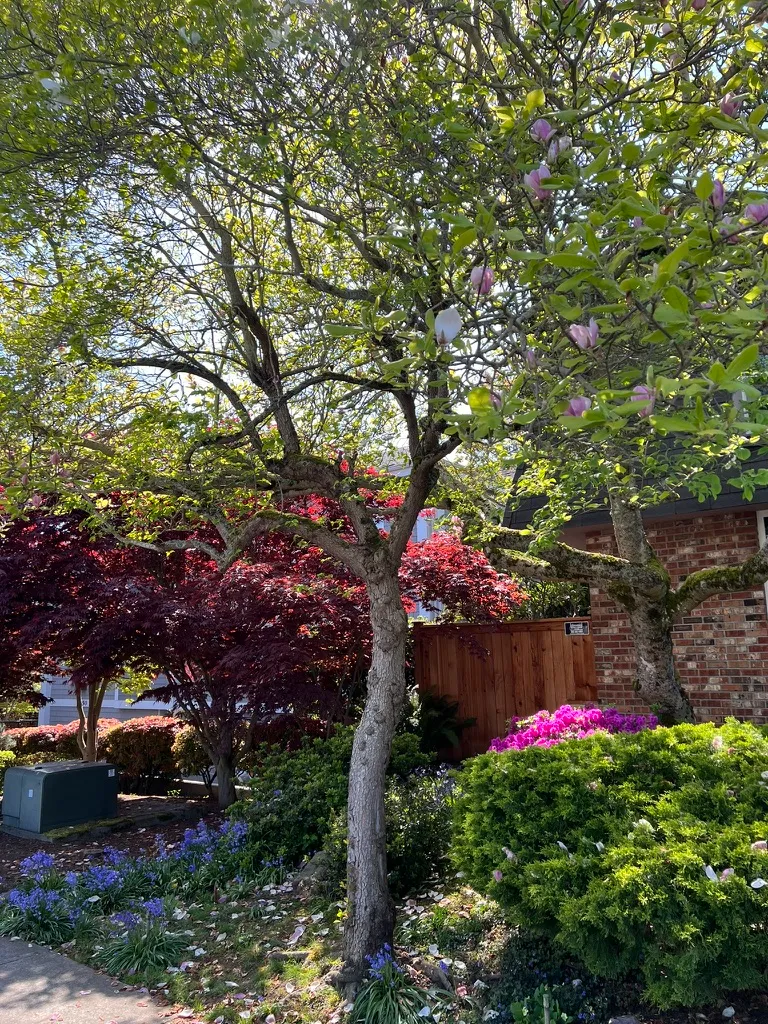
Magnolia × soulangeana is a spreading deciduous tree in the family Magnoliaceae reaching 20–30 feet (6–9 m) tall and 20–25 feet (6–7.5 m) wide with a low-branched vase-shaped form that often develops multiple trunks from the base. The hybrid parentage is Magnolia denudata (yulan magnolia) × M. liliiflora (lily magnolia), both species native to China, and the cross was first raised by the French horticulturist Etienne Soulange-Bodin at his estate near Paris around 1820; the hybrid has been propagated vegetatively by cuttings and grafts ever since and has been widely planted in temperate gardens of Europe and North America through the 19th and 20th centuries. Leaves are obovate, 3–6 inches (7–15 cm) long, medium to dark green, and slightly glossy, turning yellow in fall without much variation. Saucer-shaped flowers 5–10 inches (13–25 cm) across with 6–9 thick fleshy tepals open on the bare branches in March and April before leaf emergence across a 3-week bloom period. Flower color ranges from pure white through pink to deep purple depending on the cultivar: 'Alexandrina' carries pink-purple outer tepals with white inner surfaces, 'Lennei' carries dark rose-purple flowers, and 'Rustica Rubra' carries rose-red flowers. The flowers are lightly fragrant with a sweet scent. Limitation: the early spring bloom on bare branches opens before the last spring frost date in much of the temperate zone, and a single hard freezing night converts the opening tepals from clean white or pink to translucent brown within a few hours, ending the display for that year. In frost-prone regions, north-facing planting positions or positions shaded from early-morning sun delay bloom by 1–2 weeks and reduce frost damage, and the fleshy shallow root system resents disturbance and compaction, so transplanting mature trees often fails.
Native Range
Hybrid of garden origin. The parent cross is Magnolia denudata (yulan magnolia, native to central and eastern China) with M. liliiflora (lily magnolia, native to southwestern China). The hybrid was first raised by the French horticulturist Etienne Soulange-Bodin at his estate near Paris around 1820 and has been propagated vegetatively by cuttings and grafts ever since.Suggested Uses
Used as a specimen tree in residential front yards, entry courtyards, and parks at 20–25 foot (6–7.5 m) spacing where the large March-April flowers on bare branches will be the centerpiece of the spring garden. A dark backdrop of evergreens or walls enhances the display of the pale or pink flowers. Frost-pocket sites where late freezes regularly destroy the opening bloom are unsuitable, as are compacted urban positions and sites subject to root disturbance from construction or repeated digging.How to Identify
Appearance
Size & Dimensions
Height20' - 30'
Width/Spread20' - 25'
Bloom Information
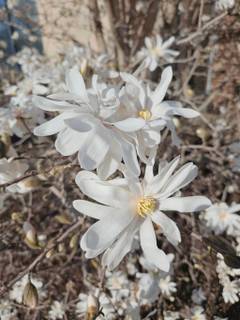
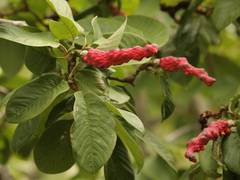
Saucer-shaped flowers 5–10 inches (13–25 cm) across with 6–9 thick fleshy tepals open on the bare branches from March through April across about 3 weeks before leaf emergence. Flower color is cultivar-dependent: white, pink, or pink-purple with darker exterior surfaces and paler interior surfaces in many selections. The flowers are lightly fragrant with a sweet scent and are pollinated by beetles, which is the ancestral pollination mechanism for the genus Magnolia. Cone-like aggregate fruit 3–4 inches (7–10 cm) long develops through summer and ripens in fall.
Detailed Descriptions
Flower Description
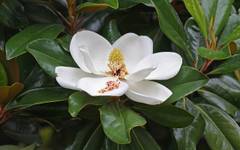
white to pink-purple (cultivar-dependent); saucer-shaped with 6-9 thick tepals, 5-10 inches (13-25 cm) across, on bare branches before leaf emergence; lightly fragrantFoliage Description
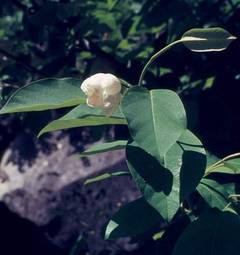
medium to dark green, slightly glossy; obovate, 3-6 inches (7-15 cm) long; turns yellow in fallGrowing Conditions
Sun Requirements
Requires 4-10 hours of direct sunlight daily
• Full Sun: 6+ hours of direct sunlight
• Partial Shade: 3-6 hours of direct sunlight
• Full Shade: Less than 3 hours of direct sunlight
Care & Maintenance
Care Guide
Site in full sun to partial shade with 4–10 hours of direct sun per day in well-drained acidic to neutral soil with a pH of 5.0–7.0. The species tolerates loam, clay, and sand and is not drought-tolerant, so soil moisture through the summer should remain consistent. The fleshy shallow root system resents disturbance and compaction, so the planting position should be permanent and foot traffic over the root zone should be limited. Late spring frosts damage the early-season flowers on bare branches: in frost-prone regions, north-facing positions or positions shaded from early-morning sun delay bloom by 1–2 weeks and reduce frost damage to the opening tepals. Pruning is done after flowering rather than in winter because the bloom forms on previous-season wood. Hardy in USDA zones 4–9.Pruning
Pruning is done lightly after flowering in April and May because the shrub blooms on previous-season wood and winter pruning removes the following year's flower buds. Shaping cuts remove dead, crossing, or storm-damaged branches and reduce crowding in the interior of the crown. Magnolia species heal slowly from pruning wounds, so cuts should be clean and pruning is kept to the minimum needed to correct structural faults. The low-branched vase-shaped form develops naturally and requires little training.Pruning Schedule
Prune: April–May
late spring