Lilium, Genus, spp., Multiple species,
- Genus
- Multiple species
true lilies
Temperate Northern Hemisphere - Asia, Europe, and North America
Overview
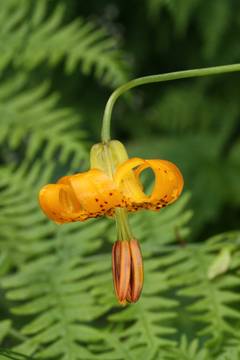
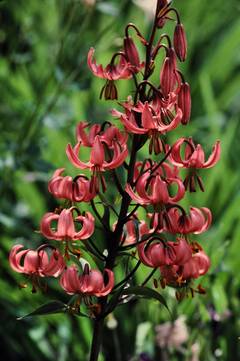
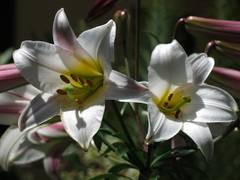
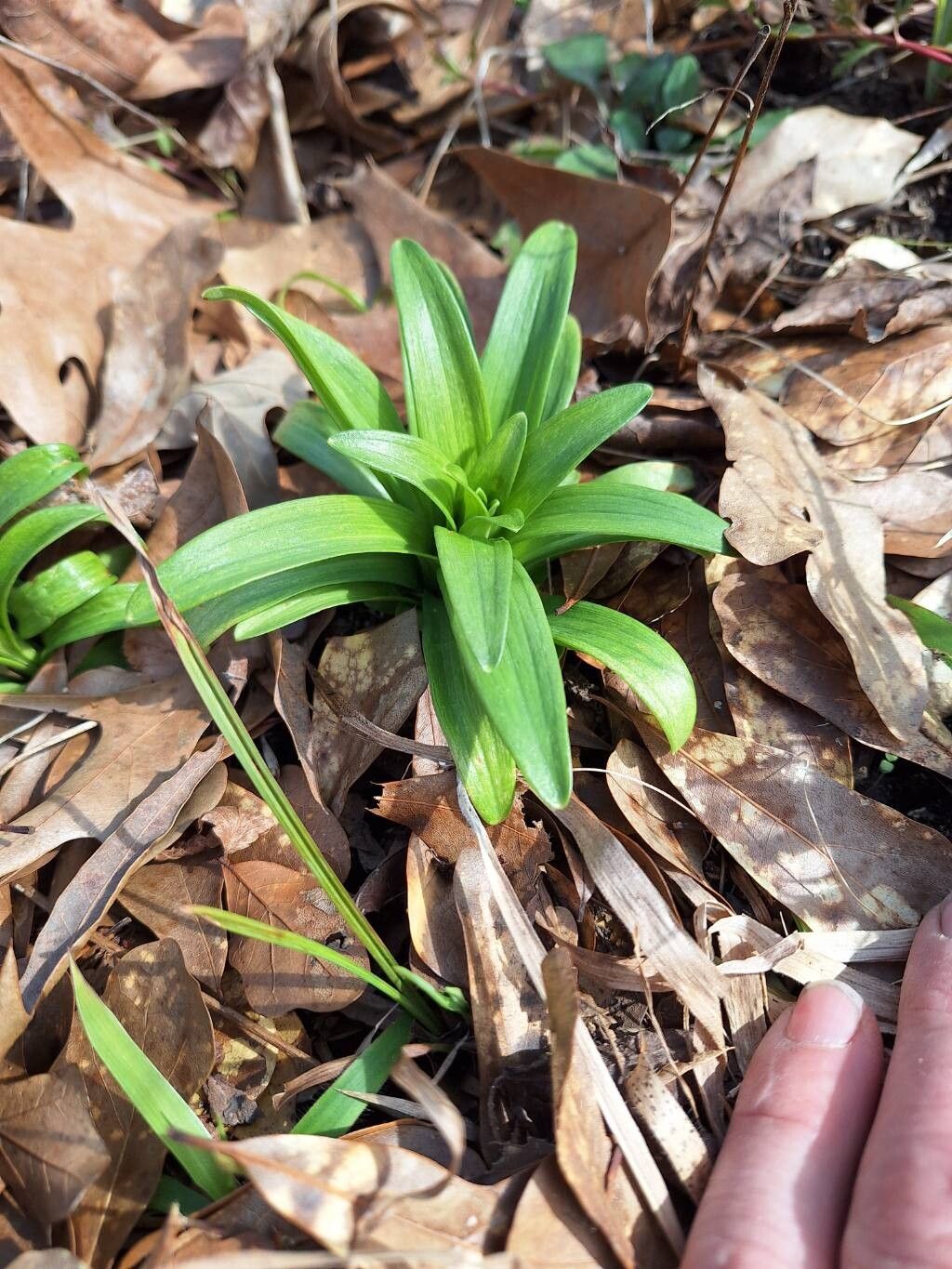
Lilium is a genus of about 100 species of bulbous perennials in the family Liliaceae, native to the temperate Northern Hemisphere and the source of the true lilies. Plants grow from scaly bulbs, sending up unbranched leafy stems 2 to 8 feet (60 to 240 cm) tall lined with narrow to lance-shaped leaves. Each stem carries one to many large flowers, built from six tepals in forms that range from upward-facing bowls and outward trumpets to fully reflexed Turk's caps. Flower color spans white, yellow, orange, pink, red, and purple, frequently spotted, brushed, or banded, and many species and hybrids are strongly fragrant. Most bloom in summer, with the season spread from early to late depending on the group. The bulbs and all parts are severely poisonous to cats, causing kidney failure. Lily leaf beetle, basal rot, and viral diseases are recurring problems, and deer and rodents readily eat the bulbs and shoots.
Native Range
Lilium is native across the temperate Northern Hemisphere, with centers of diversity in eastern Asia, Europe, and North America. North American natives such as L. superbum and L. canadense grow in moist meadows and woodland edges in the eastern states.Suggested Uses
Lilies are grown in borders, in containers, and as long-lasting cut flowers, spaced 8 to 12 inches (20 to 30 cm) apart and often planted in groups of three or more. The fragrant Oriental and trumpet types are placed near paths and seating where their scent carries. Shorter Asiatic and pot lilies suit containers and the front of borders.How to Identify
Appearance
Size & Dimensions
Height2' - 8'
Width/Spread9" - 1'6"
Bloom Information
Most Lilium flower in summer, from June through August, with Asiatic types opening first and Oriental and trumpet types following into late summer. Each flower lasts one to two weeks, and a stem can stay in bloom for several weeks. Fragrance is strongest in the trumpet and Oriental groups and carries on warm evenings.
Detailed Descriptions
Flower Description
white, yellow, orange, pink, red, or purple, often spottedFoliage Description
greenGrowing Conditions
Sun Requirements
Requires 6-8 hours of direct sunlight daily
• Full Sun: 6+ hours of direct sunlight
• Partial Shade: 3-6 hours of direct sunlight
• Full Shade: Less than 3 hours of direct sunlight
Care & Maintenance
Care Guide
Most Lilium grow in full sun to light shade on deep, well-drained soil at pH 5.5 to 7.0, with the bulbs set two to three times their depth and shaded at the root. The genus is hardy across USDA zones 4 to 8, with hardiness varying by group. Water during growth and bloom, though waterlogged soil rots the bulbs. Leave the stems and foliage standing after flowering until they yellow, since they recharge the bulb for the next season. Staking supports the tall, top-heavy stems of the large-flowered types. Lily leaf beetle can strip the foliage, and the bulbs are vulnerable to rot in heavy wet ground.Pruning
Remove faded flowers to stop seed forming, but leave the stems and leaves in place until they yellow in autumn so the bulb can recharge. Cut the dead stems to the ground in late autumn or winter. Lift and divide congested clumps after the foliage dies down.Pruning Schedule
Prune: October
fall
Container Growing
Suitable for container growing
Minimum container size: 2 gallons