Image 1 of 19
1 / 19
Plant Reference
Lilium, Genus, (Asiatic, Species, Hybrids), Subspecies,
- Genus & species
- Subspecies
Asiatic lilies
Hybrid origin; parent species native to central and eastern Asia — primarily China, Japan, Korea, Siberia, and adjacent regions; parent species grow in diverse habitats from alpine meadows and rocky slopes to forest margins; Division I of the international hybrid lily classification system
Overview
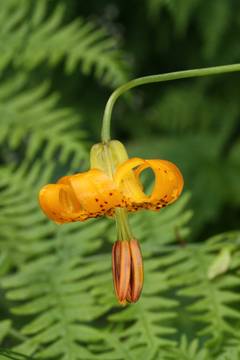
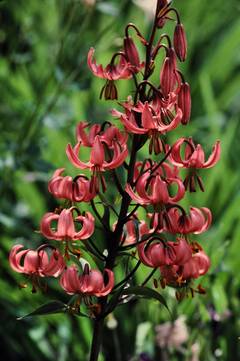
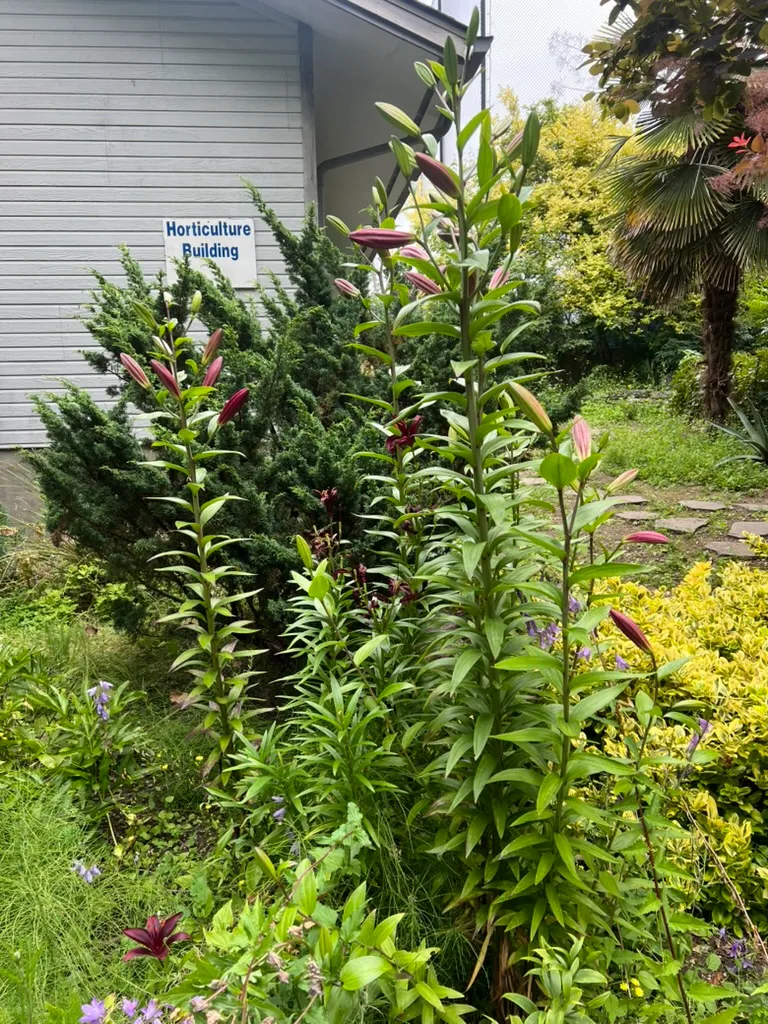
Asiatic lily hybrids (Division I of the international hybrid lily classification) are among the more widely cultivated ornamental bulbs in temperate-zone gardens. The group is derived from crosses involving Lilium amabile, L. bulbiferum, L. cernuum, L. concolor, L. davidii, L. lancifolium, L. leichtlinii, and related species native to central and eastern Asia. Plants grow from large scaly bulbs producing erect leafy stems 18-48 inches (45-120 cm) tall with narrow lance-shaped leaves arranged spirally along the stem. In early to midsummer, stems carry 4-12 or more upward-facing (most cultivars), outward-facing, or pendent flowers 3-6 inches (8-15 cm) across with six tepals in white, yellow, orange, red, pink, or near-black, often with contrasting spots or brushmarks. Asiatic lilies are the hardiest and most straightforward lily group for novice growers, tolerating zones 3-8, and are not fragrant — the absence of scent separates the Asiatic group from the strongly fragrant Oriental and Orienpet groups. All parts of Lilium species are highly toxic to cats, causing acute and often fatal kidney failure, which rules the genus out of gardens and cut-flower positions where cats have access.
Native Range
Asiatic lily hybrids are of complex garden origin, derived from species native to central and eastern Asia — primarily China, Japan, Korea, Siberia, and adjacent regions. The parent species grow in diverse habitats from alpine meadows and rocky slopes to forest margins.Suggested Uses
Planted in mixed perennial borders, cutting gardens, and containers in zones 3-8 at 8-12 inch (20-30 cm) spacing. The wide color range and early bloom season make Asiatic lilies flexible companions for roses, alliums, and early summer perennials. Cut flowers last 7-10 days; removing the stamens at harvest prevents pollen staining on fabric. The strict cat-toxicity of the genus rules out the group for households with cats. Containers of 3 gallons (11 L) or larger suit the bulb depth and stem height for patio and entry-garden positions.How to Identify
Appearance
Size & Dimensions
Height1'6" - 4'
Width/Spread6" - 1'
Bloom Information
Blooms June through July in zones 3-8 — the earliest of the major hybrid lily groups. Individual flower clusters bloom over 2-3 weeks per stem. Planting early, mid, and late-season Asiatic cultivars extends the group's collective bloom window from late May through late July. Stems do not rebloom; new stems grow from the bulb the following season.
Detailed Descriptions
Flower Description
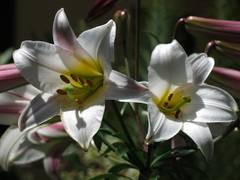
White, yellow, orange, red, pink, or near-black six-tepaled flowers 3-6 inches (8-15 cm) across in upward-facing (most cultivars), outward-facing, or pendent forms; often with contrasting spots or brushmarks; typically unscentedFoliage Description
Medium green narrow lance-shaped leaves arranged spirally along erect stemsGrowing Conditions
Sun Requirements
Requires 4-8 hours of direct sunlight daily
• Full Sun: 6+ hours of direct sunlight
• Partial Shade: 3-6 hours of direct sunlight
• Full Shade: Less than 3 hours of direct sunlight
Care & Maintenance
Care Guide
Plant bulbs in fall or early spring 4-6 inches (10-15 cm) deep and 12 inches (30 cm) apart in full sun to partial shade in well-drained fertile slightly acidic soil at pH 6.0-6.5. Sharp drainage is critical — bulbs rot in waterlogged soil. Mulch 2-3 inches (5-8 cm) deep to keep the root zone cool. Water during active growth and reduce watering after foliage yellows. Allow foliage to die back naturally to rebuild the bulb for the following year. Apply a balanced fertilizer when shoots emerge. Lift and divide congested clumps every 3-4 years. All parts are highly toxic to cats; the genus should not be grown in gardens accessible to cats, and cut flowers should not be brought into households with cats.Pruning
Deadhead spent flower heads by snapping or cutting them off individually. Leave the full stem and foliage intact until they yellow and die back naturally, since the stem and leaves photosynthesize to rebuild the bulb for the following year. Cut stems to the ground only after they have turned yellow. Stake tall cultivars (over 36 inches / 90 cm) in exposed positions.Pruning Schedule
Prune: August–September
summerfall
Container Growing
Suitable for container growing
Minimum container size: 3 gallons