Lepidosperma, Genus, gladiatum, Species,
- Genus & species
coast sword-sedge
Overview
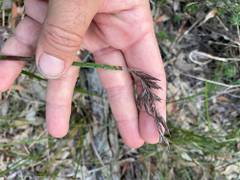
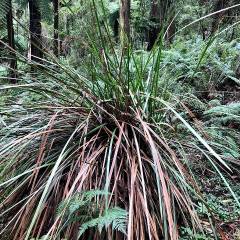
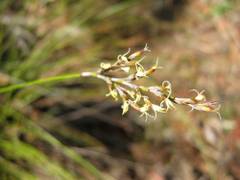
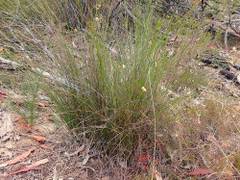
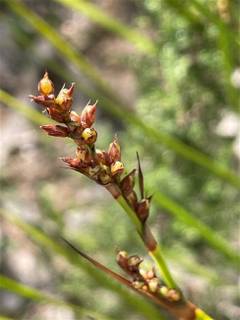
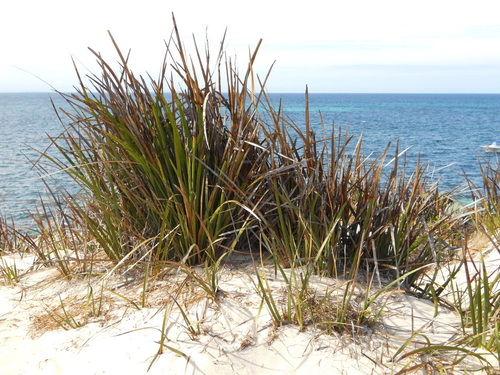
Lepidosperma gladiatum is an evergreen, clump-forming sedge in the family Cyperaceae, growing 2–5 feet (0.6–1.5 m) tall and spreading by thick underground rhizomes to form colonies. The leaves are flat, stiff, and sword-shaped, 0.4–0.8 inch (10–20 mm) wide, blue-green to grey-green, with sharp edges and pointed tips. Brown flower spikes are carried on tall stems among the foliage, followed by hard, nut-like fruits. Flowering occurs mainly in spring and summer. The sedge is native to coastal southern Australia, where it grows on dunes, in swales, and behind beaches, often in deep sand. It spreads steadily by rhizome and binds loose sand, which makes it useful for dune stabilisation. It tolerates salt spray, wind, drought, and poor sandy soils once established. The spreading rhizomes can move beyond the planted area, and the stiff leaf edges are sharp to handle. It tolerates short periods of waterlogging but grows mainly in free-draining sand.
Native Range
Lepidosperma gladiatum is native to coastal southern Australia, including Western Australia, South Australia, Victoria, and Tasmania. It grows on coastal dunes, in swales, and behind beaches, usually in deep sand within reach of salt spray.Suggested Uses
Planted for dune stabilisation and erosion control on coastal sand. Grown as a structural clumping sedge in coastal, native, and low-water gardens. Used in mass plantings and as a low barrier on exposed, sandy sites.How to Identify
Appearance
Size & Dimensions
Height2' - 5'
Width/Spread2' - 4'
Bloom Information
Detailed Descriptions
Foliage Description
blue-green to grey-greenGrowing Conditions
Sun Requirements
Requires 5-10 hours of direct sunlight daily
• Full Sun: 6+ hours of direct sunlight
• Partial Shade: 3-6 hours of direct sunlight
• Full Shade: Less than 3 hours of direct sunlight
Care & Maintenance
Care Guide
Grow Lepidosperma gladiatum in full sun to part shade in free-draining sandy soil. It tolerates salt spray, wind, drought, and low-nutrient sand once established and suits exposed coastal sites. Water young plants until established, after which it needs little extra water. It spreads by rhizome, so room is left for it to form a colony or a barrier is used to limit spread. It tolerates brief waterlogging but grows better in sharp drainage. It grows in soils from acidic to slightly alkaline.Pruning
Lepidosperma gladiatum needs little pruning. Old or damaged leaves and spent flower stems can be cut away at the base to tidy the clump. The stiff leaf edges are sharp, so trimming is done with thick gloves.Pruning Schedule
Prune: June–July
winter
Container Growing
Suitable for container growing
Minimum container size: 5 gallons