Lepidosperma, Genus, spp., Multiple species,
- Genus
- Multiple species
Sword-sedges
Overview
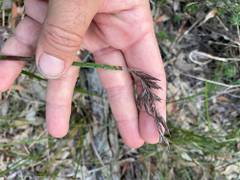
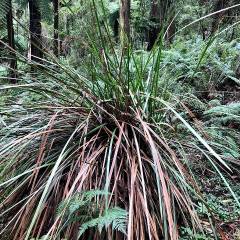
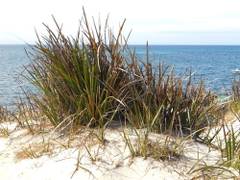
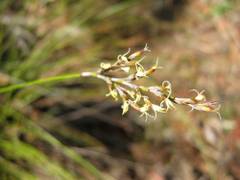
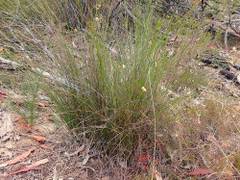
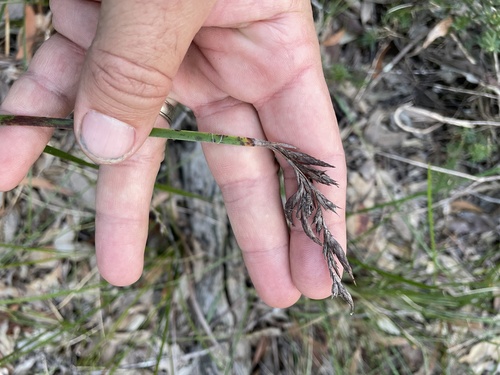
Lepidosperma is a genus of around 80 species of rhizomatous, evergreen sedges in the sedge family, native mainly to Australia with a few species in New Zealand, New Caledonia, and Southeast Asia. Plants form dense clumps or spreading colonies of stiff, erect stems and leaves 0.3-2 m (1-6.5 ft) tall, the flattened or cylindrical blades often sharp-edged, which gives many species the common name sword-sedge. The leaves are usually grey-green to blue-green and rigid. Small brown flower spikelets are clustered in narrow, sometimes branched, terminal heads, followed by hard nut-like seeds with a basal corky appendage. Species grow in heathland, woodland understorey, swamp margins, and coastal dunes, on sandy or peaty soils, and many spread by tough rhizomes. The sharp leaf edges make handling awkward, and vigorous species can spread widely in suitable ground. Species such as L. gladiatum are planted for dune stabilisation and water-wise gardens.
Native Range
Lepidosperma is native mainly to Australia, where it occurs in every state, with additional species in New Zealand, New Caledonia, Borneo, and parts of Southeast Asia. Plants grow in heath, sclerophyll woodland, wetlands, and coastal dunes.Suggested Uses
Lepidosperma is planted for dune and slope stabilisation, in rain gardens and bog edges, and in native and water-wise plantings. The clumping form suits mass planting and erosion control. The stems and seed support insects and seed-eating birds.How to Identify
Appearance
Size & Dimensions
Height1' - 6'6"
Width/Spread1' - 4'
Colors
Bloom Information
Flowering occurs mainly in spring and summer, around September-January in the native range, when the brown spikelets appear at the stem tips. The flowers are wind-pollinated and inconspicuous. Seed heads persist for some time after flowering.
Detailed Descriptions
Foliage Description
grey-green to blue-greenGrowing Conditions
Sun Requirements
Requires 4-10 hours of direct sunlight daily
• Full Sun: 6+ hours of direct sunlight
• Partial Shade: 3-6 hours of direct sunlight
• Full Shade: Less than 3 hours of direct sunlight
Care & Maintenance
Care Guide
Lepidosperma grows in full sun to part shade on sandy, peaty, or gravelly soils, tolerating both seasonally wet ground and extended dry periods once established. Many species accept poor, low-nutrient soils and a pH range of about 5.0-7.0. Plants are frost-hardy in mild temperate zones but vary in cold tolerance. They need little water after establishment and spread by rhizomes, which can be contained by planting in defined beds or containers. The sharp leaf margins make division and trimming awkward. Growth is slow to moderate.Pruning
Old or untidy foliage can be cut back in late winter before new growth, and clumps are trimmed to remove dead leaves. Plants regrow from the rhizome after cutting. Division in spring controls spread and propagates the clump.Container Growing
Suitable for container growing
Minimum container size: 3 gallons