Image 1 of 8
1 / 8
© No machine-readable author provided. Jddmano assumed (based on copyright claims)., some rights reserved (CC-BY-SA) · Wikimedia Commons
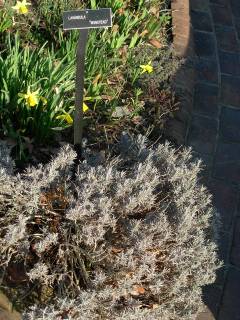
Lavandula, Genus, ×, Hybrid, intermedia, Species, 'Phenomenal', Cultivar,
- Genus & species
- Hybrid
- Cultivar
Phenomenal Lavender
Horticultural origin (Mediterranean parent species)
Overview
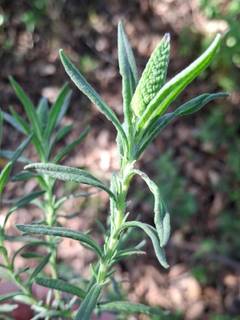
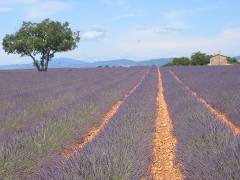
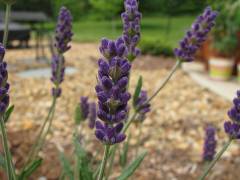
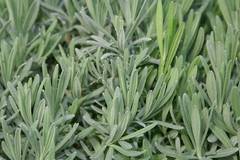
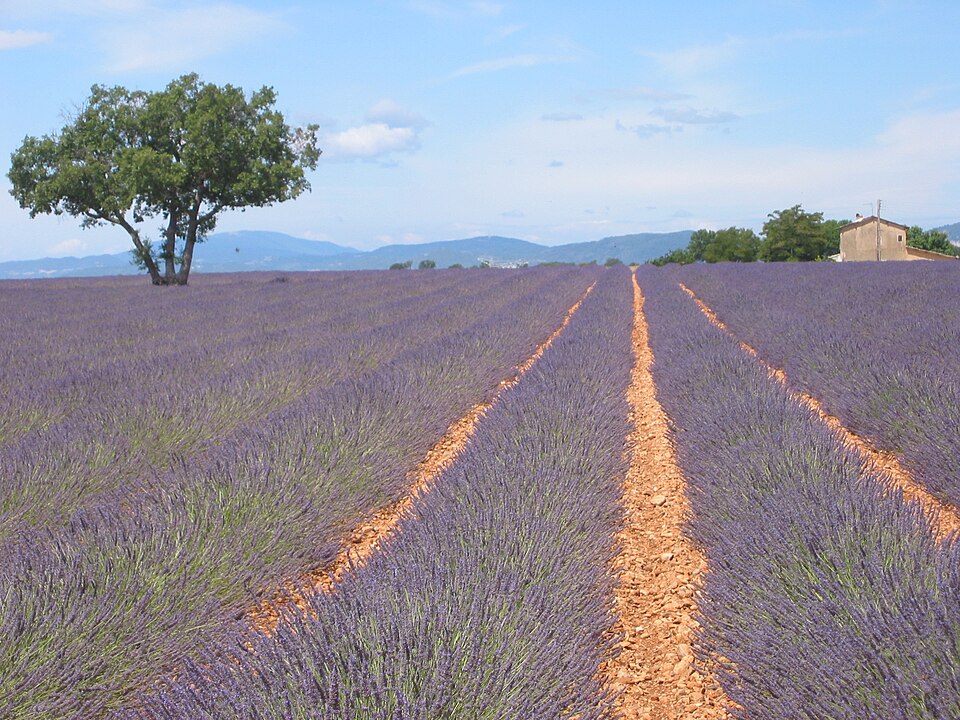
'Phenomenal' is a semi-evergreen woody-based subshrub cultivar of Lavandula × intermedia reaching 24-32 inches (60-80 cm) tall and 30-36 inches (75-90 cm) wide. Stems woody at the base with herbaceous flowering tips. Linear silver-gray foliage 1-2 inches (2.5-5 cm) long, narrow and slightly fuzzy with a fragrant resinous scent when crushed. Flower spikes 12-18 inches (30-45 cm) long held above the foliage on long peduncles, packed with whorls of small blue-violet tubular flowers in late June through early August. Each flower spike measures 3-5 inches (8-13 cm) of dense bloom. Bred to tolerate summer humidity and winter cold; remains viable in zones 5-9 where L. angustifolia cultivars commonly fail in winter wet or summer humidity. Plants form a uniform mounded shape and maintain density without leggy bare centers for 5-7 years before woody decline begins. Susceptible to root rot in poorly drained soils. Foliage is mildly toxic to dogs and cats if consumed in large quantity, causing gastrointestinal upset.
Native Range
Lavandula × intermedia (lavandin) is a horticultural hybrid between L. angustifolia and L. latifolia, both Mediterranean species native to limestone hills and rocky slopes of southern France, Spain, Italy, and the western Balkans at 1,000-5,500 feet (300-1,700 m) elevation. 'Phenomenal' was introduced in 2008 by Peace Tree Farm in Pennsylvania.Suggested Uses
Used in herb gardens, perennial borders, knot gardens, and as a low informal hedge planted at 24-30 inch (60-75 cm) spacing in zones 5-9. Flowers are commonly cut for fresh and dried arrangements; harvest at half-open stage for maximum fragrance retention. Container culture works in pots of at least 7 gallons (26 L) with sandy potting medium and protection from winter wet.How to Identify
Appearance
Size & Dimensions
Height2' - 2'8"
Width/Spread2'6" - 3'
Colors
Bloom Information
Flowering begins in mid- to late June in zones 6-8, and 1-2 weeks earlier in zone 9. Peak bloom lasts 4-6 weeks, ending by early August in most regions. Spikes age to dry papery purple and remain on the plant through fall, persisting as a tan-brown texture into winter unless cut. L. × intermedia bloom is 2-3 weeks later than L. angustifolia in the same garden.
Detailed Descriptions
Foliage Description
Silver-grayGrowing Conditions
Sun Requirements
Requires 8-12 hours of direct sunlight daily
• Full Sun: 6+ hours of direct sunlight
• Partial Shade: 3-6 hours of direct sunlight
• Full Shade: Less than 3 hours of direct sunlight
Care & Maintenance
Care Guide
Well-drained or sandy soil with neutral to slightly alkaline pH is required; heavy clay soils require amendment with grit or planting on a mound. Water weekly during the first growing season; established plants tolerate 4-6 weeks of drought and decline with overwatering. No fertilizer is needed; light top-dressing with compost in early spring is occasionally used. Phytophthora root rot is the primary cause of plant death and develops in soils that remain saturated for more than 24-48 hours. Spittlebugs and four-lined plant bugs may damage foliage in early summer; damage is cosmetic. Plants are typically replaced every 7-10 years when stems become woody and bloom declines.Pruning
Cut spent flower spikes by half within 2 weeks after bloom ends; this prompts compact regrowth and reduces self-seeding. Trim woody-based plants in mid-spring after new growth emerges, removing 1/3 of the previous year's growth and avoiding cuts into bare wood from which the plant cannot regenerate. Heavy fall pruning into woody growth eliminates next year's bloom and shortens plant lifespan.Pruning Schedule
Prune: April–May & August
late springsummer
Container Growing
Suitable for container growing
Minimum container size: 7 gallons