Image 1 of 8
1 / 8
Photo byCommunity
Lavandula, Genus, angustifolia, Species,
- Genus & species
English lavender
Western Mediterranean — mountainous areas of southern France, Spain, Italy, and the Balkans; dry rocky slopes and limestone garrigue at 2,000-6,000 feet (600-1,800 m)
Overview
Lavandula angustifolia is English lavender (true lavender), a mounding evergreen shrub growing 12-24 inches (30-60 cm) tall and 12-30 inches (30-76 cm) wide. Lavender-blue to violet flower spikes 2-4 inches (5-10 cm) on wiry stems 6-12 inches (15-30 cm) above the foliage in June-August (4 weeks). Strongly fragrant — the source of culinary lavender and the finest essential oil. Gray-green to silvery-green narrow aromatic leaves 1-2.5 inches (2.5-6 cm). In Lamiaceae. Angustifolia = narrow-leaved. The hardiest Lavandula species (zone 5). Native to the western Mediterranean mountains. Root rot in wet winter soil is the primary cause of death — sharp drainage is critical. Do not cut into old bare wood (no regeneration). Tolerates alkaline and chalky soils. Culinary and essential oil uses. Drought-tolerant. Deer-resistant. Non-toxic. Zones 5-9. Full sun (6+ hours). Growth rate is moderate.
Native Range
Native to the western Mediterranean — mountainous areas of southern France, Spain, Italy, and the Balkans. Found on dry rocky slopes and limestone garrigue at 2,000-6,000 feet (600-1,800 m).Suggested Uses
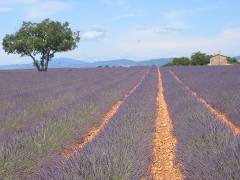
Grown in herb gardens, borders, lavender hedges, and in containers of at least 3 gallons (11 L), spaced 12-30 inches (30-76 cm). Culinary lavender. Essential oil. Sharp drainage. Non-toxic. Zones 5-9.How to Identify
Appearance
Size & Dimensions
Height1' - 2'
Width/Spread1' - 2'6"
Bloom Information
Summer (June-August). Lavender-blue to violet flower spikes 2-4 inches (5-10 cm) on wiry stems. Strongly fragrant. 4 weeks. Bee- and butterfly-visited. Shear spent spikes for possible second flush.
Detailed Descriptions
Flower Description
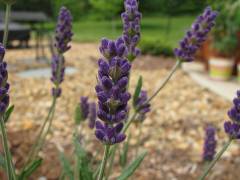
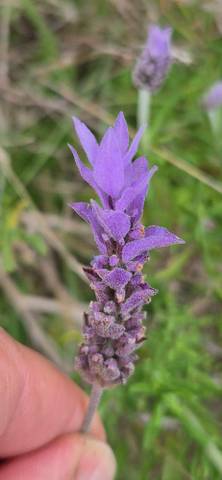
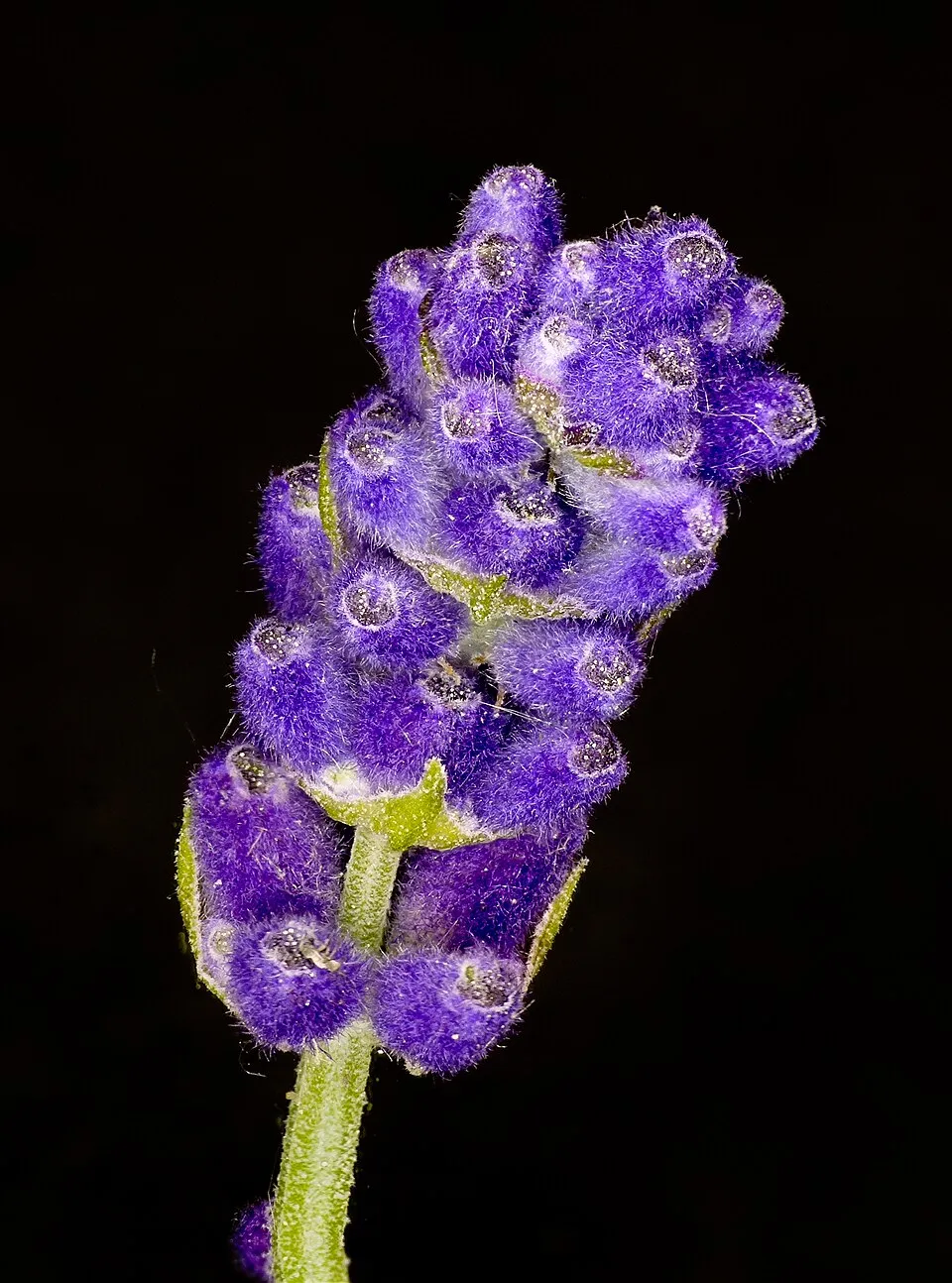
Lavender-blue to violet, tiny tubular flowers 0.2 inch (5 mm) densely packed in terminal spikes 2-4 inches (5-10 cm) on wiry stems 6-12 inches (15-30 cm) above the foliage; June-August; strongly fragrant (the classic lavender scent — used in essential oils, sachets, culinary applications, and perfumery)Foliage Description
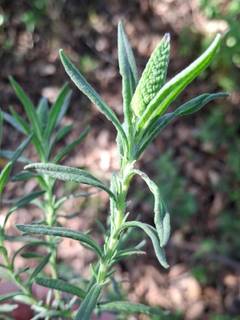
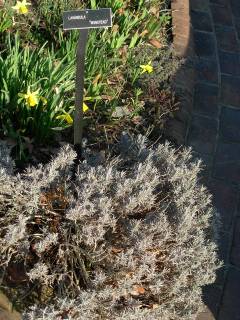
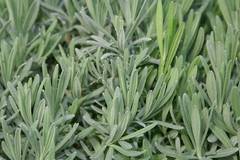
Gray-green to silvery-green, narrow, linear, 1-2.5 inches (2.5-6 cm), aromatic; the gray-silver color comes from dense short hairs; evergreen in mild climates, may die back in zone 5 wintersGrowing Conditions
Sun Requirements
Requires 6-10 hours of direct sunlight daily
• Full Sun: 6+ hours of direct sunlight
• Partial Shade: 3-6 hours of direct sunlight
• Full Shade: Less than 3 hours of direct sunlight
Care & Maintenance
Care Guide
Full sun (6-10 hours). Well-drained sandy, loamy, or chalky soil pH 6.5-8.0. Sharp drainage critical — root rot in wet winter soil. Drought-tolerant. Prune back by one-third in early spring (March-April). Shear spent flower spikes (July). Never cut into old bare wood. Deer-resistant. Non-toxic. Zones 5-9.Pruning
Prune back by one-third in early spring (March-April) — cut into green wood, never into old bare wood (no regeneration). Shear spent flower spikes after first flush (July). This annual shearing maintains a compact mound and prevents the woody open center that kills lavender.Pruning Schedule
Prune: March–April & July
early springsummer
Container Growing
Suitable for container growing
Minimum container size: 3 gallons
Toxicity
Non-toxicPlanting Guide
Planting Methods & Timing
Planting Method
transplant
Indoor Start
10 weeks before last frost
Days to Maturity
120–150 days
Plant Spacing
18 inches