Image 1 of 10
1 / 10
© No machine-readable author provided. Jddmano assumed (based on copyright claims)., some rights reserved (CC-BY-SA) · Wikimedia Commons
Lavandula, Genus, ×, Hybrid, intermedia, Species,
- Genus & species
- Hybrid
Lavandin
Mediterranean (natural hybrid zone: S France, Spain, Portugal; where L. angustifolia and L. latifolia ranges overlap at intermediate elevations)
Overview
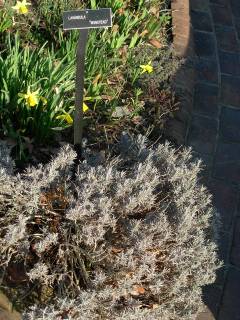
Lavandula × intermedia, commonly called lavandin, is a woody-based evergreen mounding sub-shrub reaching 24–36 inches (60–90 cm) tall with a spread of 24–36 inches (60–90 cm). The taxon is a naturally occurring hybrid between Lavandula angustifolia (English lavender) and Lavandula latifolia (spike lavender), and the hybrid carries intermediate traits between its parent species alongside hybrid vigor that makes the plant larger and more vigorous than Lavandula angustifolia and later-blooming. Aromatic gray-green narrow linear leaves 1.5–2.5 inches (4–6 cm) long run evergreen through all but the coldest zone-5 winters. Flower spikes 2–4 inches (5–10 cm) long open on unbranched peduncles 8–12 inches (20–30 cm) above the foliage—a taller and more widely spaced flower presentation than the parent Lavandula angustifolia. Flower color ranges from violet-blue to purple depending on cultivar selection within the hybrid group. Fragrance runs stronger and more camphoraceous than Lavandula angustifolia, which positions the hybrid as the primary source of commercial lavender essential oil globally. The hybrid is sterile and produces no viable seed, so propagation through commerce runs entirely by cuttings. Growth rate is moderate to fast. Hardy to zone 5.
Native Range
Lavandula × intermedia is a natural hybrid arising where the parent species ranges overlap at intermediate elevations in the Mediterranean basin. Lavandula angustifolia is native to the western Mediterranean (France, Spain, Italy) at higher elevations; Lavandula latifolia is native to the central and eastern Mediterranean (Spain through Greece) at lower warmer elevations. The hybrid zone where both parents co-occur and cross-pollinate runs through southern France, northeastern Spain, and Portugal at intermediate altitudes between the two parents' typical habitats. Commercial cultivation of the hybrid centers in Provence, France, where the plant has been grown since the late 19th century for perfumery and essential oil production.Suggested Uses
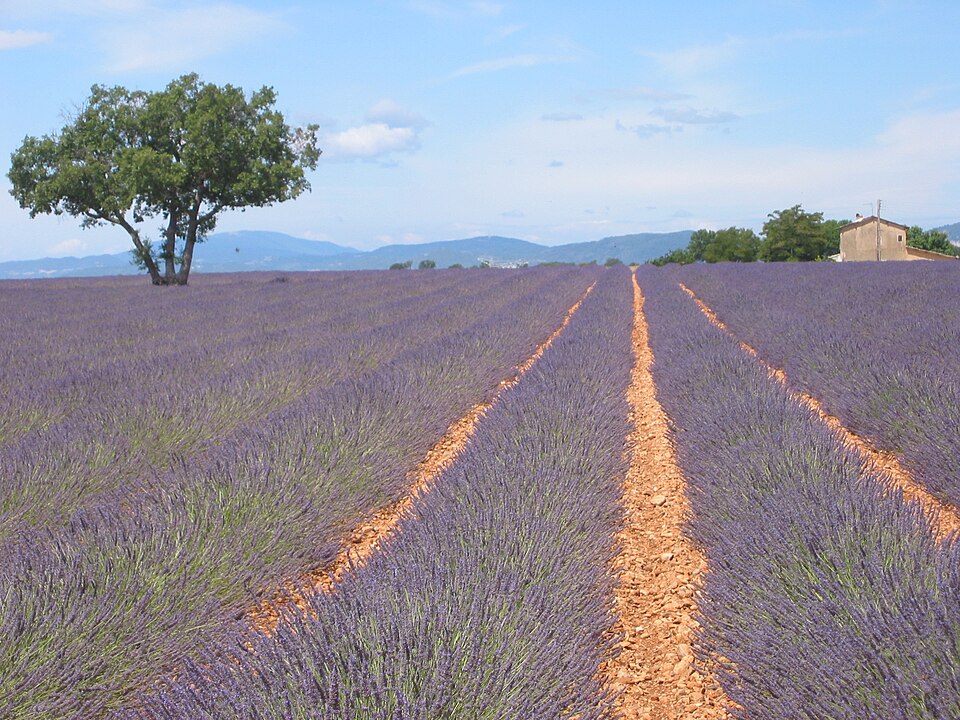
Planted in herb gardens, Mediterranean-style plantings, gravel gardens, and lavender hedges at 24–30 inch (60–75 cm) spacing in zone-5-and-warmer gardens. Commercial lavender oil production centers on this hybrid—the camphoraceous fragrance runs stronger than Lavandula angustifolia and carries distinct aromatic character that reads clearly in dried flowers and distilled oil. Larger plant size and greater vigor than Lavandula angustifolia fill garden space faster and cover a given hedge length with fewer plants. Hybrid sterility means no volunteer self-seeding—the species stays in its original garden position. Sharp drainage is non-negotiable; wet winter soils, heavy clay without amendment, high humidity, shade, and rich amended beds are poor fits for the taxon.How to Identify
Appearance
Size & Dimensions
Height2' - 3'
Width/Spread2' - 3'
Bloom Information
Violet-blue to purple flower spikes 2–4 inches (5–10 cm) long open on unbranched peduncles 8–12 inches (20–30 cm) above the foliage from July through August. Bloom timing runs 2–4 weeks later than Lavandula angustifolia, which extends the overall lavender bloom season in gardens where both taxa are planted together. Active bloom duration is 4–6 weeks. Flowers draw bees heavily through the bloom window and serve as a reliable late-summer nectar source.
Detailed Descriptions
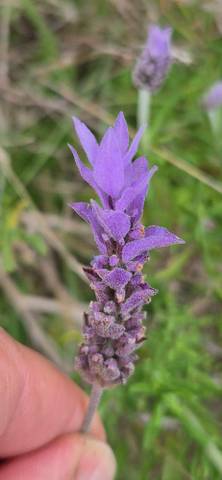
Flower Description
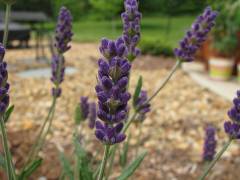
Violet-blue to purple spikes 2-4 inches on unbranched peduncles 8-12 inches above foliage; camphoraceous fragranceFoliage Description
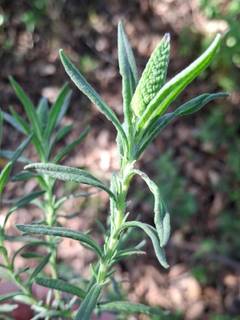
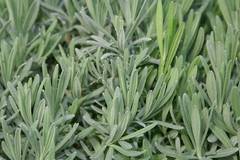
Gray-green, aromatic, narrow linear 1.5-2.5 inches; evergreen; woolly when youngGrowing Conditions
Sun Requirements
Requires 6-10 hours of direct sunlight daily
• Full Sun: 6+ hours of direct sunlight
• Partial Shade: 3-6 hours of direct sunlight
• Full Shade: Less than 3 hours of direct sunlight
Care & Maintenance
Care Guide
Full sun in lean sharply drained neutral to alkaline soil (pH 6.5–8.0) matches the hybrid's cultivation needs. Hardy to zone 5 (−20°F / −29°C). Full sun and sharp drainage together determine the plant's long-term survival—root rot in waterlogged winter soils is the primary cause of premature loss, and the hybrid is more sensitive to wet winters than to cold winters. Lean soil carries the strongest essential oil production and most compact foliage; rich amended soil produces vigorous foliage growth but reduced oil content and more open floppy form. Heat, drought, and poor soils are tolerated once the plant is established. Wet winter soils and high summer humidity are the limiting factors for cultivation across the American Southeast and Pacific Northwest river-valley gardens.Pruning
Annual pruning in early spring (March–April) cuts back the previous year's growth by one-third to one-half, staying within green wood and not cutting into old bare wood—lavender does not regenerate from old bare stems, so pruning that reaches the woody base kills the affected branches permanently. A secondary light shearing after flowering maintains the mounded shape through summer. Skipping annual pruning causes the plant to become leggy and woody within 3–5 years, and the resulting bare-based form cannot be rejuvenated by hard cutback.Pruning Schedule
Prune: March–April
early spring
Container Growing
Suitable for container growing
Minimum container size: 5 gallons