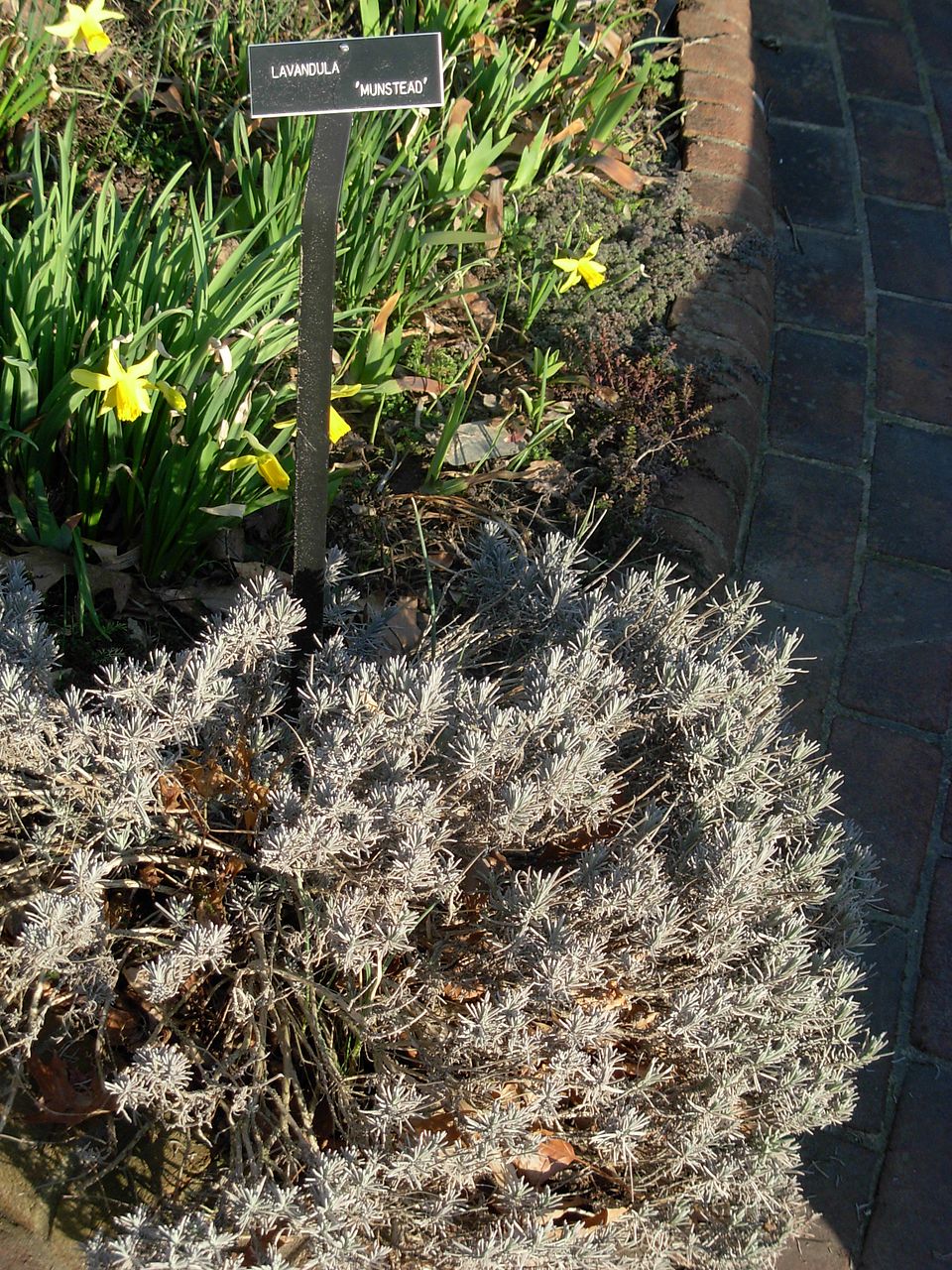
Lavandula, Genus, angustifolia, Species, 'Munstead', Cultivar,
- Genus & species
- Cultivar
Munstead lavender
Garden selection; species native to the western Mediterranean; named after Munstead Wood, Gertrude Jekyll's garden
Overview
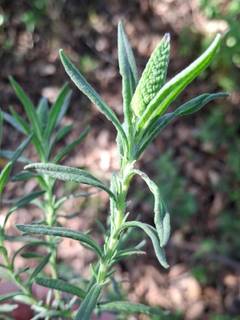
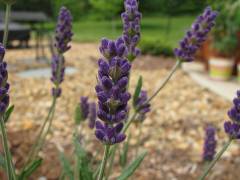
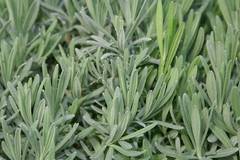
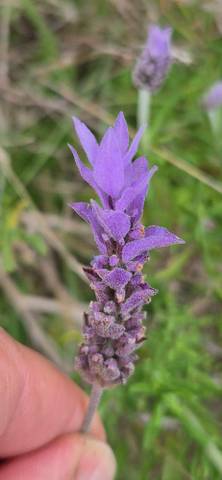
Lavandula angustifolia 'Munstead' is an English lavender in the Lamiaceae family named after Munstead Wood — the historic Surrey garden of Gertrude Jekyll, the pioneer of the English cottage garden movement. Plants grow 12-18 inches (30-45 cm) tall and 18-24 inches (45-60 cm) wide. Lavender-blue flower spikes — lighter and softer in color than the deep violet-purple 'Hidcote' — appear in June and July. 'Munstead' often blooms a week or two earlier than 'Hidcote', making it among the earliest English lavenders. The lighter color gives a softer, more romantic impression compared to the bold 'Hidcote'. Gray-green narrow aromatic evergreen foliage. The same strong lavender fragrance and culinary value as 'Hidcote'. The color choice between these two heritage cultivars is the primary decision: 'Hidcote' for deep violet-purple drama, 'Munstead' for lighter lavender-blue romance. Same cultural needs: lean, alkaline, sharply drained soil in full sun. Old brown wood does not regrow after cutting, so pruning stays in the green growth zone. Deer avoid the aromatic foliage. Culinary herb.
Native Range
The species Lavandula angustifolia is native to the western Mediterranean. 'Munstead' is named after Munstead Wood, Gertrude Jekyll's garden in Surrey, England.Suggested Uses
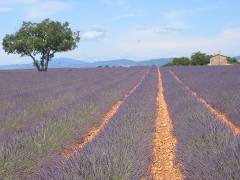
Used as a fragrant evergreen hedge, border edging, herb gardens, and containers of 5 gallons (19 liters) or more. The softer blue alternative to 'Hidcote'. Named after the most famous garden in English history. Culinary, sachets, dried arrangements.How to Identify
Appearance
Size & Dimensions
Height1' - 1'6"
Width/Spread1'6" - 2'
Colors
Bloom Information
Flowering in June and July, approximately 4 weeks. Lavender-blue spikes — often 1-2 weeks earlier than 'Hidcote'.
Detailed Descriptions
Flower Description
Lavender-blue (lighter than 'Hidcote'), in terminal spikesFoliage Description
Gray-green, narrow, aromatic, evergreenGrowing Conditions
Sun Requirements
Requires 6-12 hours of direct sunlight daily
• Full Sun: 6+ hours of direct sunlight
• Partial Shade: 3-6 hours of direct sunlight
• Full Shade: Less than 3 hours of direct sunlight
Care & Maintenance
Care Guide
Plant in full sun. Lean, sharply drained, alkaline soil. Pruning in early spring stays in the green growth zone — old brown wood does not regrow. Shearing after bloom maintains shape. Culinary herb.Pruning
Pruning in early spring stays in the green growth zone — old brown wood does not regrow. Shearing after bloom maintains shape.Pruning Schedule
Prune: March–April & August
early springsummer
Container Growing
Suitable for container growing
Minimum container size: 5 gallons