Image 1 of 8
1 / 8
© No machine-readable author provided. Jddmano assumed (based on copyright claims)., some rights reserved (CC-BY-SA) · Wikimedia Commons
Lavandula, Genus, spp., Multiple species,
- Genus
- Multiple species
lavenders
Mediterranean basin, North Africa, Middle East, Arabia, and India
Overview
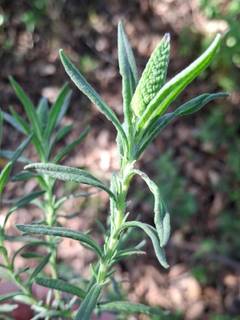
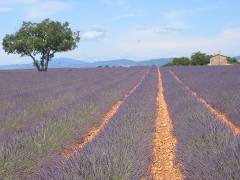
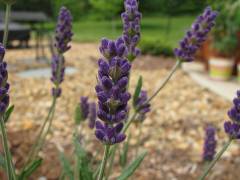
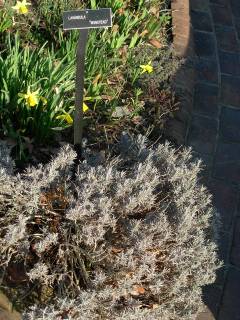
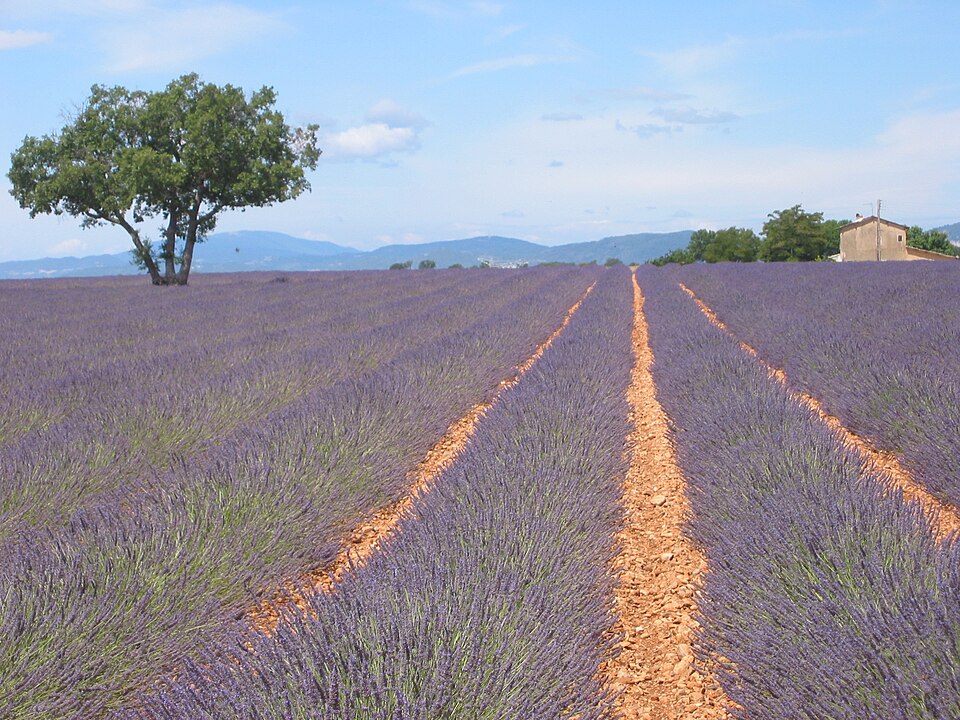
Lavandula is a genus of about 47 species of aromatic evergreen shrubs and subshrubs in the family Lamiaceae, native to the Mediterranean basin and extending through North Africa, the Middle East, the Arabian Peninsula, and into India. Plants form rounded, woody-based mounds 8 to 40 inches (20 to 100 cm) tall and wide, clothed in narrow, often grey-green leaves that are linear in most species and toothed or lobed in others. The whole plant carries aromatic oil glands, and the foliage and flowers give off a strong scent when brushed. Small tubular flowers are grouped into dense spikes held above the foliage on slender stalks; flower colour ranges through violet, blue, purple, pink, and white, and in species such as L. stoechas the spike is topped by a tuft of sterile coloured bracts. Flowering occurs mainly in summer and draws bees and other pollinating insects. L. angustifolia is grown for cold hardiness and oil quality, L. × intermedia for high oil yield, and L. stoechas and L. dentata for early bloom in mild climates. The plants are adapted to hot, dry, alkaline sites and decline in waterlogged soil, which shortens their lifespan.
Native Range
Native to the Mediterranean basin and adjoining regions, including North Africa, the Canary Islands, the Middle East, the Arabian Peninsula, and parts of India. The center of diversity lies around the western Mediterranean.Suggested Uses
Planted as low hedges, in herb and gravel gardens, along path edges, and in containers. Flowers and foliage are harvested for essential oil, dried arrangements, culinary use, and sachets. The summer flowers are visited by bees and butterflies.How to Identify
Appearance
Size & Dimensions
Height8" - 3'4"
Width/Spread8" - 4'
Colors
Bloom Information
Most species flower from late spring through summer, roughly May to August, with the main flush in June and July. L. stoechas and L. dentata begin earlier in mild regions and may repeat into autumn. Removal of spent spikes can prompt a second, lighter flush in some species.
Detailed Descriptions
Flower Description
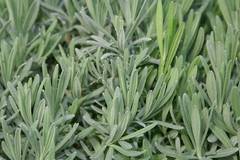
violet, purple, blue, pink, and whiteFoliage Description
grey-green to silver-greenGrowing Conditions
Sun Requirements
Requires 6-12 hours of direct sunlight daily
• Full Sun: 6+ hours of direct sunlight
• Partial Shade: 3-6 hours of direct sunlight
• Full Shade: Less than 3 hours of direct sunlight
Water & Climate
Water Needs
Drought Tolerance
Drought tolerant when established
Care & Maintenance
Care Guide
Lavandula species grow in full sun and sharply drained soil, tolerating poor, stony, and alkaline ground. They withstand heat and drought once established and decline in heavy, wet, or shaded conditions. Soil pH from 6.5 to 8.0 suits the genus, and lean soil produces firmer growth and stronger scent than rich soil. Hardiness varies widely: L. angustifolia tolerates winter cold to USDA zone 5, while L. dentata and L. stoechas suffer damage below about 15F (-9C). Light annual trimming keeps plants compact and slows the woody, bare-stemmed state that develops with age.Pruning
Trimming after the main flowering removes spent spikes and the top inch or two (2 to 5 cm) of leafy growth, which maintains a rounded shape. Cutting into old bare wood is avoided because most species regrow poorly from leafless stems. A light prune each year extends the useful life of the plant.Pruning Schedule
Prune: August–September
summerfall
Container Growing
Suitable for container growing
Minimum container size: 2 gallons