Lavandula, Genus, ×, Hybrid, intermedia, Species, 'Grosso', Cultivar,
- Genus & species
- Hybrid
- Cultivar
Grosso lavandin
Garden origin (parent species from the western Mediterranean)
Overview
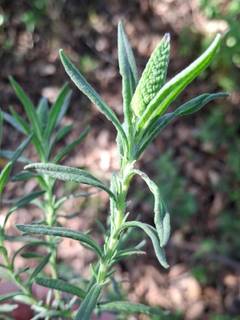
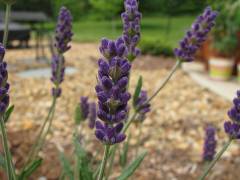
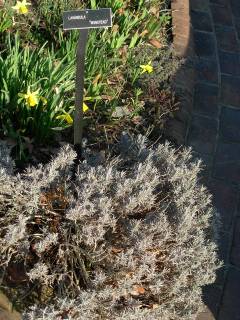
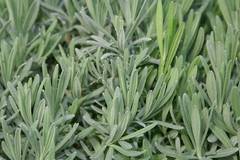
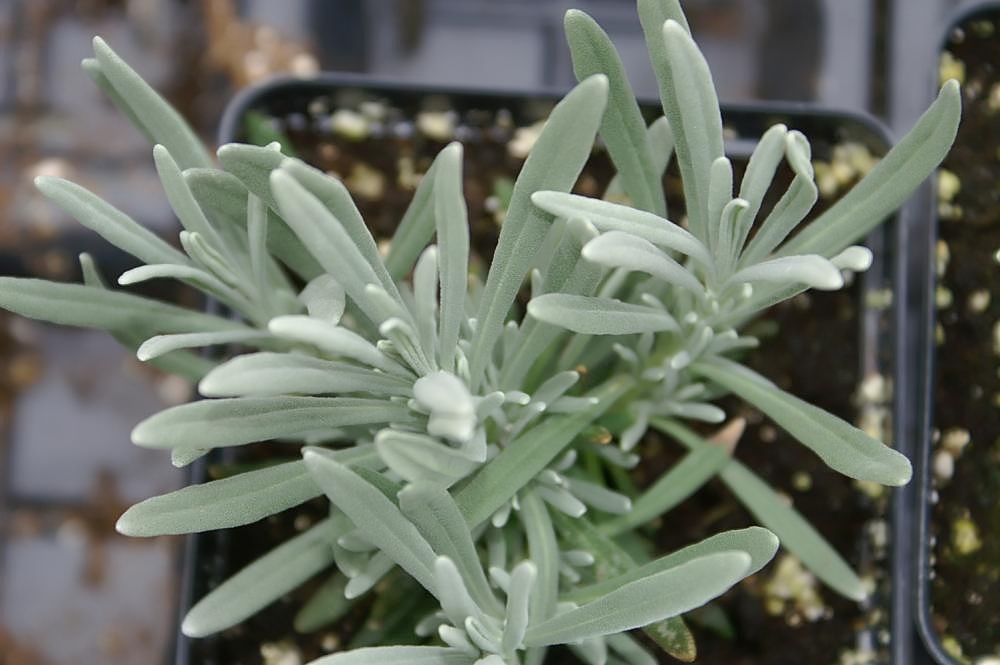
Lavandula × intermedia 'Grosso' is a cultivar of lavandin, a sterile hybrid of L. angustifolia and L. latifolia, in the family Lamiaceae; both parent species are native to the western Mediterranean. Plants form rounded, evergreen to semi-evergreen subshrubs 24–36 inches (60–90 cm) tall and 30–36 inches (75–90 cm) wide. Leaves are linear to lance-shaped, 2–3 inches (5–7.5 cm) long, gray-green, and covered with short, felted hairs. Flowers are deep violet-blue, in dense spikes 2–3 inches (5–7.5 cm) long on leafless stems 24–30 inches (60–75 cm) tall in July and August. Flower spikes contain more camphor and yield more essential oil per plant than L. angustifolia, and the cultivar is grown commercially for oil and dried flowers. Plants are hardy in USDA zones 5–8 and require full sun and well-drained soil. Wet winter soil and high humidity cause root rot and dieback. Plants lose density and become woody at the base after 5–7 years.
Native Range
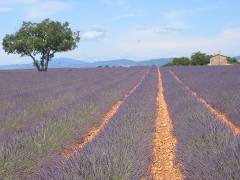
The parent species L. angustifolia and L. latifolia are native to the western Mediterranean, on dry, rocky, limestone slopes. The hybrid arose in cultivation in southern France, where it is grown in large fields.Suggested Uses
Used in herb gardens, borders, low hedges, and for cut and dried flowers, spaced 30–36 inches (75–90 cm) apart. Dried spikes are used in sachets and for essential oil. Sensitivity to wet soil and humidity limits use in heavy clay and in humid summer climates.How to Identify
Appearance
Size & Dimensions
Height2' - 3'
Width/Spread2'6" - 3'
Bloom Information
Flowers open in July and August, about 2–3 weeks later than L. angustifolia. Each spike remains in flower for 2–3 weeks, and plants remain in bloom for 4–6 weeks. Flowers are visited by bees and butterflies. The hybrid is sterile and does not set viable seed.
Detailed Descriptions
Foliage Description
Gray-greenGrowing Conditions
Sun Requirements
Requires 6-8 hours of direct sunlight daily
• Full Sun: 6+ hours of direct sunlight
• Partial Shade: 3-6 hours of direct sunlight
• Full Shade: Less than 3 hours of direct sunlight
Care & Maintenance
Care Guide
Growth and flowering are heaviest in full sun, with 6–8 hours of direct light, in lean, gravelly, well-drained soil of pH 6.5–8.0. Water is applied weekly for the first season, and established plants tolerate long dry periods. Cold hardiness is USDA zones 5–8, and plants in zone 5 are damaged by wet winter conditions. Plants are spaced 30–36 inches (75–90 cm) apart to allow air circulation. Excess fertilizer and rich soil reduce flowering and shorten plant life.Pruning
Pruning is done immediately after flowering in late summer, cutting back one-third of the plant to a point just above green shoots. Cuts into leafless old wood do not regrow. Light shaping is repeated in early spring in mild climates. Spent flower stems are removed to maintain shape.Pruning Schedule
Prune: August–September
summer
Container Growing
Suitable for container growing
Minimum container size: 3 gallons