Image 1 of 16
1 / 16
Plant Reference
Lamium, Genus, maculatum, Species,
- Genus & species
deadnettle
Europe and western Asia; deciduous woodlands, hedgerows, and shaded disturbed sites
Overview
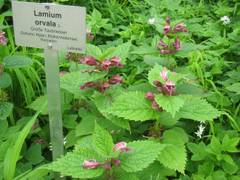
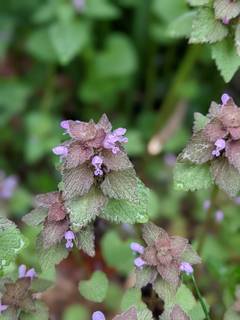
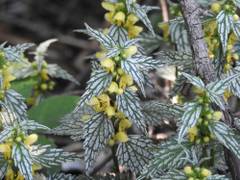
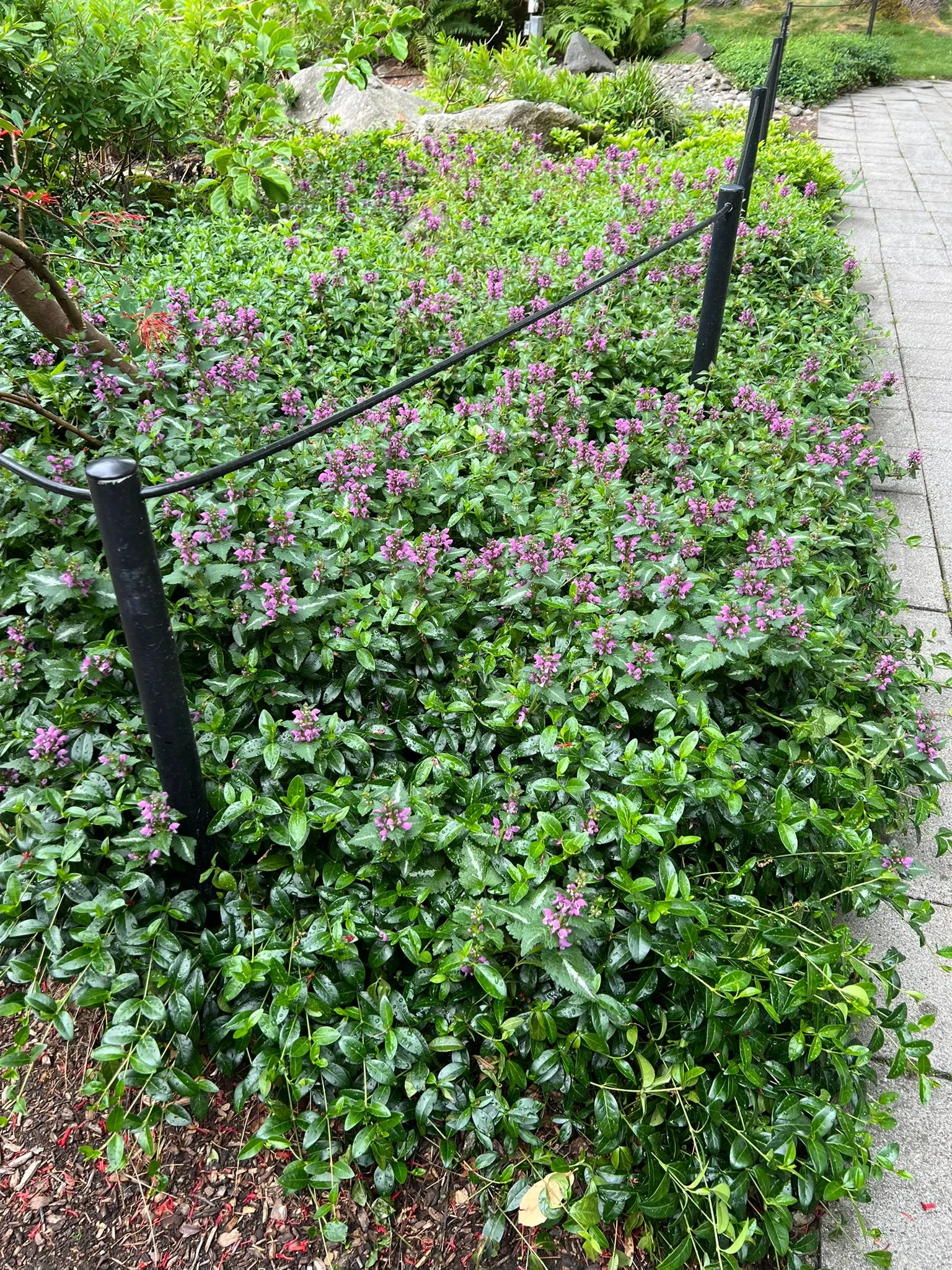
Lamium maculatum is spotted deadnettle, a low spreading semi-evergreen perennial growing 6-12 inches (15-30 cm) tall and 18-36 inches (45-90 cm) wide. Two-lipped hooded flowers 0.5-0.75 inch (1.3-2 cm) in pink, purple, or white in whorled clusters at leaf axils from April through July (12 weeks). Heart-shaped to triangular toothed leaves 1-2 inches (2.5-5 cm) with a central silver or white stripe. In Lamiaceae (square stems). Maculatum = spotted. Called deadnettle because the leaves resemble stinging nettle (Urtica) but do not sting. Spreads by trailing stems that root at the nodes — the rate of spread varies by cultivar. This spreading habit can be either an asset (ground cover) or a limitation (colonizing adjacent plantings). Common cultivars: 'White Nancy' (silver leaves, white flowers), 'Beacon Silver' (silver, pink), 'Purple Dragon' (silver, purple). Shear back by half in midsummer for a fresh compact flush. Not drought-tolerant — leaf scorch and thinning in dry shade. Native to Europe and western Asia. Deer-resistant. Non-toxic. Zones 3-8. Part shade to full shade. Growth rate is fast.
Native Range
Native to Europe and western Asia. Found in deciduous woodlands, hedgerows, and shaded disturbed sites.Suggested Uses
Grown as a shade ground cover, in woodland gardens, border edges, and in containers of at least 3 gallons (11 L), spaced 18-36 inches (45-90 cm). Silver-foliaged shade ground cover. Long bloom (12 weeks). Non-toxic. Deer-resistant. Zones 3-8.How to Identify
Appearance
Size & Dimensions
Height6" - 1'
Width/Spread1'6" - 3'
Bloom Information
Detailed Descriptions
Flower Description
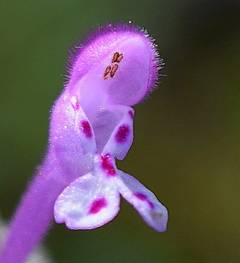
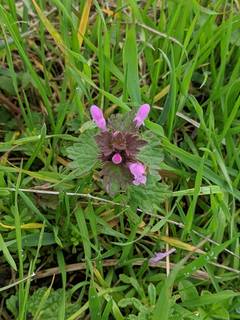
Pink, purple, or white depending on cultivar; two-lipped (bilabiate), hooded, 0.5-0.75 inch (1.3-2 cm), in whorled clusters at the leaf axils along the stemsFoliage Description
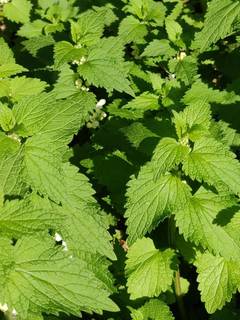
Heart-shaped to triangular, toothed, 1-2 inches (2.5-5 cm), green with a central silver or white stripe or blotch (maculatum = spotted); common cultivars: 'White Nancy' (silver leaves, white flowers), 'Beacon Silver' (silver leaves, pink flowers), 'Purple Dragon' (silver leaves, purple flowers); semi-evergreen — foliage persists in mild wintersGrowing Conditions
Sun Requirements
Requires 1-4 hours of direct sunlight daily
• Full Sun: 6+ hours of direct sunlight
• Partial Shade: 3-6 hours of direct sunlight
• Full Shade: Less than 3 hours of direct sunlight
Care & Maintenance
Care Guide
Part shade to full shade (1-4 hours). Well-drained soil pH 6.0-7.5. Not drought-tolerant — leaf scorch in dry shade. Shear back by half in midsummer for fresh foliage and rebloom. Spreads by trailing rooting stems. Remove unwanted runners to control spread. Deer-resistant. Non-toxic. Zones 3-8.Pruning
Shear the entire plant back by half in midsummer (June-July) for a fresh compact flush and rebloom. Remove trailing stems that spread beyond desired area. Remove tattered winter foliage in early spring.Pruning Schedule
Prune: June–July
summer
Container Growing
Suitable for container growing
Minimum container size: 3 gallons