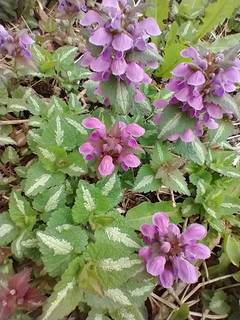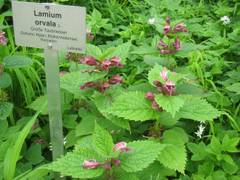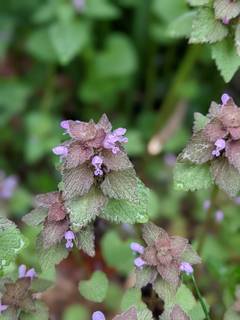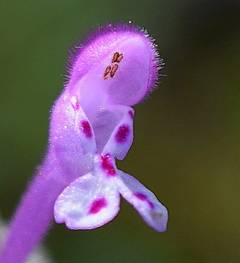
Lamium, Genus, hybridum, Species,
- Genus & species
cutleaf deadnettle
SunFull Sun – Part Shade
WaterMedium
Overview
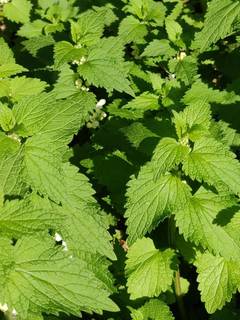
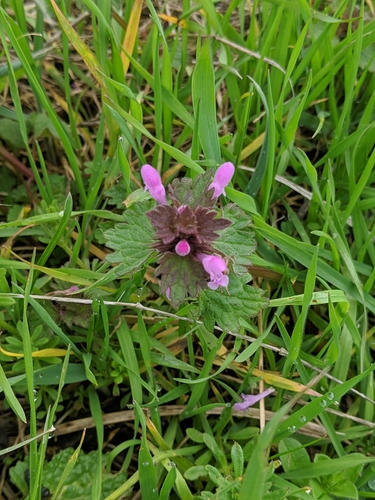
Lamium hybridum is an annual of cultivated and disturbed ground, growing 4-16 inches (10-40 cm) tall with square, branching stems that are often purple-tinged. Leaves are opposite, broadly egg-shaped to triangular, 0.4-1.6 inches (1-4 cm) long, with deeply and irregularly cut margins running down into the leaf stalk; upper leaves are usually flushed purple. The foliage has little or no scent. Two-lipped flowers are pink to red-purple, 0.4-0.6 inch (10-15 mm) long, in whorls among the upper leaves, with a slender corolla tube; they open from March through autumn and can appear in mild winters. Each flower produces up to four small nutlets. The plant germinates mainly in autumn and spring, flowers over a long season, and dies after seeding. It grows on fertile, disturbed soils in gardens, arable fields, and waste ground, often alongside Lamium purpureum, and runs through several overlapping generations where the ground stays open and bare.
Native Range
Native to Europe and western Asia, and naturalized in North America and other temperate regions. Grows on fertile, open, disturbed soils in gardens, arable land, roadsides, and waste ground, from lowlands to lower mountain elevations.Suggested Uses
Not grown ornamentally; it occurs as a volunteer weed of gardens and cultivated land. Early and prolonged flowering supplies nectar and pollen to bees in late winter and spring. In gardens it is generally removed rather than retained.How to Identify
Appearance
Size & Dimensions
Height4" - 1'4"
Width/Spread4" - 1'
Bloom Information
Flowers from March through October, and in mild areas sporadically through winter. Flowers are pollinated by bees and other long-tongued insects and can also self-pollinate. The long flowering season and repeated generations mean flowers and ripe seed are often present on the same plant.
Detailed Descriptions
Flower Description
pink to red-purpleFoliage Description
green, upper leaves purple-tingedGrowing Conditions
Sun Requirements
Requires 4-10 hours of direct sunlight daily
• Full Sun: 6+ hours of direct sunlight
• Partial Shade: 3-6 hours of direct sunlight
• Full Shade: Less than 3 hours of direct sunlight
Water & Climate
Water Needs
Care & Maintenance
Care Guide
Grows in full sun to partial shade on fertile, moist, disturbed soils, completing its cycle in a few months. Seed germinates in autumn and spring; autumn seedlings overwinter as small rosettes and flower early the following year. Tolerates a range of soils but grows fastest on cultivated, nutrient-rich ground. In gardens it is a frequent weed of bare soil between crops and is cleared by hoeing or hand-pulling before seed sets, because buried seed stays viable for several years. Young plants withstand light frost, but hard freezes kill plants once they are flowering. No feeding or watering is involved in its weedy setting.Pruning
Hoeing or hand-pulling through the growing season clears plants before seed forms and limits the soil seed bank. Cut or uprooted plants do not regrow, but new seedlings continue to emerge from buried seed. Plants left in place self-seed freely.Toxicity
Non-toxicPlanting Guide
Planting Methods & Timing
Planting Method
direct sow
Direct Sow Timing
self-sows in autumn and spring
Days to Maturity
50–80 days