Kunzea, Genus, leptospermoides, Species,
- Genus & species
Yarra burgan
Overview
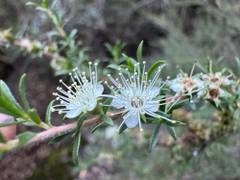
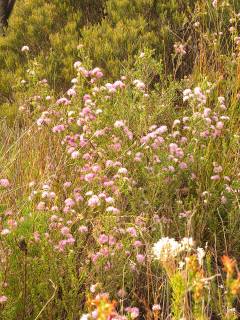
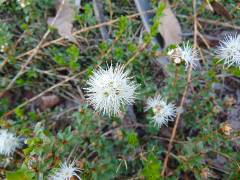
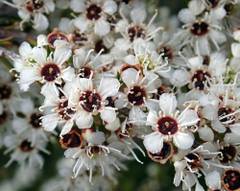
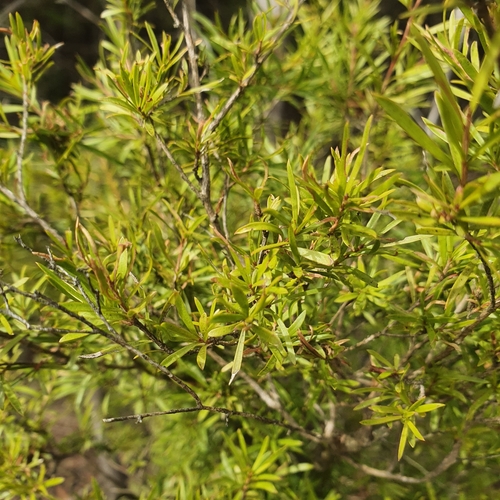
Kunzea leptospermoides is an evergreen shrub to small tree in the Myrtaceae reaching 6-20 feet (2-6 m) tall and 6-12 feet (2-3.5 m) wide, with an upright to spreading, often densely twiggy form. Bark is grey-brown and flaky on older stems. Leaves are small and narrow, 0.2-0.5 inch (5-12 mm) long, aromatic when crushed, crowded along slender branchlets. Small white flowers about 0.2-0.3 inch (5-8 mm) across cluster along the stems in late spring and summer, each with a tuft of prominent stamens. Flowering can cover the branches densely. Woody seed capsules follow, small and cup-shaped, and persist on the stems. Growth is moderate to fast, and young plants establish quickly on disturbed ground. The species can sucker and self-seed, forming thickets in open country. Lower branches shade out and drop on older plants, exposing the trunks.
Native Range
Native to south-eastern Australia, chiefly Victoria and southern New South Wales, including the Yarra River valley. Grows along watercourses, on floodplains, and in open forest and disturbed ground on a range of soils.Suggested Uses
Planted as a screen, windbreak, or revegetation shrub on a range of soils, spaced 6-10 feet (1.8-3 m) apart. Used in habitat and streamside plantings and for erosion control on banks. Suckering and self-seeding limit its use in small or formal gardens.How to Identify
Appearance
Size & Dimensions
Height6' - 20'
Width/Spread6' - 12'
Bloom Information
Detailed Descriptions
Foliage Description
GreenGrowing Conditions
Sun Requirements
Requires 6-10 hours of direct sunlight daily
• Full Sun: 6+ hours of direct sunlight
• Partial Shade: 3-6 hours of direct sunlight
• Full Shade: Less than 3 hours of direct sunlight
Care & Maintenance
Care Guide
Grows in full sun to part shade in most soils, including seasonally wet and clay soils, with strongest growth in moist, well-drained sites. Water through the first summer to establish; established plants tolerate short dry spells and periodic waterlogging. The species suckers and self-seeds and can spread into surrounding ground. Prune after flowering to keep a compact shape, as plants become open and woody with age. Few serious pests affect it, though scale and sooty mould occur on stressed plants.Pruning
Prune after flowering in late summer to maintain density and shape. The species tolerates hard pruning and reshoots from older wood, unlike many Myrtaceae. Removing spent flowering stems reduces self-seeding.Pruning Schedule
Prune: February–March
summerfall