Image 1 of 12
1 / 12
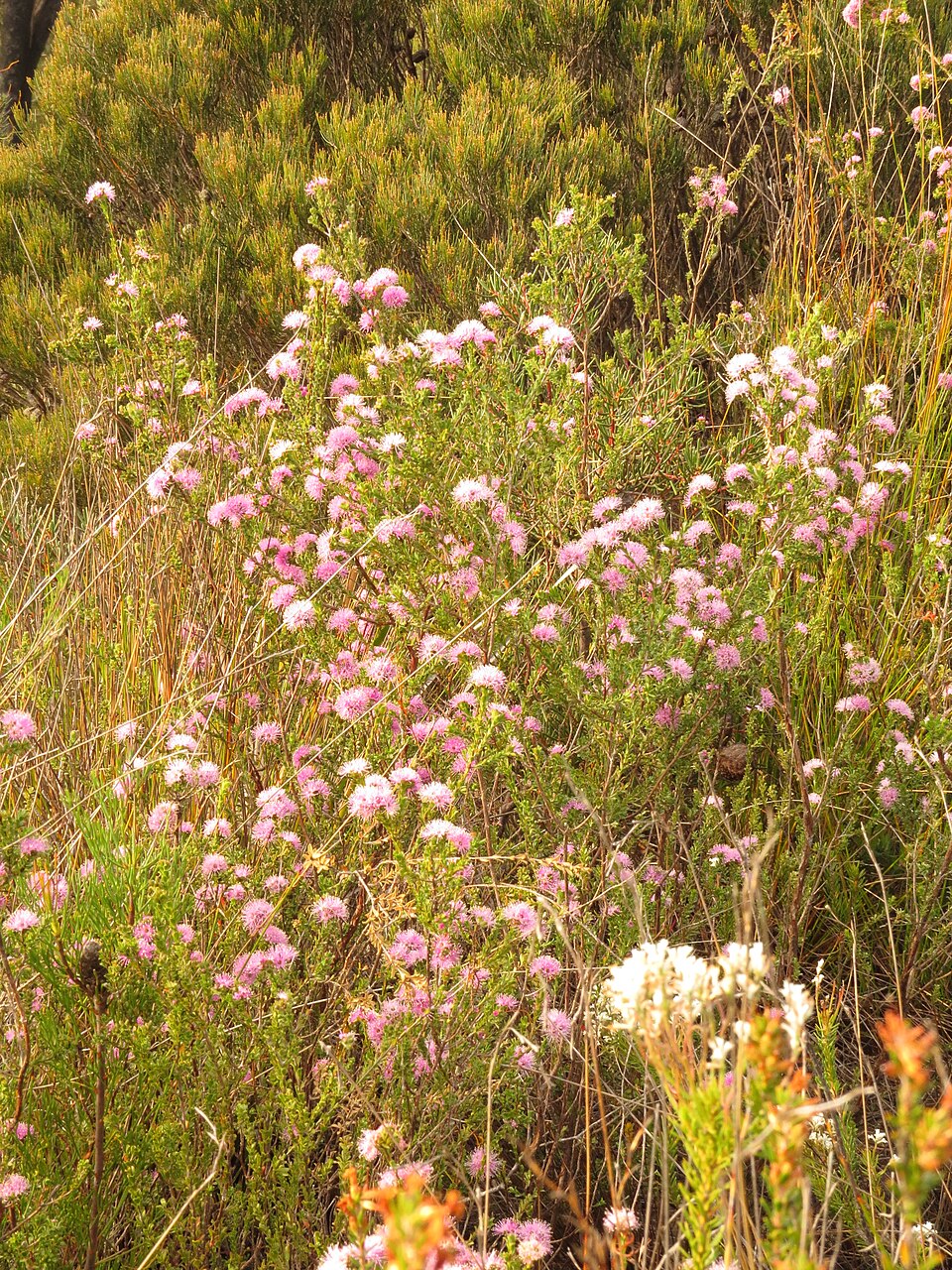
© Donald Hobern from Copenhagen, Denmark, some rights reserved (CC-BY) · Wikimedia Commons
Kunzea, Genus, capitata, Species,
- Genus & species
pink kunzea
Overview
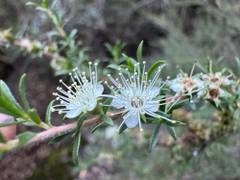
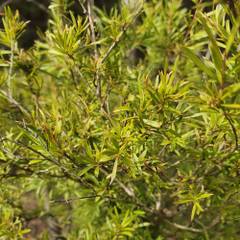
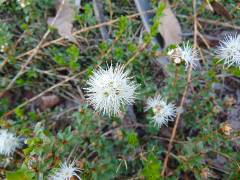
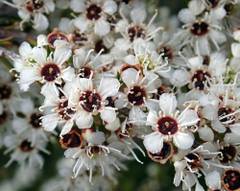
Kunzea capitata is an evergreen shrub in the family Myrtaceae, growing 1.5-5 feet (0.5-1.5 m) tall with an erect, open to bushy habit and slender stems. The leaves are small, narrow to oblong, 0.1-0.4 inch (3-10 mm) long, crowded along the stems and aromatic when crushed. Pink to mauve flowers are packed into rounded terminal heads about 0.6-1 inch (1.5-2.5 cm) across, each flower with five petals and a brush of projecting stamens that gives the head a fluffy outline. Flowering occurs mainly in spring. The flower heads are followed by small woody capsules clustered at the stem tips. Growth is moderate, and plants form an open framework that can be kept compact by pruning. The species grows in heath and open woodland on sandy and sandstone-derived soils with sharp drainage. It is short-lived in cultivation, often persisting several years, and declines in heavy, wet, or shaded sites.
Native Range
Native to eastern Australia, mainly in New South Wales, with scattered occurrences in Queensland and Victoria. Grows in heathland and dry open woodland on sandy and sandstone soils, often on exposed ridges and plateaus.Suggested Uses
Planted in native heath and cottage gardens, low informal hedges, and rockeries at 2-3 foot (0.6-0.9 m) spacing. Suited to sandy, free-draining and coastal sites. Grows in containers of at least 8 gallons (30 L) with a gritty, low-phosphorus mix.How to Identify
Appearance
Size & Dimensions
Height1'6" - 5'
Width/Spread2' - 4'
Bloom Information
Flowers mainly in spring (September to November in its native range), with rounded pink to mauve heads massed at the branch tips. Flowering is heaviest in open, sunny positions. Scattered flowers may appear at other times in mild conditions.
Detailed Descriptions
Flower Description
Pink to mauveFoliage Description
GreenGrowing Conditions
Sun Requirements
Requires 6-10 hours of direct sunlight daily
• Full Sun: 6+ hours of direct sunlight
• Partial Shade: 3-6 hours of direct sunlight
• Full Shade: Less than 3 hours of direct sunlight
Care & Maintenance
Care Guide
Water through the first season to establish, then reduce watering, as the species tolerates dry periods on sharply drained soils. Plants need full sun to light shade and sandy or gravelly soils, and decline in heavy, wet ground. The roots are sensitive to phosphorus, so low-phosphorus native fertilisers are used where soils are poor. Few pests trouble the species, though damp, still conditions encourage fungal leaf and root problems. Tip-prune after flowering to keep a compact, bushy form. Plants are short-lived and are often replaced after several years.Pruning
Tip-prune lightly after flowering to maintain density and a compact shape, removing up to one-third of the new growth. Cutting back into bare old wood often fails to reshoot. Regular light pruning extends the useful life of the plant.Pruning Schedule
Prune: November–December
late springsummer
Container Growing
Suitable for container growing
Minimum container size: 8 gallons