Kalimeris, Genus, spp., Multiple species,
- Genus
- Multiple species
Japanese aster
Overview
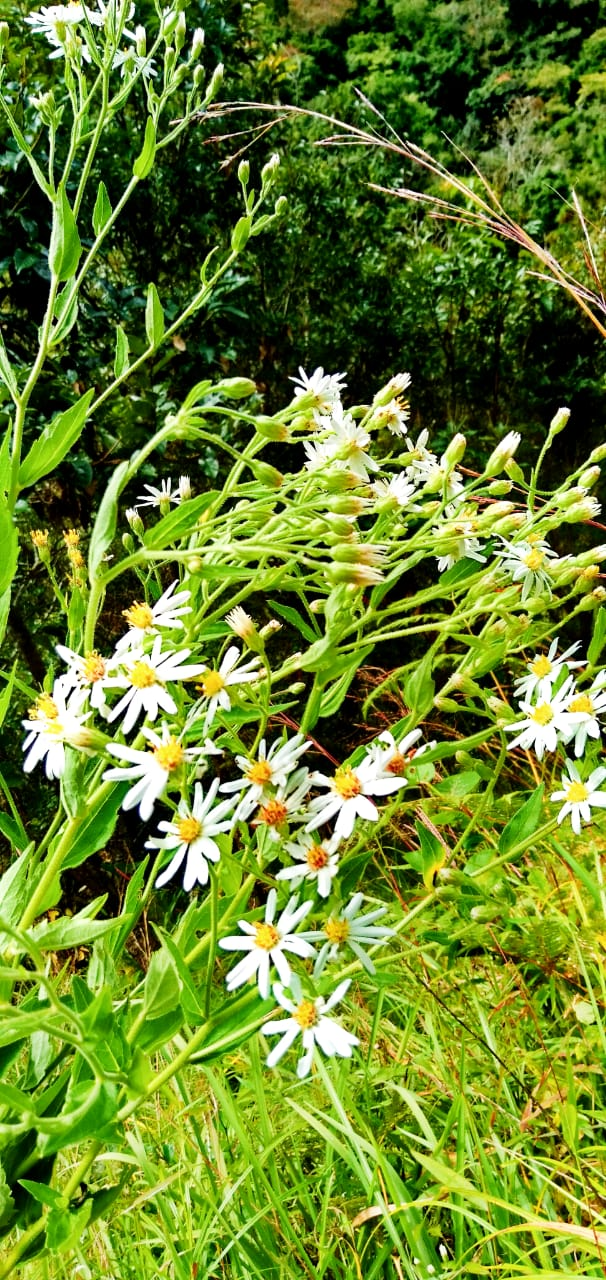
Kalimeris is a genus of about 10 herbaceous perennials in the daisy family (Asteraceae), native to eastern Asia. The plants form upright, bushy clumps 1-3 feet (30-90 cm) tall and 1-2 feet (30-60 cm) wide, with slender, branching stems and small, narrow to lobed leaves. From early summer into autumn they carry many small daisy flowers about 0.75-1.5 inches (2-4 cm) across, each with white to pale lavender or blue ray petals around a yellow center; the double form K. pinnatifida 'Hortensis' bears fuller white flowers. The bloom continues over a long season with little deadheading. In the wild the genus grows in grassland, open woodland, and along stream margins, and most species tolerate a range of soils and some drought once established. Plants spread slowly by rhizomes to form colonies without becoming invasive. The genus needs full sun to part shade and average, well-drained soil; growth becomes loose and shy-flowering in deep shade. The small flowers and airy habit suit massed and naturalistic plantings.
Native Range
Kalimeris is native to eastern Asia, including China, Japan, Korea, and eastern Russia. Plants grow in grassland, open woodland, forest margins, and along streams.Suggested Uses
Kalimeris is grown in borders, cottage and wildlife gardens, and massed or naturalistic plantings, where the small daisies draw bees and butterflies over a long season. Its tidy clumps suit the middle of a border and combine with grasses and other perennials.How to Identify
Appearance
Size & Dimensions
Height1' - 3'
Width/Spread1' - 2'
Bloom Information
Detailed Descriptions
Flower Description
white to pale lavender with yellow centerFoliage Description
greenGrowing Conditions
Sun Requirements
Requires 5-10 hours of direct sunlight daily
• Full Sun: 6+ hours of direct sunlight
• Partial Shade: 3-6 hours of direct sunlight
• Full Shade: Less than 3 hours of direct sunlight
Care & Maintenance
Care Guide
Grow Kalimeris in full sun to part shade on average, well-drained soil; it adapts to clay or sandy ground and tolerates heat, humidity, and short dry spells once established. Water during extended drought to keep flowering steady. The clumps stay tidy and rarely need staking, though plants in rich soil or shade grow looser. Cut stems to the ground in late autumn or early spring. Divide clumps every few years in spring to maintain vigor. The genus is hardy to about USDA zone 4 and needs no winter protection.Pruning
Kalimeris needs little pruning. Cut the stems back in late autumn or early spring, and shear lightly in early summer for a more compact habit if wanted. Deadheading is not required for continued bloom.Container Growing
Suitable for container growing
Minimum container size: 2 gallons