Hemerocallis, Genus, 'Jolyene Nichole', Cultivar,
- Genus
- Cultivar
Jolyene Nichole daylily
Cultivar of genus native to East Asia (China, Japan, Korea)
Overview
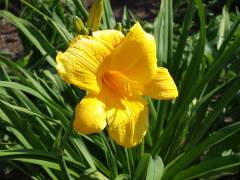
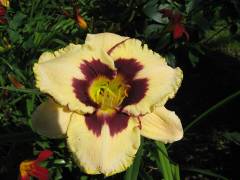
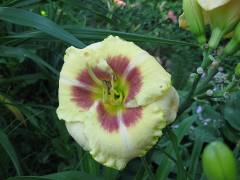
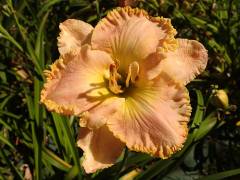
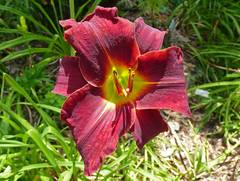
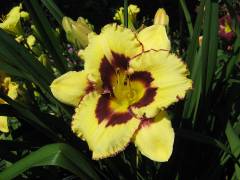
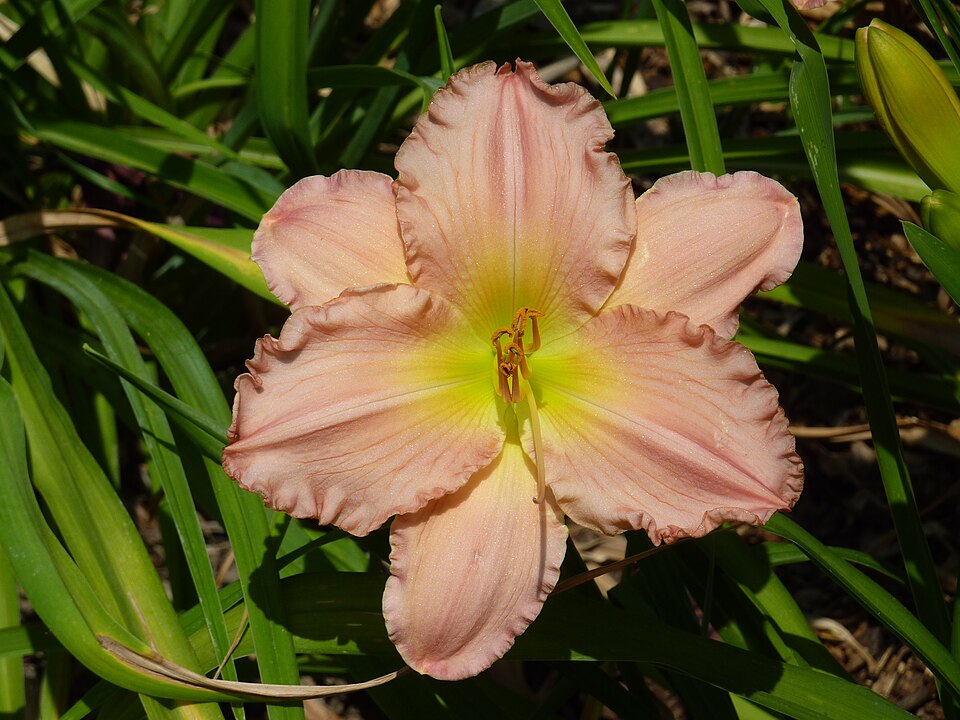
Hemerocallis 'Jolyene Nichole' is a clump-forming herbaceous perennial reaching 18-24 inches (45-60 cm) tall in flower with a basal foliage clump 12-15 inches (30-38 cm) tall and 18-24 inches (45-60 cm) wide. Foliage strap-shaped, 12-15 inches (30-38 cm) long and 0.5-0.75 inch (1.3-2 cm) wide, medium green, arching slightly. Flower scapes 18-24 inches (45-60 cm) tall bear 8-12 buds per scape; 1-3 flowers open per scape per day. Individual flowers 5-5.5 inches (13-14 cm) across, trumpet-shaped, rose-pink with a darker pink halo and yellow-green throat; petal edges slightly ruffled. Plants are reblooming, with primary bloom in early-to-mid June in zones 5-7 followed by a secondary flush in August-September. Total flowering period extends 8-10 weeks across both flushes. Plants establish a 12-15 inch (30-38 cm) clump within 2 seasons. Foliage holds green through summer and yellows after first hard frost. Daylilies are susceptible to daylily rust (Puccinia hemerocallidis) in southern states; the rust is cosmetic in northern zones where winter cold breaks the disease cycle. Crowns rot in poorly drained winter soils.
Native Range
Daylilies in the genus Hemerocallis are native to East Asia, with species ranging from China, Japan, Korea, and the Russian Far East at 0-9,000 feet (0-2,700 m) elevation. 'Jolyene Nichole' is a hybrid cultivar registered with the American Daylily Society in 1984 by hybridizer W.L. Sellers; parentage involves multiple modern hybrid daylilies.Suggested Uses
Used in mixed perennial borders at 18-24 inch (45-60 cm) spacing, mass plantings along walkways, and pollinator gardens. Massed plantings of 9-15 plants form a continuous flowering band during peak bloom. Containers of at least 5 gallons (19 L) accommodate single plants for 2-3 seasons before in-ground transplanting is needed.How to Identify
Appearance
Size & Dimensions
Height1'6" - 2'
Width/Spread1'6" - 2'
Bloom Information
Primary bloom in early-to-mid June in zones 5-7, with peak lasting 3-4 weeks. A secondary rebloom flush occurs in August-September in zones 5-9 if scapes are removed after the primary bloom. Bloom may begin in late May in zones 8-9 with extended flowering into October. Individual flowers last one day; total bloom across primary and secondary flushes extends 8-10 weeks.
Detailed Descriptions
Flower Description
rose-pink with yellow-green throatFoliage Description
medium greenGrowing Conditions
Sun Requirements
Requires 6-8 hours of direct sunlight daily
• Full Sun: 6+ hours of direct sunlight
• Partial Shade: 3-6 hours of direct sunlight
• Full Shade: Less than 3 hours of direct sunlight
Care & Maintenance
Care Guide
Water weekly during the first growing season in the absence of rain. Established plants tolerate drought, but flower size and rebloom frequency decrease in dry summers. Daylily rust (Puccinia hemerocallidis) appears as orange pustules on lower leaf surfaces in zones 7-10 from late summer onward; severe infection causes premature defoliation. Hemerocallis gall midge larvae deform unopened flower buds in the Pacific Northwest. Crowns rot in heavy clay soils with poor winter drainage. Divide every 4-5 years in late summer or early spring to maintain bloom; clumps decline in vigor when crowded.Pruning
Cut spent scapes at the base after primary bloom to encourage rebloom. Remove yellowing or damaged foliage individually during the growing season. Cut all foliage to 3 inches (8 cm) above ground in late autumn or in early spring before new growth emerges.Pruning Schedule
Prune: March, June–July & November
fallearly springsummer
Container Growing
Suitable for container growing
Minimum container size: 5 gallons