Hemerocallis, Genus, ×, Hybrid, 'Happy Returns', Cultivar,
- Genus
- Hybrid
- Cultivar
happy returns daylily
Genus Hemerocallis native to East Asia (China, Japan, Korea); 'Happy Returns' is a garden hybrid bred by Darrel Apps and registered with the American Hemerocallis Society in 1986; commercially grown across temperate North America, Europe, Australia, and New Zealand
Overview
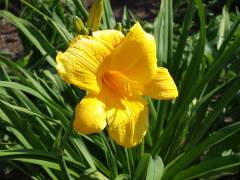
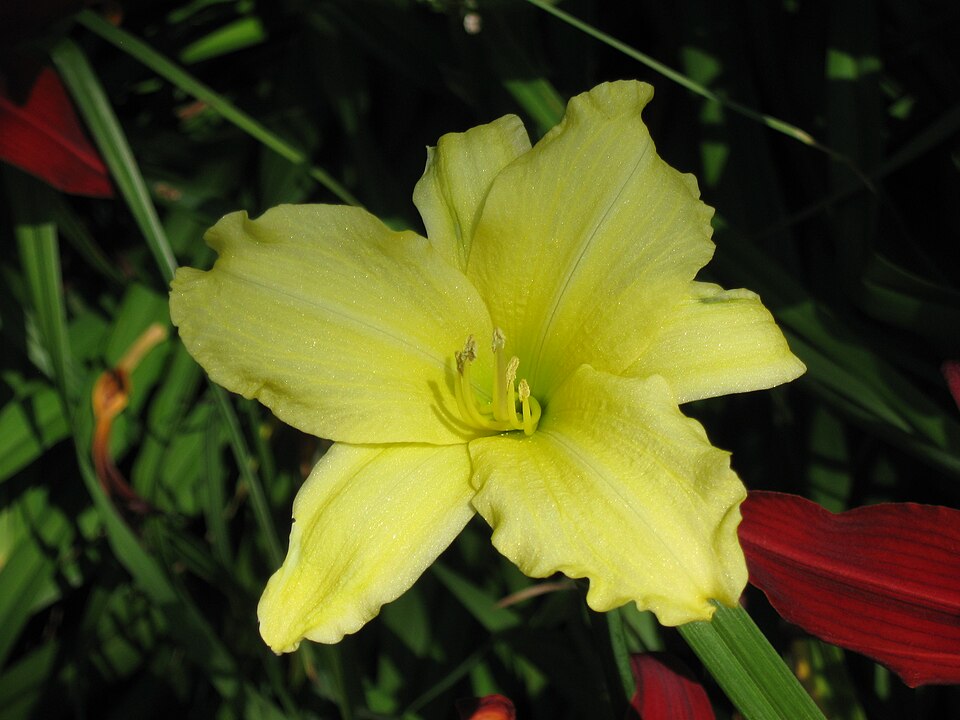
Hemerocallis × 'Happy Returns' is a compact reblooming daylily in the Asphodelaceae family reaching 15–18 inches (38–45 cm) tall and 18–24 inches (45–60 cm) wide. Soft lemon-yellow trumpet-shaped flowers 3.5 inches (9 cm) across appear from June through September across a 14+ week reblooming season — a longer continuous bloom window than most daylily cultivars (typical daylilies bloom 2–4 weeks; Stella de Oro and Happy Returns sit at the upper end of the range at 14+ weeks). Each individual flower lasts one day (the genus name Hemerocallis translates as 'beauty for a day'), but each scape carries multiple buds that open in succession, and the reblooming habit produces new scapes continuously through the growing season. 'Happy Returns' is a child of the famous 'Stella de Oro', sharing the parent's reblooming habit and compact stature while carrying a softer lighter lemon-yellow color (Stella runs deeper gold). The lighter color integrates more easily with pastel garden schemes than the saturated gold of Stella. A light sweet fragrance is present, especially in the evening when the flowers are still open. Medium green strap-shaped arching leaves form a fountain-like foliage mound. The compact size suits front-of-border positions and large containers. Daylilies tolerate clay, sand, heat, drought, and a range of light from full sun to partial shade — though flower count runs highest in full sun. Deer eat daylily foliage; in deer-heavy areas, protection is needed. All Hemerocallis species are toxic to cats and can cause kidney failure if ingested; the cultivar runs unsuitable for households where cats access garden plants.
Native Range
Hemerocallis species are native to East Asia (China, Japan, Korea), where wild populations of the genus occur in moist meadows, streamside habitats, and forest edges across temperate East Asian climates. The 'Happy Returns' cultivar is a garden hybrid bred by Darrel Apps and registered with the American Hemerocallis Society in 1986; the cultivar is grown commercially across temperate North America, Europe, Australia, and New Zealand for the long-blooming compact daylily market.Suggested Uses
Used at the front of borders, along walkways, in mass plantings, and in containers of 5 gallons (19 liters) or more. The continuous lemon-yellow bloom fills the summer-to-fall flower gap across June through September. The compact fountain-like habit runs neat and self-contained, suiting positions where standard daylily clumps would dominate. Mass plantings at 18-inch (45 cm) spacing create a solid flowering ground cover in commercial landscape and large residential plantings. Pairs well with blue-flowered companions (Salvia 'May Night', Veronica spicata) and with ornamental grasses (Pennisetum alopecuroides, Schizachyrium scoparium) for long-season interest. Keep planted away from cat-accessible areas due to the kidney-failure toxicity to cats from any plant part.How to Identify
Appearance
Size & Dimensions
Height1'3" - 1'6"
Width/Spread1'6" - 2'
Bloom Information
Flowering from June through September across approximately 14+ weeks with continuous reblooming. Each flower lasts one day; new buds and scapes replace them continuously across the season. The reblooming habit is genetic and does not require deadheading to maintain — the cultivar produces successive scapes from the basal crown across the entire bloom window. The reblooming behavior runs longer than the 2–4 week single-flush bloom of most daylily cultivars; only a small group of selected reblooming cultivars (Stella de Oro, Happy Returns, Pardon Me, Black-Eyed Stella) produces this 14+ week continuous display.
Detailed Descriptions
Flower Description
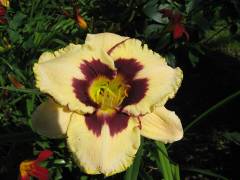
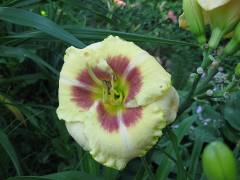
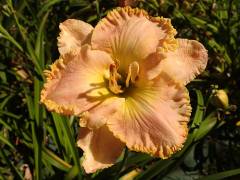
Soft lemon-yellow; trumpet-shaped 3.5 inches acrossFoliage Description
Medium green; strap-shaped arching leaves forming a fountain-like foliage moundGrowing Conditions
Sun Requirements
Requires 5-12 hours of direct sunlight daily
• Full Sun: 6+ hours of direct sunlight
• Partial Shade: 3-6 hours of direct sunlight
• Full Shade: Less than 3 hours of direct sunlight
Care & Maintenance
Care Guide
Plant in full sun to partial shade with 5–10 hours of light — flower count rises with increasing direct sun exposure. Average well-drained soil of any type suits the cultivar; clay, sand, and loam are all tolerated. Water during establishment in the first growing season; drought-tolerant once rooted. Snap off spent individual flowers daily for a tidy appearance, though daily deadheading is cosmetic rather than essential for continued bloom (the reblooming habit is genetic). Remove spent scapes at the base after all buds on the scape have opened. Divide clumps every 3–4 years when flowering decreases and the central crown becomes congested. All daylilies are toxic to cats and can cause kidney failure if ingested — keep planting locations away from areas where cats access garden plants.Pruning
Snap off individual spent flowers daily for tidy appearance (cosmetic — the reblooming habit is genetic and does not require deadheading). Remove entire spent scapes at the base after all buds on the scape have opened. Cut all foliage to ground level in late fall after frost browns it, or in early spring before new growth emerges. Divide clumps every 3–4 years to maintain vigor and flowering.Pruning Schedule
Prune: March & November
fallspring
Container Growing
Suitable for container growing
Minimum container size: 5 gallons